Zahid Torres-Rahman

Malnutrition is a business issue. The link between malnutrition and poverty might be an obvious one. The links between malnutrition and business are perhaps less so. During this conversation we are going to deep dive into both, whilst looking at the intersections between nutrition, climate change, conflict and communicable disease.
icon-content-podcast-grey
Lately, ESG is mostly in the news for the wrong reasons. Reading certain articles, it can seem as though some companies are happy to reap the benefits of seeming good, while shifting expenses (e.g., pollution) onto society. However, a lot of the negative coverage references ESG in its role as a guidance for investors (i.e., ESG for Assurance), despite the fact that ESG has evolved into an “organisational moral compass and set of principles.” Another facet of ESG – ESG for Impact, is more relevant to solving today’s greatest social challenges.
icon-content-article-grey
In a new report from the Farmer Income Lab and Business Fights Poverty, we provide more information about Farmer segmentation and how procuring companies and smallholder farmers can benefit from a segmentation approach.
icon-content-article-grey
The insights in the Nudges and Bridges series aim to help everyone, including business people, understand how they can contribute to peace. Of course, friendship is its own bridge with others, but could one be friends with someone who is your opposite? With whom you disagree on just about everything? With someone on “the other side?” The answer is yes and that’s what this video is about.
icon-content-article-grey
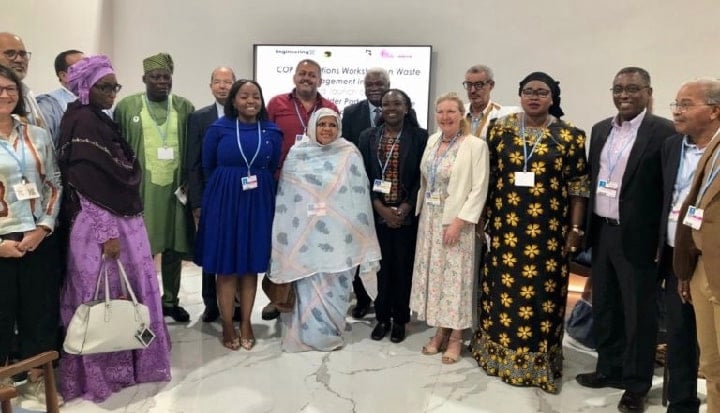
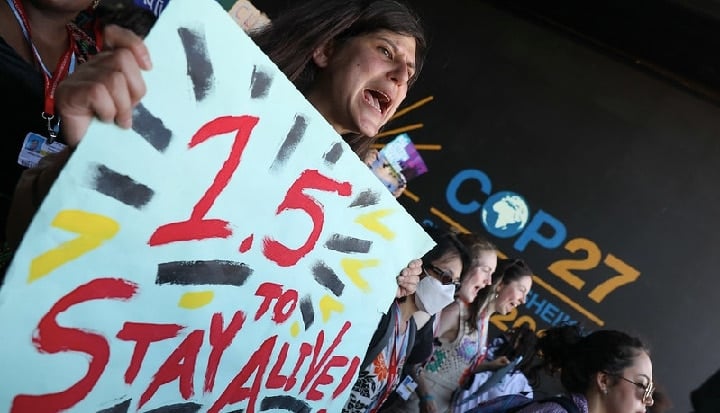
For two weeks in November colleagues from Practical Action have been in Sharm El-Sheikh at the UN climate change conference, COP27. We were there to ensure that the voices of the people we work with in some of the world’s most climate vulnerable places were heard as global leaders took decisions about their futures.
icon-content-article-grey
What do the World Food Programme, BASF, Royal DSM and Nigeria Flour Mills have in common? They all recognize the key role of small-scale and medium-sized millers to bring food fortification to scale, as part of national strategies to combat malnutrition.
icon-content-article-grey
Businesses give billions to nonprofits every year, but are they helping or hurting? We look at some of the pitfalls of traditional tied funding approaches, and introduce businesses to the concept of unrestricted funding as a way to support nonprofits to achieve real impact.
icon-content-article-grey
Is it even possible to work in deeper, genuine partnership with suppliers on net zero alongside a parallel commercial relationship? Jenny Ekelund sees encouraging signs that it is, and shares three primary scope 3 partnership models that are emerging.
icon-content-article-grey
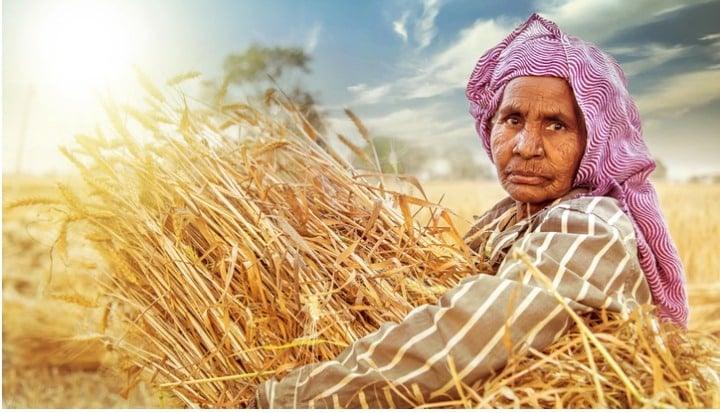
The world’s smallholder farmers and agricultural workers are ready, willing, and able to help confront climate change where it matters most, protecting their communities, preserving their livelihoods, and safeguarding our planet’s food supply. Nevertheless, the question remains: are our leaders willing to let them?
icon-content-article-grey
If you want to know simply what Climate Justice is and why your business should start caring and promoting climate action, you’ve come to the right place. But don’t miss a moment, cause the #ClockisTicking.
icon-content-podcast-grey
Companies in the richest countries have still not agreed to climate measures that are in line with staying below 1.5 degrees. Danielle Smith and Hilde Stroot welcome new guidance from a UN panel, released at COP27, to push action by firms on corporate net-zero plans – and set out five key ways in which its recommendations will lead to climate justice.
icon-content-article-grey
Palm oil and climate justice – what is the story? Social impact pioneer, Anita Neville, helps us unpack this complex topic. This podcast forms part of a series – examining how business addresses climate justice.
icon-content-podcast-grey
How do climate conferences work? Hear from social impact pioneer Obed Koringo, part of the CARE delegation at COP27 in Sharm el-Sheikh, Egypt. Obed shares how governments, negotiators, civil society, businesses and other stakeholders all work together to help move along global climate commitments and drive actions towards better climate outcomes for all.
icon-content-podcast-grey
As Egypt readies itself to host COP27 and the UAE for COP28, Adithya Subramoni argues that the MENA region must recognise the social dimension in action on climate, emphasise affordability and accessibility in the drive towards renewables, and seize the potential for the transition to create a large number of good jobs.
icon-content-article-grey
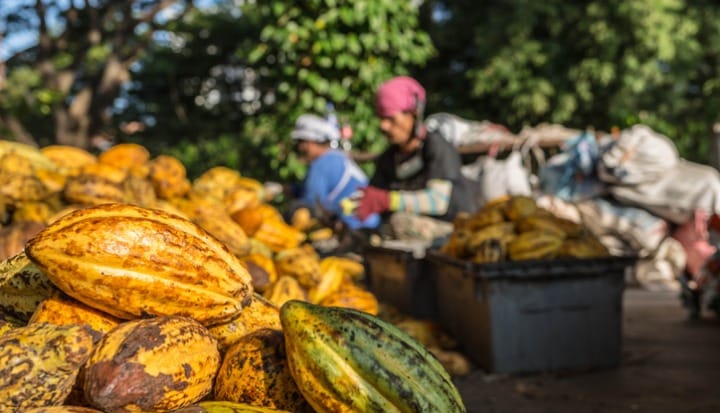
We’ve heard many pledges by businesses and governments to go further, create real and lasting change in cocoa supply chains, and ensure a better future for farming communities and our climate. However, turning those promises into action remains a challenge.
icon-content-article-grey
How can fairtrade help create climate justice? This podcast forms part of a series – examining how business addresses climate justice. Together we hear ways companies can put people at the heart of their climate action. We record this podcast from the climate conference – COP27, in Sharm el-Sheikh, Egypt.
icon-content-podcast-grey
The climate challenge is encouraging us to work together in meaningful ways, yet the path to climate justice globally requires us to go one step further, combining net zero and poverty zero goals.
icon-content-article-grey
How can regenerative farming create climate justice? This podcast forms part of a series – examining how business addresses climate justice. Together we hear how business puts people at the heart of the climate action. And in particular this podcast looks at food security, regenerative farming and climate resilience
icon-content-podcast-grey
This interactive online event brought people together from around the world to share insights on key trends, challenges and opportunities for the year ahead.
event-grey
Living at the forefront of the climate crisis, farmers and workers in low-income countries are uniquely positioned to address climate challenges. Yet with many struggling to earn a living income or wage, they often lack the resources to turn their informed thinking on climate adaptation and mitigation into action.
icon-content-article-grey