Livelihoods and Jobs

Creating Employment & Jobs to Fight Poverty

Women farmers are central to fixing broken food systems, yet they remain excluded from the technologies, financing and markets needed to scale solutions. New research from CARE shows that reducing food loss and waste requires gender-responsive design, investment and partnerships. Empowering women farmers can strengthen food security, resilience and climate outcomes globally.
icon-content-article-grey
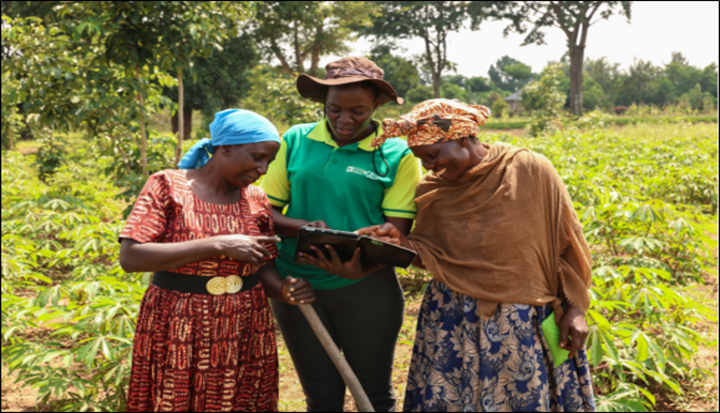
Scaling digital advisory services (DAS) for smallholder farmers requires more than technology. AgriPath shows that sustainable growth depends on combining user-centred design with enabling ecosystems, viable business models and trusted community-based agents. By bridging innovation and scale, DAS can improve productivity, incomes and climate resilience across agricultural systems.
icon-content-article-grey
Sustainability systems must move beyond audits to meaningful engagement with small-scale producers. New guidance from ISEAL highlights how collaborative, participatory approaches can uncover root causes, strengthen resilience and improve outcomes. By recognising producers as partners and knowledge holders, businesses can build more effective, credible and regulation-ready supply chains.
icon-content-article-grey
As climate and nature commitments grow, many fail to deliver due to poor integration with social and economic realities. This article introduces “Landscape by Design,” a people-centred, place-based approach that aligns climate, nature and livelihoods. By co-creating strategies with local stakeholders, businesses can drive more resilient, inclusive and measurable sustainability outcomes.
icon-content-article-grey
Meet Social Impact Pioneer, Fernanda Facchini. She is part of the team at Natura, the Brazilian multinational cosmetics company, who are pioneering sustainable and ethical beauty products while driving regenerative practices in the Amazon rainforest. This conversation deep dives into what it takes for a commercial business to deliver social and environmental impact from its heart.
icon-content-podcast-grey
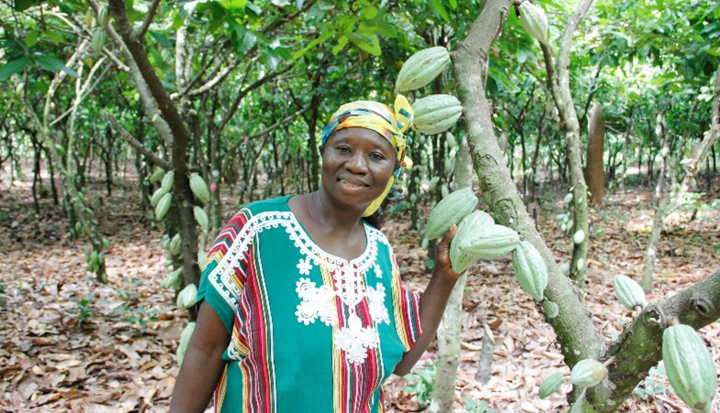
Supply chain resilience begins at the household level. Drawing lessons from the cocoa sector in West Africa, this article explores how strengthening women’s financial inclusion, decision-making power and access to savings groups can stabilise farming families and reduce risks across global supply chains. When households become more resilient, companies gain stronger, more reliable and sustainable supply systems.
icon-content-article-grey
Listen in to this podcast episode to hear from Social Impact Pioneer Marike Runneboom de Peña, Interim CEO of Fairtrade International, about why this moment is a turning point for fair trade and global supply chains.
icon-content-podcast-grey
Forced labour in supply chains is no longer just an ethical issue, it is a growing competitiveness challenge for UK businesses. As global regulations tighten, responsible sourcing is becoming essential for market access, resilience and investor confidence. Stronger frameworks can protect workers, level the playing field and position the UK to lead in sustainable, high-integrity global trade.
icon-content-article-grey
How can companies strengthen livelihoods through their value chains? As businesses face rising pressure to deliver fairer and more resilient value chains, livelihoods can
insights-icon
How are current social and environmental challenges disrupting livelihoods? As climate change, AI, demographic shifts and displacement reshape labour markets, the challenge is not
insights-icon
Watch this Workshop on how companies can strengthen livelihoods through their value chains, including suppliers, distributors and employees. Through an interview-style panel and table
icon-content-video-grey
Watch this Workshop which explores the biggest disruptive forces reshaping livelihoods, including AI and climate change. Take a deeper look at the impacts on
icon-content-video-grey
AI is helping women entrepreneurs save time, but not yet unlock the full growth potential of their businesses. Drawing on research across 3,000 women entrepreneurs in 66 countries, this article explores why AI adoption remains concentrated in marketing and communications, and what targeted action is needed to turn AI from a helpful tool into a genuine driver of resilience, productivity and growth.
icon-content-article-grey
Despite growing commitments to gender equality, many supply chain programmes struggle to deliver real outcomes for women. This article argues the problem is not motivation but design. By rethinking how gender initiatives are structured—embedding context, capability, and evidence from the start—companies can move beyond participation metrics and create meaningful, lasting change in global supply chains.
icon-content-article-grey
In this episode, three Social Impact Leaders: Sofia Ribas, Anna Olivia Spenner Hernández, and Yvette Torres-Rahman, share insights from their groundbreaking research into Ibiza’s housing crisis and explore practical solutions to make living on the island viable year-round.
icon-content-podcast-grey
How to bring business talent development and social impact to get the best outcomes. Social Impact Pioneer Banalata Sen, Global Head of GoTeach at DHL Group shares her wisdom.
icon-content-podcast-grey
As world leaders endorse the Belém Declaration on people-centred climate action, one truth is clear: farmer resilience must move from rhetoric to investment. This article explores why smallholder farmers receive less than 1% of climate finance, and how local agricultural enterprises offer the fastest, most scalable route to climate-resilient supply chains and global food security.
icon-content-article-grey
Global retailer Primark is pioneering responsible purchasing practices across its supply chain by adopting itemised costing methodologies, embedding cross-functional training and collaborating with suppliers. This case study explores how the retailer aligned buying, merchandising and ethical trade functions, leveraging the Ethical Trading Initiative Learning & Implementation Community to support living wages and sustainable conditions for workers worldwide.
icon-content-article-grey
Hear from Social Impact Pioneers: Anna Kilpatrick, Chief Strategy and Impact Officer at PUR, whose agroforestry projects help global companies decarbonise agricultural supply chains while improving smallholder incomes. Ann Vaughan, Associate Vice President for Resilient Futures at CARE, leading work to unlock climate finance that reaches 25 million people, especially women and girls. Olaf Westermann, Senior Technical Advisor on Climate Change and Agriculture at CRS, connecting conservation, livelihoods, and equity in nature-based carbon projects worldwide. And Lilian Gwazayo, Field Advisor, & Environmental Scientist, CARE, Malawi.

icon-content-podcast-grey
At this year’s Business Fights Poverty Global Goals Summit, a number of sessions turned their attention to the launch of our new Five Bridges to 2045: How Business Can Build a Fairer, More Resilient Future. Eighteen experts from our global network took part in online sessions and an in-person event hosted with Barclays in New York, where representatives from Ikea, Natura, Vodafone Foundation, ABF Sugar and Fundación Paraguaya shared their perspectives on how to bring the report’s vision of embedding social impact and sustainability into core business closer to reality.
icon-content-article-grey

What do we mean by "Livelihoods and Jobs"?

Discover how job creation is a pivotal strategy in the global fight against poverty. Promoting employment opportunities fosters economic stability and growth.

Sub-topics within this category