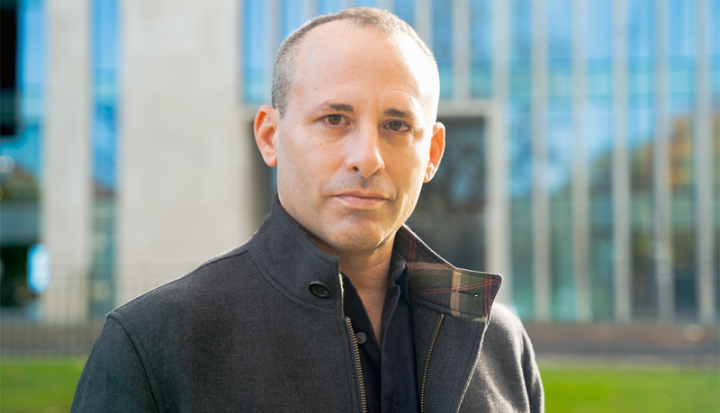
Zahid Torres-Rahman

As world leaders gathered for the COP30 Climate Summit in Belém, Brazil, Business Fights Poverty and Fundação Dom Cabral (FDC) explored how businesses can put people
event-grey
As expectations rise and regulatory demands grow, businesses must strengthen their ability to manage social impact. This article outlines three key priorities for companies: addressing core worker concerns like wages and job security, using social data to inform decision-making, and building relationships across systems to tackle complex issues like forced labour and living wage.
icon-content-article-grey
As we mark International Women’s Day 2025, the Work and Opportunities for Women (WOW) programme comes to a close after seven years of advancing women’s economic empowerment in global supply chains. Working across 12 countries, WOW has helped improve job access, working conditions, and financial independence while tackling broader issues like unpaid care, gender-based violence, and climate resilience. Its legacy highlights the ongoing challenges and opportunities in creating fairer, more inclusive economies.
icon-content-article-grey
Despite progress, gender equality remains a complex challenge, further complicated by political and cultural pushback. The Partnership Collective advocates for an equity-driven approach, introducing the Fairness and Opportunity Framework to transform global value chains. By fostering inclusive participation, collective action, and accountability, businesses can create fairer, more sustainable systems that benefit all stakeholders.
icon-content-article-grey
Social Impact Pioneers Megan Spurgeon and Scott C. Miller talk economic empowerment, workforce development and overcoming poverty in the U.S
icon-content-podcast-grey
Social Impact Pioneer Christina Mawuse Gyisun, Co-Founder of Sommalife, joins us to talk about the shea industry in West Africa and how she and her team are increasing market access, and securing the future of an industry, by better supporting female smallholder farmers.
icon-content-podcast-grey
As a Ugandan beneficiary of aid, Keith Kibirango highlights how USAID’s funding freeze exposes the flaws in traditional aid models, leaving communities vulnerable and disillusioned. This crisis calls for new, sustainable partnerships that prioritize direct impact and local leadership. The Global South must take charge of its development and funding future.
icon-content-article-grey
The backlash against diversity, equity, and inclusion (DEI) is intensifying, with political and corporate shifts challenging its future. However, DEI remains essential for fairness, business success, and innovation. This article explores strategies for navigating the debate, balancing meritocracy with inclusion, and ensuring workplaces remain diverse, equitable, and open to all.

icon-content-article-grey
Building a fairer, more resilient world by 2045 requires businesses to bridge the gap between social impact and core operations. This article outlines five critical bridges—from breaking silos between environmental and social issues to strengthening collaboration across sectors—that will help companies align priorities, drive innovation, and create lasting impact for both business and society.
icon-content-article-grey
Werner Wallner, Hilti Foundation; Amalia Johnsson, Hand in Hand International; and Payal Dalal, Mastercard Center for Inclusive Growth. Listen in to explore how microentrepreneurs can be the catalyst for economic growth, the systemic shifts needed to empower them, and the emerging trends shaping their future.
icon-content-podcast-grey
Access to safe water, sanitation, and hygiene (WASH) remains a major challenge for billions. Small and medium enterprises (SMEs) play a critical role in filling this gap, but their impact can be enhanced through behaviour change strategies. By leveraging local trust, targeted communication, and data-driven insights, SMEs can drive healthier communities while growing sustainable businesses.
icon-content-article-grey
A new Toolkit, published by the UK Foreign, Commonwealth and Development Office’s (FCDO) Work and Opportunities for Women (WOW) programme, provides guidance for multinational companies on boosting the resilience of their supply chains in low-and middle-income countries by investing in women. Integrating gender equity into ESG strategies can help to meet evolving human rights and environmental due diligence requirements, improving risk management while unlocking productivity, innovation, and brand value.
icon-content-article-grey
Social Impact Pioneer, Peter Buturo explains how social work strengthens communities, combats poverty, and champions justice.
icon-content-podcast-grey
Garment workers, particularly women, face growing risks from climate extremes, threatening their health, wages, and livelihoods. A climate-responsive worker insurance program—funded by fashion brands, suppliers, and governments—could provide crucial protections, ensuring financial security and resilience. As climate risks intensify, the fashion industry must prioritize worker-centered solutions for a just transition and sustainable supply chains.
icon-content-article-grey
As we enter 2025, the impacts of climate change are ever more prominent everywhere we look – especially for smallholder farmers. While there are no easy fixes to the climate challenges we face, there are solutions. This blog explores innovative business approaches to draw down CO2 and create new economic opportunities in areas of poverty.
icon-content-article-grey
Gilad Tanay of the ERI Institute explains how to measure impact for business, unified impact measurement scales & impact per dollar.
icon-content-podcast-grey
Climate change and biodiversity loss are deeply interconnected crises driven by unsustainable development. Aligning global goals from COP16 and COP29 presents a critical opportunity to tackle these issues together. Practical Action advocates for funding frontline communities, empowering Indigenous leadership, and adopting integrated solutions to protect ecosystems, combat climate impacts, and build a sustainable future for people and the planet
icon-content-article-grey
As 2025 begins, businesses must shift from strategy to action on sustainability, resilience, and social impact. With support from Business Fights Poverty Institute Fellows, this article outlines five key priorities, including reimagining resilience, scaling regenerative solutions, aligning social and environmental goals, advancing living wages, and leveraging collaboration as a competitive edge. The year ahead offers a critical opportunity to drive meaningful, systemic change.
icon-content-article-grey
Antoinette Marie, Director of Heifer Labs, and Sander de Jong, Managing Director of Fairfood talk blockchain, supplychains and food.
icon-content-podcast-grey
Social Impact Pioneers Taryn Davis of Cargill & Chris Noble of CARE talk business and social good through transformative partnerships.
icon-content-podcast-grey