Health

Health Solutions for Poverty Reduction

Dignity is more than compassion, it is a business strategy. Drawing on experiences in Haiti and healthcare, this article explores how designing for human dignity improves trust, engagement and outcomes. From patient care to workforce participation, organisations that prioritise the human experience can strengthen retention, reduce inequality and create more resilient, impactful systems.
icon-content-article-grey
Women farmers are central to fixing broken food systems, yet they remain excluded from the technologies, financing and markets needed to scale solutions. New research from CARE shows that reducing food loss and waste requires gender-responsive design, investment and partnerships. Empowering women farmers can strengthen food security, resilience and climate outcomes globally.
icon-content-article-grey
At a time when the world feels increasingly unpredictable, and the path forward isn’t always clear, we’re joined by Ashley Jablow whose work helps people and organisations reimagine what’s possible during moments of transition, challenge and growth.
icon-content-podcast-grey
Extreme heat is the deadliest US climate threat, costing thousands of lives and hundreds of billions of dollars annually. A new white paper, Heat Resilience: An Opportunity for Cross-Sector Action in the United States, outlines a shared agenda, sector guidance, and policy and finance levers to drive coordinated, community-centered resilience across business, government and healthcare.
icon-content-article-grey
Agroecology is a powerful pathway to climate-resilient, sustainable food systems. Brenda Huerta of Fairtrade International explores how soil health, biodiversity, and farmer agency are interconnected, highlighting successful examples from banana cooperatives in Latin America. As COP30 approaches, she calls for bold investment in agroecology as a foundation for social justice, environmental regeneration, and resilient livelihoods.
icon-content-article-grey
At this year’s Business Fights Poverty Global Goals Summit, a number of sessions turned their attention to the launch of our new Five Bridges to 2045: How Business Can Build a Fairer, More Resilient Future. Eighteen experts from our global network took part in online sessions and an in-person event hosted with Barclays in New York, where representatives from Ikea, Natura, Vodafone Foundation, ABF Sugar and Fundación Paraguaya shared their perspectives on how to bring the report’s vision of embedding social impact and sustainability into core business closer to reality.
icon-content-article-grey
Hybrid healthcare models—combining in-person and digital care—are closing critical gaps in low-income communities. The Swiss Re Foundation’s Entrepreneurs for Resilience 2026 programme is now accepting applications from ventures using this hybrid approach. Selected finalists will receive funding, technical support, and visibility to help scale impact and deliver essential care where it’s needed most.
icon-content-article-grey
Sales agent models have the potential to improve access to goods and services while creating economic opportunity for women and youth. Drawing on work from Rwanda and Mozambique, TechnoServe’s Sophie Duchanoy and Sarah Bove share three key factors in making these approaches work.
icon-content-article-grey
With the impacts of climate change exacerbating health inequalities, how can businesses promote health equity through their climate action? Partnership for Southern Equity relates how it worked directly with healthcare professionals to advance climate and health equity, and introduces four practical steps outlined in the new Centering Health Equity in Climate Action Toolkit for Businesses.
icon-content-article-grey
As a Ugandan beneficiary of aid, Keith Kibirango highlights how USAID’s funding freeze exposes the flaws in traditional aid models, leaving communities vulnerable and disillusioned. This crisis calls for new, sustainable partnerships that prioritize direct impact and local leadership. The Global South must take charge of its development and funding future.
icon-content-article-grey
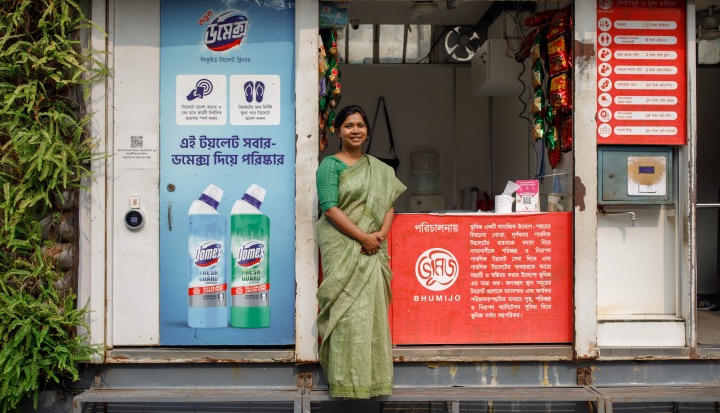
Access to safe water, sanitation, and hygiene (WASH) remains a major challenge for billions. Small and medium enterprises (SMEs) play a critical role in filling this gap, but their impact can be enhanced through behaviour change strategies. By leveraging local trust, targeted communication, and data-driven insights, SMEs can drive healthier communities while growing sustainable businesses.
icon-content-article-grey
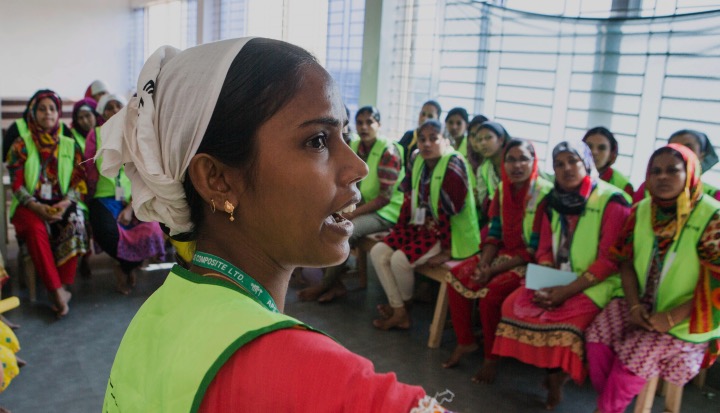
Garment workers, particularly women, face growing risks from climate extremes, threatening their health, wages, and livelihoods. A climate-responsive worker insurance program—funded by fashion brands, suppliers, and governments—could provide crucial protections, ensuring financial security and resilience. As climate risks intensify, the fashion industry must prioritize worker-centered solutions for a just transition and sustainable supply chains.
icon-content-article-grey
Antoinette Marie, Director of Heifer Labs, and Sander de Jong, Managing Director of Fairfood talk blockchain, supplychains and food.
icon-content-podcast-grey
Investing in women’s health and reproductive rights is both smart climate action and good business. With women disproportionately affected by climate stressors—like heat, flooding, and forced migration—companies have a responsibility and a benefit in enhancing their health. Boosting women’s well-being strengthens supply chains, drives productivity, and builds resilience in the face of climate change.
icon-content-article-grey
As the climate COP29 in Baku concludes without much fanfare, understanding what was really going on is more important than ever. Business Fights Poverty Youth Ambassador, Malkia Johns sits down within the COP and speaks with two women’s health activists, Niona Nakuya and Terry Owino.
icon-content-podcast-grey
Delivering timely and effective health care in rural communities presents unique challenges, from limited resources and geographical isolation to cultural barriers and lack of
insights-icon
Watch this Hybrid Workshop with Reckitt on unleashing social innovation to increase access to water and health by leveraging powerful partnerships and overcoming barriers to
icon-content-video-grey
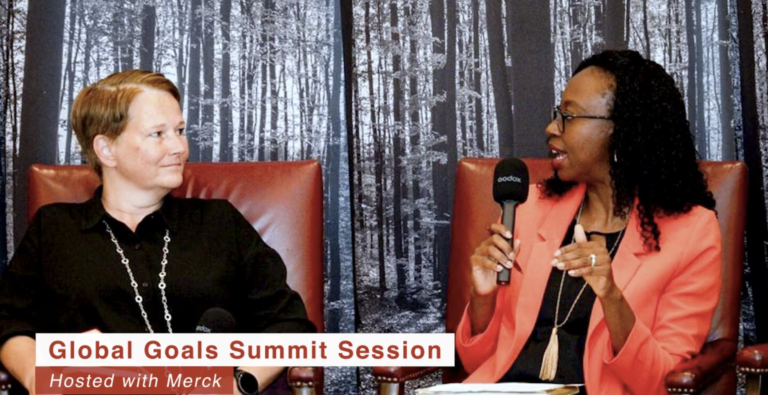
Watch this Fireside Chat with Merck on how innovative multi-stakeholder partnerships centred on the needs of rural communities can lead to transformative and timely healthcare
icon-content-video-grey
The global malnutrition crisis presents a growing challenge, but businesses have a powerful tool at their disposal: plants. By leveraging plant-based innovations, companies can develop sustainable, nutrient-rich solutions that combat food insecurity. Chris Grayson, The Power of Nutrition, shares how harnessing the potential of plants not only addresses malnutrition but also taps into a rising demand for healthier, eco-conscious products.
icon-content-article-grey
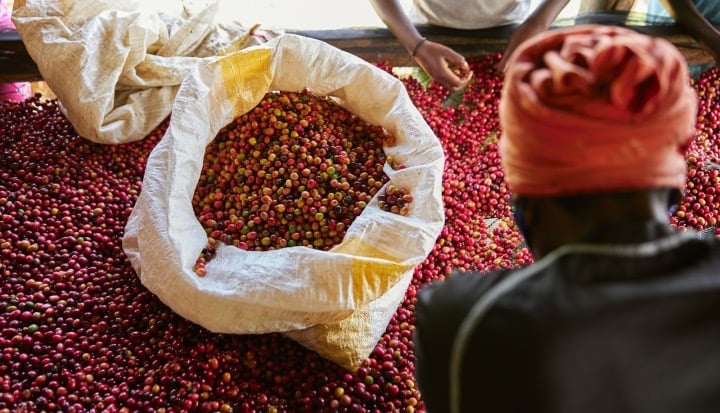
A new report from 60 Decibels reveals insights from 3,000 coffee farmers in Uganda and Rwanda, highlighting the challenges and opportunities within the coffee supply chain. While profitability and financial security remain elusive for many, farmers show resilience and commitment. By prioritizing farmer voices and wellbeing, the coffee industry can foster greater sustainability and equity.
icon-content-article-grey

What do we mean by "Health"?

Learn how health initiatives can combat poverty by improving access to quality care and preventative measures, fostering a healthier society.

Sub-topics within this category