Annabel Beales gives an overview of the five ways to engage with Business Fights Poverty, through convenings, circles, collaborations, collective insights and communications. And as always, find out about our latest published content.
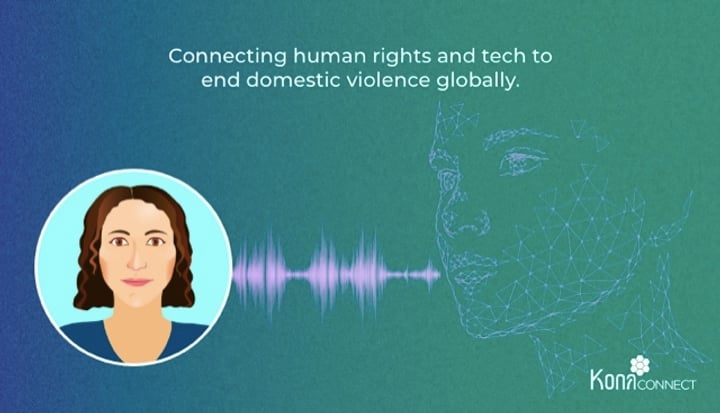
Domestic violence is the hidden plague and it is getting worse. The impact of this violence is far reaching and can have serious consequences for both individuals and businesses alike. To combat this issue, Kona Connect has developed “Sophia”, the world’s first chatbot designed to empower domestic violence survivors globally.
What does it mean to ‘build capacity’ of healthcare workers globally? We know that clinical expertise must be matched with knowledge and appreciation of context – politics, policy, economy, culture.
In our current times, the balance between profit and purpose has never been more tested than during the current global health crisis which we presently face. As much as the pandemic has affected communities, cultures and countries across the world, it has impacted people on a personal level and shifted the perspective on international cooperation, and, of course, how we collaborate.
A catalytic collaboration in Vietnam is stimulating business growth for women entrepreneurs by challenging misconceptions and improving access to finance, networks and critical support services.
The global COVID-19 pandemic has many downsides. One is the elimination of opportunities for young people to get work experience, learn skills on the job and build important relationships with potential and existing work colleagues.
A round-up of recent articles, “how-to” videos and podcasts. Explore key trends that require a robust business response; and find out how business is supporting decent livelihoods and building the resilience of women in supply chains in the face of climate change. And don’t miss Standard Chartered’s Futuremakers Forum in partnership with Business Fights Poverty.
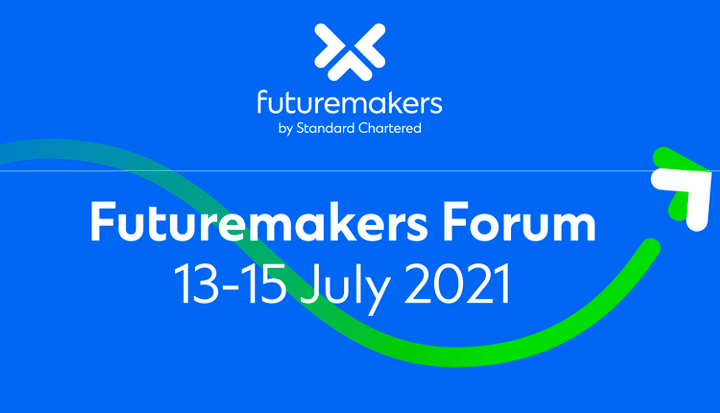
The world of work is changing, and fast. Like most major change, it presents exciting opportunities and deep uncertainties, depending on where you’re standing. So, how do we unleash the potential of young people to succeed in the future world of work? Register to join the conversation, 13-15 July 2021
It was inspiring to witness the extent of our collective energy and expertise at the Business Fights Poverty Global Summit 2021. This five-day event, held from 21-25th June, brought together over 80 speakers with more than 1000 registered participants to celebrate the successes of our members; share insights and lessons learned; and build our resilience.
A report on how wider uptake of ‘self-care’ approaches can reduce pressure on strained health systems, improve vulnerable people’s health outcomes and empower individuals and communities in the process. With Bayer.
A report that identifies ten key elements that were integral to its success, and that provide insights on the way organisations could work together to tackle future crises and challenges. With the Corporate Responsibility Initiative, Harvard Kennedy School, and the UK Aid / Unilever Hygiene and Behaviour Change Coalition.
An action framework on how business can put people at the heart of climate action; recognising the social equity dimensions of climate impacts. With the Corporate Responsibility Initiative, Harvard Kennedy School.
An insights paper on how social entrepreneur leaders of colour in the U.S. are struggling to find sufficient investment to build businesses that serve their communities, with practical actions that need to be taken. With Barclays.
A summary of an online discussion about how business and their partners can recognise, value, and enhance the contributions of the “hidden women” in global smallholder value chains, on whom our global food supply systems depend. With Unilever and Oxfam GB.
A toolkit on how companies can transition to a net-zero economy at the same time as economically empowering the many vulnerable women working upstream in global value chains. With the UK Foreign, Commonwealth and Development Office’s Work and Opportunities for Women Programme, PwC and the Corporate Responsibility Initiative, Harvard Kennedy School.
The emerging post-pandemic world demands both reflection and imagination. Changemakers in the private sector should consider this a strategic moment to transform the way business engages with local communities in their global supply chains, and to advance new solutions to the pressing need for gender equality, health, and economic resilience.
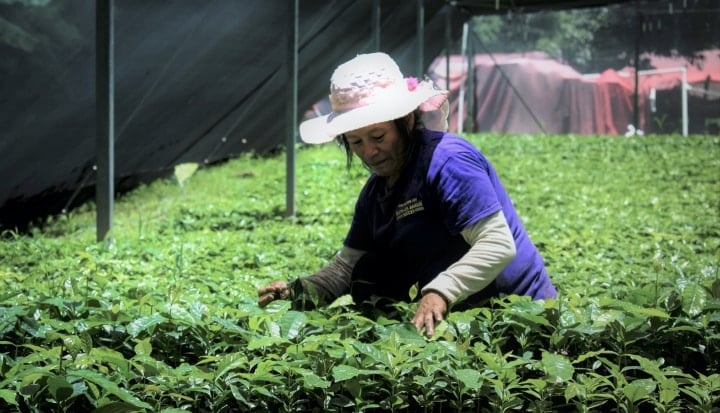
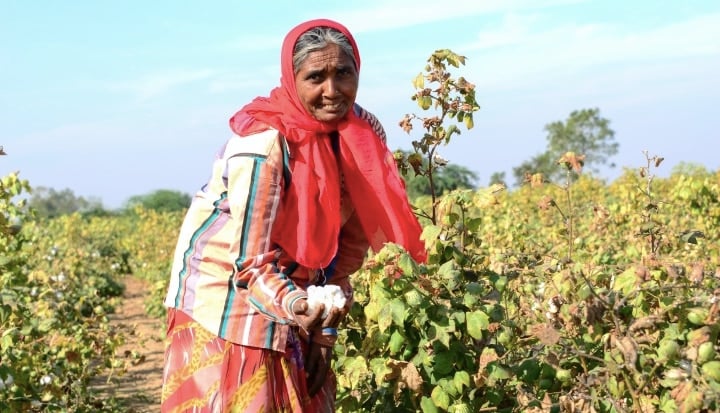
Globally, women farmers struggle to access land, credit, and training and bear a heavy double burden of farm and household responsibilities. These gender inequalities pose a serious risk to women farmers in the face of climate change.
CottonConnect’s understanding of the effect of climate change on cotton farmers led to its people-centred approach as it works to create climate resilient farming communities, who can respond to the challenges to their farms and livelihoods through training, technology and adapted crop planning.
The Futuremakers Forum brings stakeholders together to build partnerships and create opportunities focused on young people. Hosted in partnership with Business Fights Poverty, this three-day