Earlier this month, the 2021 Edelman Trust Barometer reported that the pandemic has caused a crisis of public trust in our institutions. Its findings suggest a new mandate for business, which is now the most trusted institution, to play a key role in restoring trust and responding to social challenges.
As scientists move closer to an effective COVID-19 vaccine, the global health community is preparing for how it will build trust in its safety and efficacy. Well-designed communication can increase healthy behaviours, including vaccine uptake. Here are our top five mantras for how to think about COVID-19 vaccine communication.
In an insights-packed fortnight, Business Fights Poverty has released a new report; asked ‘Where Now?’ in our Virtual Summit; considered what business can do to increase vaccine uptake; and reflected on what digitisation, data and a crisis of trust in institutions might mean for the future.
The humanitarian organization CARE has launched its Fast and Fair approach to COVID-19 vaccine distribution in order to reach 60 million people – including 275,000 frontline health workers – as well as 40 million people through advocacy efforts.
COVID-19 is highlighting how a lack of gender-sensitive statistics threatens women’s health. But a shortage of good, reliable data on women is also holding back progress towards inclusive and sustainable industrial development (ISID), and hampering preparations for the changing employment landscape of the post-COVID economy.
Covid-19 has disrupted lives all across the world, limiting our daily routines and mundane activities. For people living with disabilities (PWDs), the pandemic has multiplied their challenges and raised their vulnerability to existing conditions.
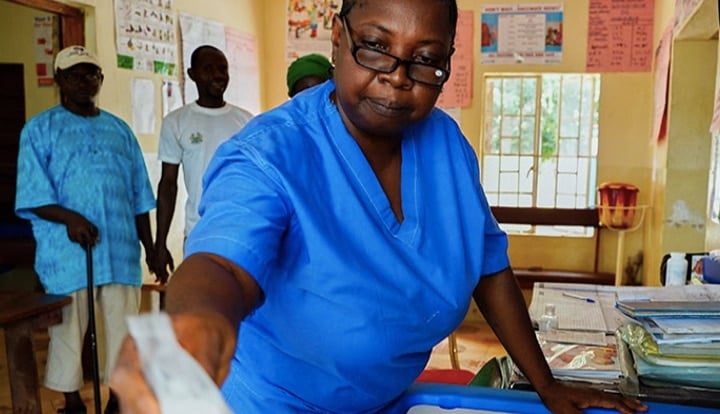
COVID-19 has forced us all to shift our ways of working, to rapidly innovate and adjust; and we have seen the extent to which this applies to primary healthcare workers. Not only the way in which they deliver care but also how these frontline workers are themselves supported and able to learn.
With data being described as ‘the currency of the future’, it’s vital that sustainability systems make the most of their data assets to support the environmental and social transformations our world needs. Read more on unlocking the power of data for sustainability systems from ISEAL’s Robert Lefebure.
During our conversation, Daniella Foster, VP & Global Head of Public Affairs, science and sustainability, at Bayer’s Consumer Health organisation, examines how self-care can do so much more than just make us feel a little better.
Does the disruption created by Covid-19 create opportunities to reset capitalism in the long term, or will inertia prevail? That is the key New Year question as we look beyond the Covid crisis to possible future pathways. Sally Uren and Caroline Ashley of Forum for the Future, argue that what happens next in capitalism could be down to hearts and minds, not the market
In 2020, the modern economy became synonymous with the digital economy, and the Mastercard Center for Inclusive Growth re-doubled efforts to help MSMEs survive and thrive. Here they share four guiding principles that they will be incorporating into their work in 2021 to help bring about an inclusive and sustainable digital economy that works for everyone, everywhere.
The New Year presents an opportunity to set new resolutions and examine our intentions for the future. This year, the continuing COVID-19 pandemic and the political unrest in the USA has made these questions more pressing than usual. What is the future that we want, and what is our role, both professionally and personally, in achieving it?
If you are wondering why risk getting the COVID-19 vaccine; how to decipher the fake news on the immunizations; or curious why businesses should be thinking about COVID-19 vaccines…this podcast is for you. Prof Scott Ratzan and Prof Heidi Larson are two of the most experienced thinkers on the topic of vaccines that the world has. Their entire careers have arguably been leading up to this point.
How do you predict, plan for and make the future you want become reality? Ask Cat Tully. Cat is the founder of the School of International Futures. During our podcast Cat explores with us what the future will be and how we can get there, providing practical guidance so that we can all get ready for the future we want.
Inspiring inclusive businesses have invested in their relationships with stakeholders, shared experiences and strengthened public-private partnerships to stay resilient during the Covid-19 pandemic and tackle the needs of low-income communities around the globe in times of crisis.
We find ourselves in the midst of a significant global transition. Policy makers around the world are directing trillions of dollars of public investment that will reshape the economy for decades to come in the aftermath of the pandemic. The pandemic has revealed, more than ever before, the highly interconnected nature of the global economy and its vulnerabilities.
LGBTQ refugees and asylum seekers around the world are fleeing their home countries due to life-threatening persecution and violence. To help LGBTQ refugees integrate into their new communities and prepare for the job market, global businesses collectively committed to provide mentorship opportunities to approximately 1,250 LGBTQ refugees in North America over the next three years.
Small-scale enterprises are key in helping Maasai communities rise out of poverty. One example of these is beekeeping which brings not only financial benefits but also greater independence and influence for women in a traditionally patriarchal society. With Covid-19 having decimated tourism incomes in southern Kenya and northern Tanzania, diversified livelihoods have never been more important.
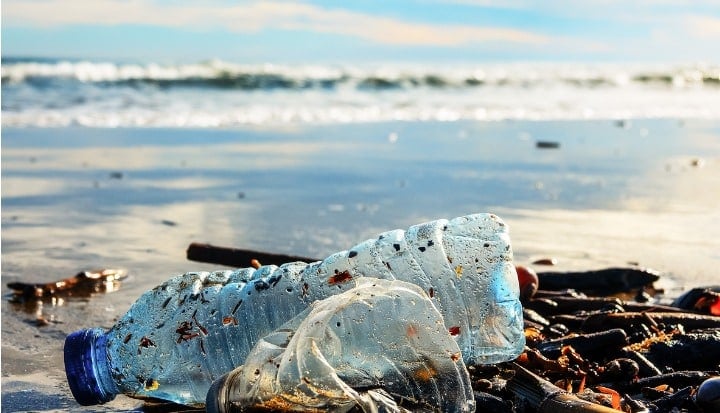
The pandemic has seen plastic waste skyrocket, while corporates continue to pump out single-use plastic packaging that’s found dumped all around the world. But a new inter-disciplinary research network at the University of Birmingham is looking to tackle the problem with infinitely recyclable polymers and collaborative projects with business.