Governance and Transparency

Ensuring Governance and Transparency in Aid

Sustainability systems must move beyond audits to meaningful engagement with small-scale producers. New guidance from ISEAL highlights how collaborative, participatory approaches can uncover root causes, strengthen resilience and improve outcomes. By recognising producers as partners and knowledge holders, businesses can build more effective, credible and regulation-ready supply chains.
icon-content-article-grey
As crises deepen and resources shrink, social impact leaders must do more with less. This article explores how systemic partnerships and responsible AI can unlock efficiency, scale and collaboration. By combining human-centred approaches with technology and trust, businesses and organisations can remain ambitious while driving meaningful progress on poverty, climate and inequality.
icon-content-article-grey
As social impact becomes more complex, politicised and contested, businesses and practitioners are rethinking how change is led and communicated. Drawing on insights from Business Fights Poverty’s Together for 2026 forum, this article explores how organisations can move beyond acronyms, build trust locally, integrate impact into core decision-making, and sustain leadership resilience in an uncertain global landscape.
icon-content-article-grey
At this year’s Business Fights Poverty Global Goals Summit, a number of sessions turned their attention to the launch of our new Five Bridges to 2045: How Business Can Build a Fairer, More Resilient Future. Eighteen experts from our global network took part in online sessions and an in-person event hosted with Barclays in New York, where representatives from Ikea, Natura, Vodafone Foundation, ABF Sugar and Fundación Paraguaya shared their perspectives on how to bring the report’s vision of embedding social impact and sustainability into core business closer to reality.
icon-content-article-grey
Watch this Workshop with Work and Opportunities for Women (WOW), a programme of the Foreign, Commonwealth and Development Office (FCDO) to explore how companies
icon-content-video-grey
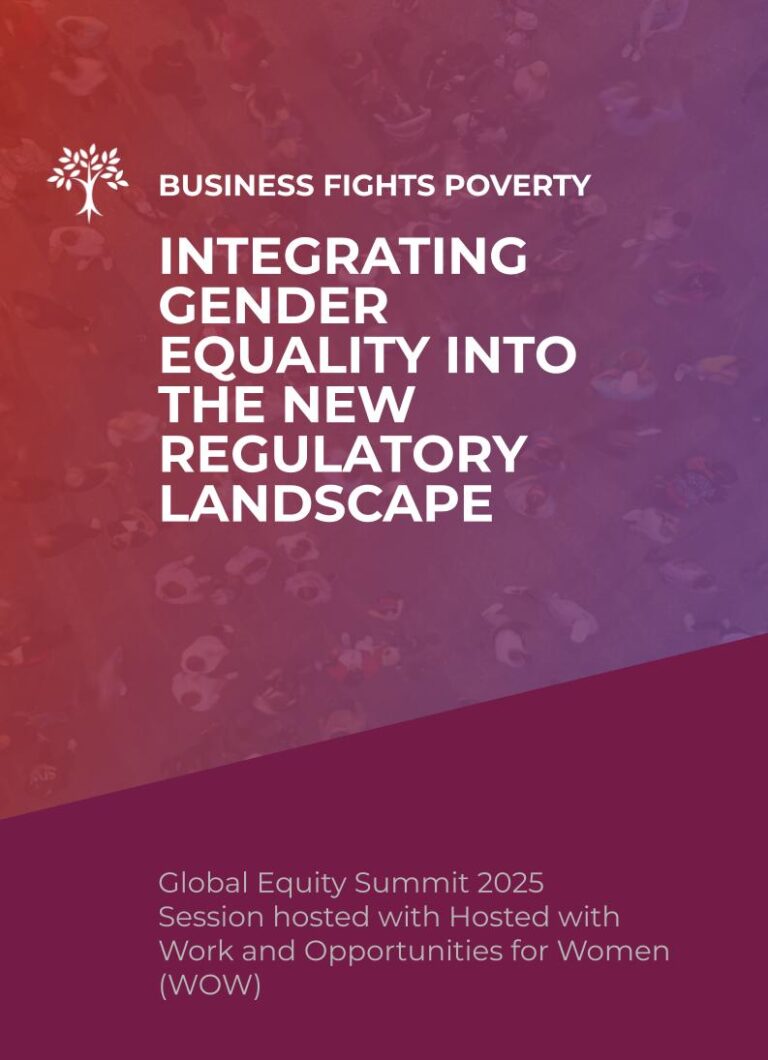
How Can We Report on Women’s Equality in the New and Evolving EU Regulatory Landscape? Hosted with Work and Opportunities for Women (WOW), a
insights-icon
As a Ugandan beneficiary of aid, Keith Kibirango highlights how USAID’s funding freeze exposes the flaws in traditional aid models, leaving communities vulnerable and disillusioned. This crisis calls for new, sustainable partnerships that prioritize direct impact and local leadership. The Global South must take charge of its development and funding future.
icon-content-article-grey
In this special episode, we bring you exclusive insights straight from COP29 in Baku, Azerbaijan, with long-time Business Fights Poverty community members, Justin Perrettson and Katarina Kahlmann. As global leaders and changemakers convene to tackle the pressing challenges of climate change, Justin and Katarina share their experiences, expertise, and perspectives from inside the conference.
icon-content-podcast-grey
Social Impact Pioneer Amanda Smith, Diageo explores how to turn ambitious corporate commitments on social impact and inclusivity to reality.
icon-content-podcast-grey
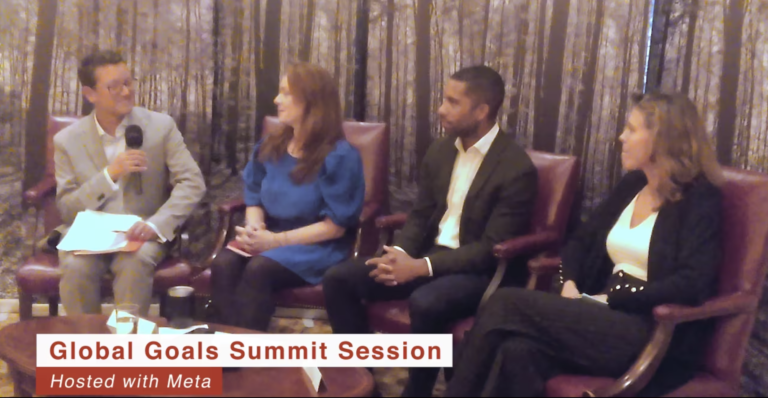
Companies today face the challenge of maintaining ambitious social and environmental innovation while navigating an increasingly complex regulatory landscape. During a hybrid workshop hosted
insights-icon
Watch this Hybrid Workshop with Meta on how companies can remain ambitious in delivering social and environmental innovation while ensuring compliance with the evolving regulatory landscape.
icon-content-video-grey
Enhancing women’s empowerment strategies faces resistance from power dynamics and short-term profit concerns. However, long-term and well-diversified investors recognize the sustainable benefits of diversity, equity, and inclusion, influencing firms to prioritize gender equality and reaping positive financial outcomes. This article explores the critical role investors play in promoting women’s empowerment in business.
icon-content-article-grey
Small and medium-sized enterprises (SMEs) can achieve a competitive edge by adopting the UN Sustainable Development Goals (SDGs). Embracing sustainability offers numerous benefits, and the UN Global Compact Network UK’s SDG Playbook provides practical steps to help SMEs successfully integrate these goals into their business models.
icon-content-article-grey
The landscape of global development is evolving, with new challenges and opportunities emerging on the horizon. As we navigate these complexities, the power of collaboration, innovation and impactful action becomes increasingly apparent. This paper synthesises the insights from a vibrant Online Written Discussion, “Together for 2024”.
forum_grey
Explore crucial insights in the Annual ESG Preparedness Report, highlighting leadership’s role in integrating Environmental, Social, Governance (ESG) into business. This report emphasises women’s impact on sustainability governance and calls for actionable leadership strategies in a world increasingly aware of its ecological footprint.
icon-content-article-grey
The negative impact of corruption on climate action is a link we can no longer ignore. Dana Schrann explains how it is imperative to keep a close eye on whether states are over-exaggerating actual efforts towards climate action, while continuing with business as usual.
icon-content-article-grey
How do you effectively spend billions of dollars of taxpayer’s money to help fight global poverty? And how do you invest for climate resilience and account for the unknown such as the risks of pandemics? We hear from Alicia Phillips Mandaville who is the Vice President of the Department of Policy and Evaluation at The Millennium Challenge Corporation (the MCC)
icon-content-podcast-grey
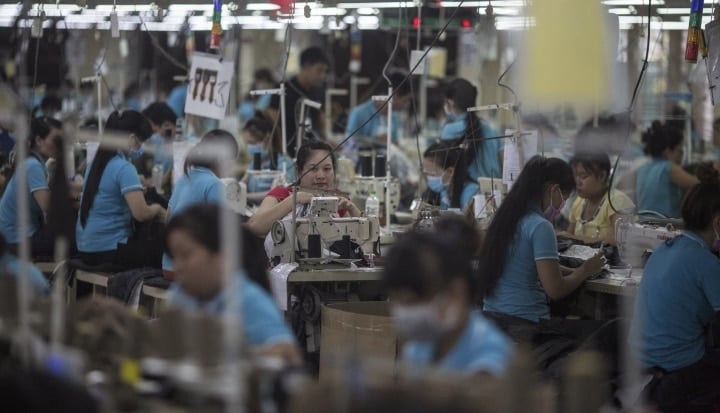
As Human Rights Due Diligence becomes increasingly important for businesses, Oxfam’s Private Sector Human Rights Advisor, Monica Romis looks at how purchasing practices have direct implications on the human rights of workers, sharing some of Oxfam’s research and highlighting concrete steps business can take for a more equitable sharing of rights and responsibilities through the supply chain.
icon-content-article-grey
With over 1.4 million deaths, COVID-19 has disrupted health systems all over the world and highlighted profound inequality. Corruption during the pandemic has widened the gap between the haves and have-nots. Alongside policy makers, there is much that businesses can do to tackle corruption in the response to COVID-19 and contribute to more equal societies.
icon-content-article-grey
On 29 November, Switzerland will hold a nationwide referendum on the Responsible Business Initiative. A vote in favour of the initiative will make companies headquartered in Switzerland legally responsible for what happens in their supply chains.
icon-content-article-grey

What do we mean by "Governance and Transparency"?

Discover the role of governance and transparency in ensuring fair and accountable systems. Protecting and empowering communities around the world.

Sub-topics within this category

There are no sub-topics within this Category.