Diversity, Equity and Inclusion

Promoting Diversity, Equity, Inclusion to Fight Poverty

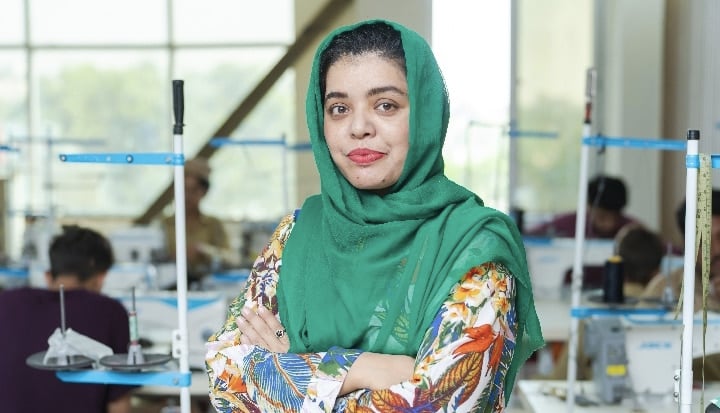
CottonConnect believe that climate adaptation and mitigation are more effective when women are involved. Given the right training, skills and tools, women tend to make more sustainable decisions. They bring holistic change to communities and drive progress. When elevated to a decision-making position, women encourage better climate governance and more climate innovation.
icon-content-article-grey
Access to remedy is crucial to reduce vulnerability of migrant workers to modern slavery. To honour International Migrant’s Day, Anti-Slavery International’s explains the importance of access to remedy and what businesses can do for a migrant workforce, informed by our successful project aimed at migrant workers in Mauritius.
icon-content-article-grey
Gender norms are stunting women-led enterprises, as revealed in a new report from CARE’s Ignite program. The research confirms that women entrepreneurs worldwide are so bound by gender norms, they often cannot grow their businesses – meaning less income for the household, less employment in the community and less money into the local economy.
icon-content-article-grey
Meet Social Impact Pioneer Devi Thomas. During our conversation, Devi shares her wisdom and experience in successfully developing and delivering social movements and campaigns. Rarely does someone so generously gift their secret sauce as Devi does during this conversation. She takes us step by step through creating a movement.
icon-content-podcast-grey
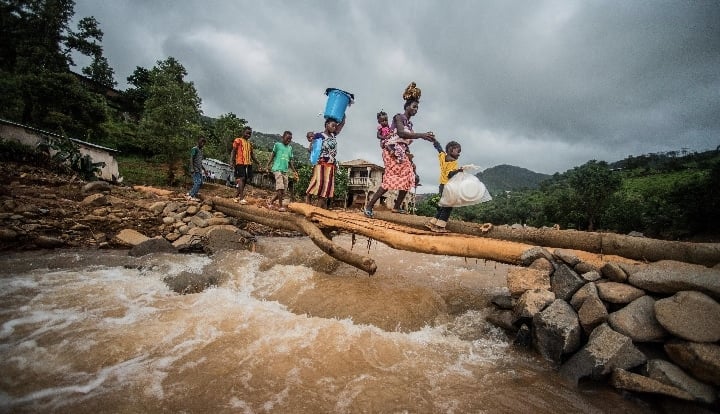
How climate change and modern slavery intersect, and why this intersection must be recognised by governments and businesses. The world cannot properly tackle climate change without including efforts to end modern slavery.
icon-content-article-grey
icon-content-podcast-grey
What does gender equity mean? How far have we progressed towards gender equality? And how can we sensitively transfer learning from one region to another when tackling gender equity? These are just some of the questions this podcast tackles.
icon-content-podcast-grey
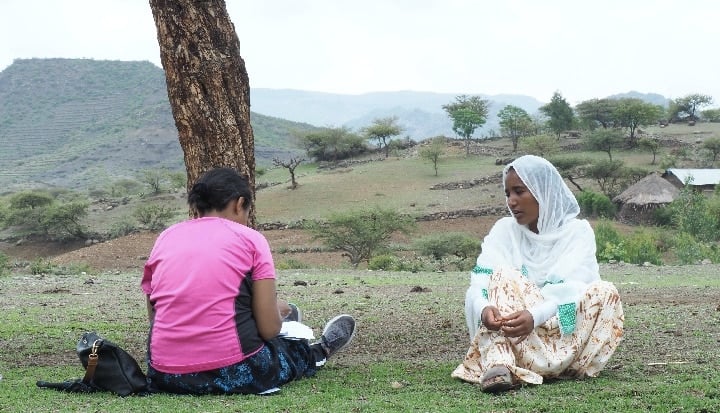
Menstrual health and hygiene (MHH) is a term used to encapsulate the broader systemic factors that link menstruation with health, well-being, equity, empowerment, and individual rights. Leveraging their expertise in market sanitation in Ethiopian communities, a team of iDE-ers sought to expand the organization’s approach through an exploratory study of MHH.
icon-content-article-grey
Help us drive gender equity: Please take our survey to help us better understand business motivations for addressing the care economy and how entrepreneurs innovating in this space could support your business. 
icon-content-article-grey
How can business better support people with disabilities and access issues? There are an estimated 1 billion people globally experiencing some form of disability. Though accessibility issues are inherently personal, with so many people face extra challenges to navigate our world – how can we all better support each other
icon-content-podcast-grey
This article aims to highlight the changing nature of work for young Africans that has been severely impacted by the Covid-19 pandemic. This explores the state of youth unemployment on the continent and the potential for digitalisation to impact the future of work, calling on the business community and leaders to invest in skills development of youth, promoting entrepreneurial mindsets.
icon-content-article-grey
This article shares the story of a network of small-scale farmers in India tackling climate change. It forms part of ANDE’s Stories of Climate Resilience: Small Businesses, Big Impact campaign, that showcases adaptation solutions to climate change driven by entrepreneurs.
icon-content-article-grey
When women’s businesses succeed, the benefits to their families and communities are substantial. However, obstacles like those faced by Bernadette are pervasive for women entrepreneurs, often preventing them from reaching their full economic and personal potential. Many women entrepreneurs lack access to the training and resources they need to help them develop their business skills.
icon-content-article-grey
María Fernanda Ghiso, Youth Inclusion expert at the Rainforest Alliance, marked International Youth Day (last month) by reminding organisations that they need to enable today’s youth to deliver tangible and sustainable change.
icon-content-article-grey
With goals that range from “[being] financially stable”, to “being an established business tycoon”, young people from low-income communities have big ambitions. However, due to an interwoven mix of financial barriers, they currently lack the information, infrastructure, and knowledge to pursue such ambitions. How can organisations put young people from low-income communities at the heart of financial inclusion decision-making, in order to help them achieve their ambitions?
icon-content-article-grey
More than 3.2 billion people in low- and middle-income countries (LMICs) now access the internet on a mobile phone. Mobile is the primary way men and women access the internet in LMICs, accounting for 85% of broadband connections in 2021.[1] Despite the critical role of mobile in providing connectivity, progress in closing the gender gap in mobile internet use has stalled.
icon-content-article-grey
A new learning brief from IFC introduces how the fast-moving consumer goods (FMCG) sector, including manufacturers, e-supply chain actors, investors, and development organizations, can advance gender equality within the distribution activities. The brief provides a market overview and presents an emerging business case, the challenges facing women distributors and retailers, and recommendations.
icon-content-article-grey
When the European Union embraced the concept of double materiality in the Corporate Sustainability Reporting Directive, mandating that investors consider risks corporations externalize onto people, the business and human rights movement notched a significant win. Now the notion of double materiality is also taking shape in a different guise beyond Europe: in rising investor concerns around systemic risks, including inequality.
icon-content-article-grey
Half of refugees in the UK struggle to get employed. What can those of us working in the social impact space do to help them find meaningful work? In the recent WISE Ways to Lead webinar, hosted by Pioneers Post in partnership with NatWest, we heard from social enterprises working with refugees to answer just that. Read on for highlights, and watch the full discussion video.
icon-content-article-grey
On behalf of Futuremakers by Standard Chartered, Business Fights Poverty in partnership with Murray Edwards College, University of Cambridge, conducted a survey of over 1,200 young people about financial inclusion. The survey responses and stakeholder interviews point to three main issues: i. Young people need to be put at the heart of designing products and services that are fit for them; ii. Young people require financial information and infrastructures to make informed financial decisions; iii. A relationship of trust needs to be built as part of the provision of financial services and products.
icon-content-report-grey

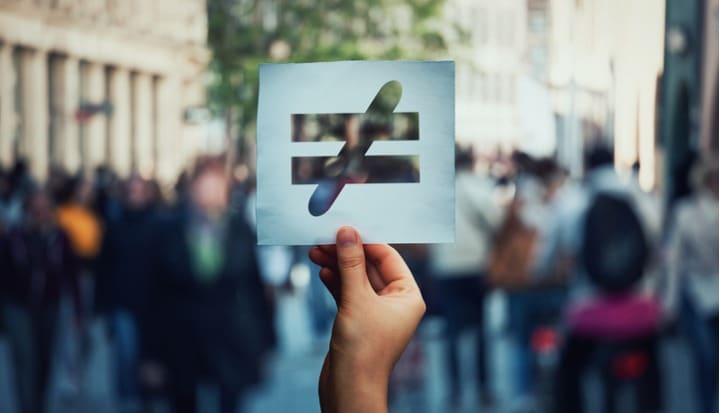
What do we mean by "Diversity, Equity and Inclusion"?

Learn about strategies that promote diversity, equity, and inclusion, fostering an environment where all individuals can thrive regardless of gender or economic status.

Sub-topics within this category