Shea trading does nothing to lift women producers in Ghana above the UN poverty line. The Dipaliya Return on Extraction business model changes all that, empowering women, providing fair wages, and enabling community investments. Dipaliya stands for ethical and regenerative shea trading in Ghana.
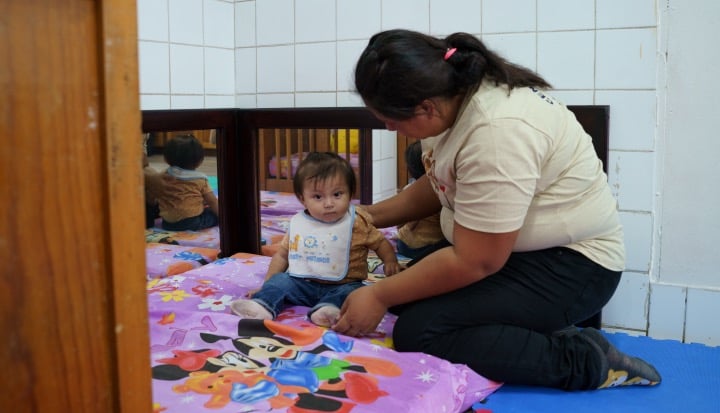
To mark the first UN endorsed International Day for Care (29 Oct) we have published a series of in-depth interviews, conducted as part of the research for a new report on how multinationals can better support care economy enterprises.
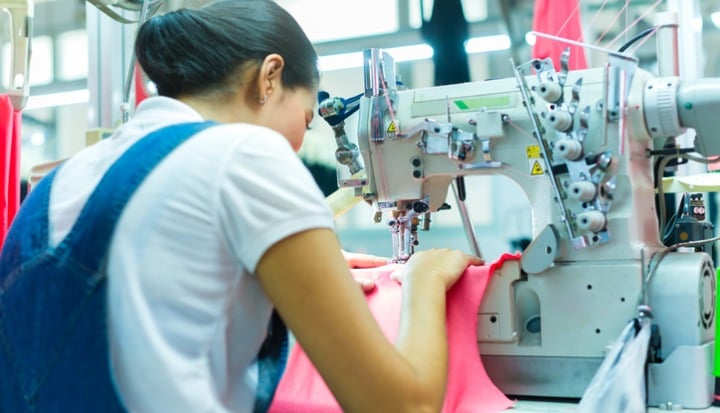
During Global Goals Week, RISE: Reimagining Industry to Support Equality presents five reasons why businesses should prioritize supporting women workers in global garment supply chains and how by doing so, they can improve workers’ lives, strengthen the supply chain, catalyze systems change and contribute to meeting the UN Sustainable Development Goals

African fintechs are recognizing that embracing Environmental, Social, and Governance (ESG) principles not only enhances their investment appeal but also drives sustainable business growth. This article uncovers how fintechs are embracing responsibility for sustainable advancement.
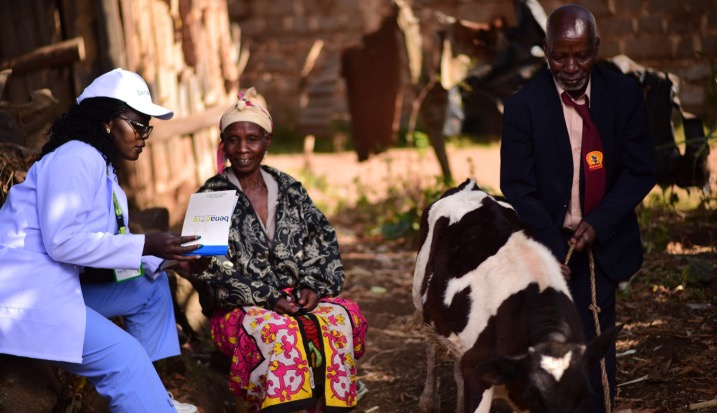
Better data and social performance benchmarks are critical to achieving more sustainable and equitable value chains. Tom Adams and Madeline Copp of 60 Decibels discuss the need to listen to farmers directly and at scale in order to improve their livelihoods.
Delving into the Training of Trainers (ToT) model, this article evaluates its effectiveness and best practices. Drawing from Primark’s Ethical Trade Team’s experience and research, it offers insights into optimising ToT for large-scale knowledge dissemination and behaviour change.
Enlightened businesses recognise their opportunity to lobby governments to tackle inequalities, as well as behaving responsibly. But few seem willing to speak out about socio-economic inequalities. Read on for nine reasons why businesses should speak out about the need for a fairer Britain
Meet Social Impact Pioneers Jennifer Owens and Kati Kallins. Two people with decades of experience working with people from across business areas – in that time Jenn and Kati have learnt a few things about how to better communicate environmental, social and governance topics. Buckle up for a deeply pragmatic conversation, stuffed full of practical guidance and insight.
Fairtrade intensifies fight against cocoa child labor with a new program. Despite challenges, the €450,000 budget aims to generate additional income for co-ops, offer education grants, and support poverty-alleviating projects. Co-ops’ innovative proposals will be funded based on impact and scalability.
Research in 12 countries by GlobeScan for Fairtrade suggests rising food prices haven’t deterred the majority of shoppers from paying a bit more for a Fairtrade product. Many people still put ethical considerations high on their list when they go to the supermarket. Here are five good reasons why.
While ESG has moved from a fringe topic to the forefront of business and investment strategies, questions persist about its real impact and how best to articulate its benefits. Experts and contributors from across the Business Fights Poverty community recently met to share their insights, highlighting several strategies and areas for improvement.