Livelihoods and Jobs

Creating Employment & Jobs to Fight Poverty

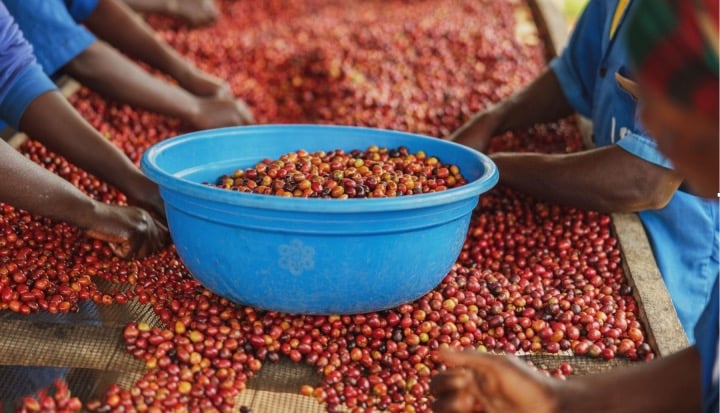
Despite progress, 828 million face hunger, up by 150 million due to COVID-19. The Ceres2030 study highlights key strategies: empower communities, boost farm productivity, improve food distribution. The Zero Hunger Private Sector Pledge invites companies to join efforts, pledging financial commitments. Together, we strive to end hunger sustainably by 2030.

icon-content-article-grey
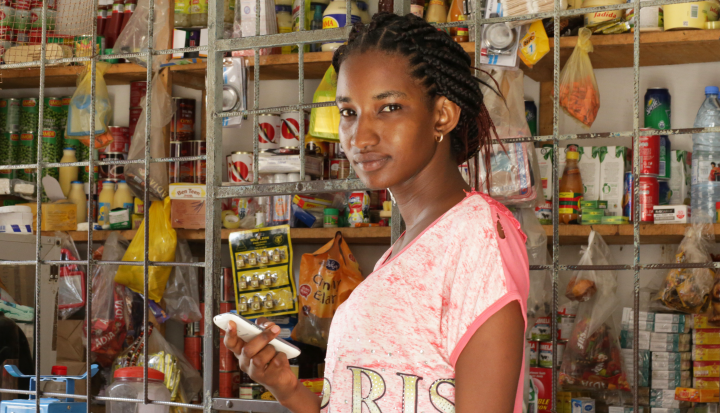
Global businesses are leveraging responsible digital payments to accelerate progress towards the United Nations Sustainable Development Goals (SDGs), with a focus on aiding small retailers, smallholder farmers, and low-income workers. Digitization not only enhances efficiency but also drives financial inclusion, benefiting millions by offering secure, accessible transactions.
icon-content-article-grey
Fairtrade’s recently launched sustainable agriculture policy calls for resilient food systems built on agroecology – that is, the application of environmentally, economically and socially responsible principles to farming. Here are five reasons why our current food and farming policies need a complete reset – and how we can do it.
icon-content-article-grey
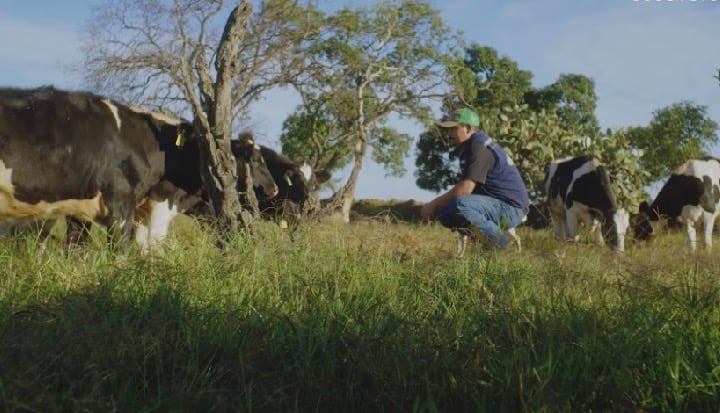
Smallholder dairy farmers face numerous challenges due to limited opportunities to secure funds that could help them grow and invest in essential assets for boosting their profitability and transition to regenerative business practices. So, how can innovation and partnership step in to bridge this gap?
icon-content-article-grey
Enlightened businesses recognise their opportunity to lobby governments to tackle inequalities, as well as behaving responsibly. But few seem willing to speak out about socio-economic inequalities. Read on for nine reasons why businesses should speak out about the need for a fairer Britain
icon-content-article-grey
Fairtrade intensifies fight against cocoa child labor with a new program. Despite challenges, the €450,000 budget aims to generate additional income for co-ops, offer education grants, and support poverty-alleviating projects. Co-ops’ innovative proposals will be funded based on impact and scalability.
icon-content-article-grey
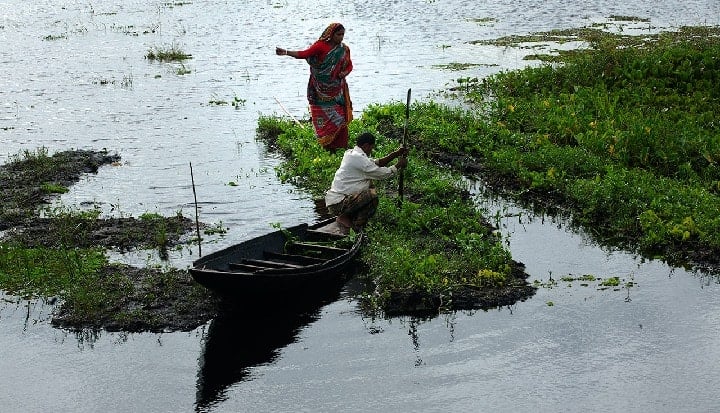
Bangladesh is implementing innovative measures and allocating a significant portion of its budget to combat climate change. Learn why investing in the Global South now not only addresses the urgent climate emergency but also promises long-term benefits for the rest of the world.
icon-content-article-grey
Social Impact Pioneer, Dale Buscher, of Women’s Refugee Commission talks refugee self-reliance and building livelihoods
icon-content-podcast-grey
Climate-driven Loss and Damage is bad for business and customers, but worst for the world’s economic backbone: women on the frontline of climate change. If their ability to manage climate change is not supported, business continuity stalls. Companies should support women, alongside civil society and policymakers, to foster a global economy that delivers for everyone. 
icon-content-article-grey
Our latest report explores the rapid evolution of generative AI, its potential for positive social impact, the risks it poses, and the crucial role of businesses in harnessing its benefits and mitigating its risks. Share your perspectives and help shape our collective thinking on building an equitable, resilient future.
icon-content-article-grey
The Equality Institute is undertaking a new initiative looking at the challenges parents face in the workplace, how these challenges differ for mothers versus fathers and other people caring for children, and what employers can do to help overcome them. But we need your help. Please Share your views in this Parents in the Workplace Survey.
icon-content-article-grey
The transition to a green economy offers the prospect of an improved environment and better livelihoods. But unlocking that opportunity requires understanding local markets and economic incentives.
icon-content-article-grey
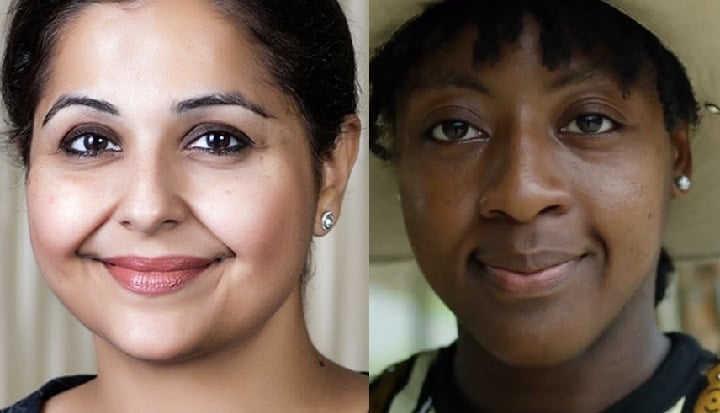
Are you ready to learn from a young female entrepreneur from Ghana and an Africa and Middle East female finance leader from Pakistan who are passionate about the way we approach green tech solutions and improve incomes for smallholder farmers? Then buckle up and tune into this podcast featuring Social Impact Pioneers Audrey S-Darko and Khadija Hashimi
icon-content-podcast-grey
What does it take to create gender equality at work? How can we help marginalised groups progress in business – and particularly marginalised women in business? Listen to this podcast to hear from Social Impact Pioneers helping young women from underserved backgrounds to progress and succeed in the workplace.
icon-content-podcast-grey
This podcast hears from Social Impact Pioneers: Emily Janoch from the NGO CARE and Taryn Barclay from multi-national company Cargill. Together they talk deeply about why women are critical to prosperous food supply chains, what difference it would make if we take women seriously in the agricultural sector and how supporting women and their communities is essential for long term sustainability.
icon-content-podcast-grey
Join us for this live written discussion with a panel of experts to explore the business case for paying living wages, and how can
event-grey
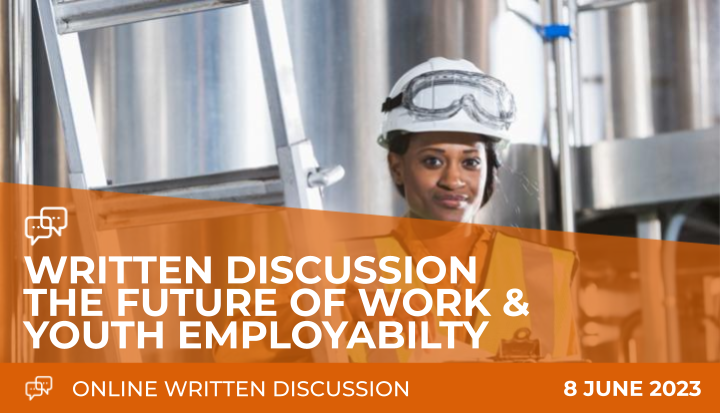
Join us for this live written discussion with a panel of experts to explore how businesses can best support youth employability in light of the trends we are seeing around the future of work. The live panel is taking place on Thursday 8th June 2023, 10am to 11am EDT / 3pm to 4 pm GMT
forum_grey
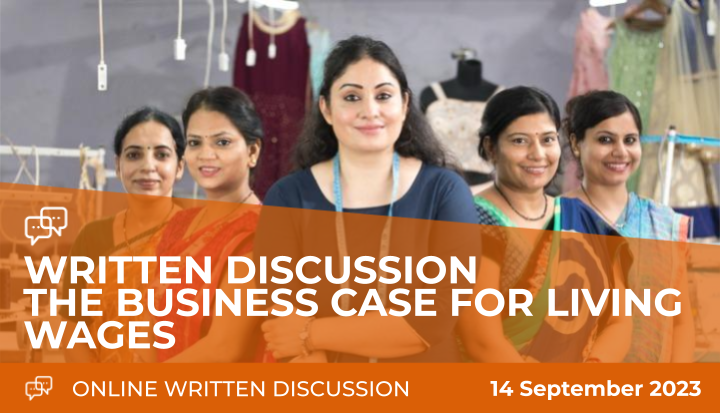
Join us for this live written discussion with a panel of experts to explore the business case for paying living wages, and how can businesses can implement living wages across their value chains. The live panel is taking place on Thursday 14th September 2023, 10am to 11am EST / 3pm to 4 pm GMT
forum_grey
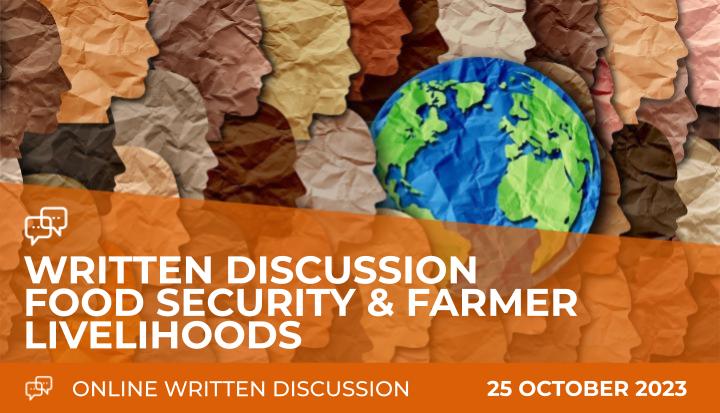
Join us for this live written discussion with a panel of experts to explore what role businesses can play in addressing the social and equity dimensions of climate change. The live panel is taking places on Wednesday 25th October 2023, 10am to 11am EST / 3pm to 4 pm GMT
forum_grey
Regenerative agriculture improves the soil, traps carbon emissions and lifts farmers out of poverty. 80% of Kenya’s smallholder farmers are women, which is why Hand in Hand’s regenerative agriculture curriculum places women at its core. The organisation aims to reach one in 20 Kenyan farmers in the next five years.
icon-content-article-grey

What do we mean by "Livelihoods and Jobs"?

Discover how job creation is a pivotal strategy in the global fight against poverty. Promoting employment opportunities fosters economic stability and growth.

Sub-topics within this category