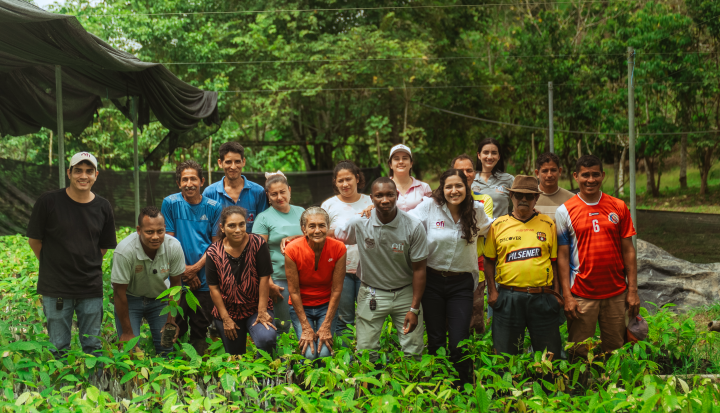
Strong partnerships are essential to building resilient, climate-smart supply chains. Drawing on ofi and GIZ’s multi-year collaboration, this article shares five practical lessons for empowering women farmers at scale. From aligning around shared challenges to designing inclusive, long-term programmes, it shows how partnership can unlock livelihoods, strengthen value chains and drive measurable impact.
New research offers practical approaches to strengthening traceability and supporting smallholder inclusion at the start of agricultural supply chains. Jessica Fryer from ISEAL discusses the research findings and what this means for building resilient and inclusive supply chains.
AI is helping women entrepreneurs save time, but not yet unlock the full growth potential of their businesses. Drawing on research across 3,000 women entrepreneurs in 66 countries, this article explores why AI adoption remains concentrated in marketing and communications, and what targeted action is needed to turn AI from a helpful tool into a genuine driver of resilience, productivity and growth.
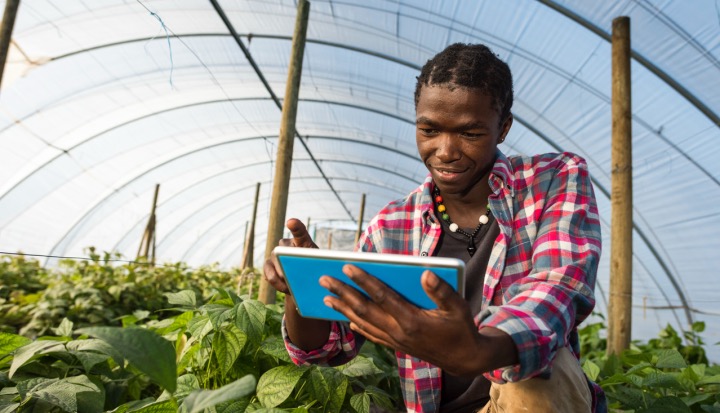
Artificial intelligence offers enormous potential to level the playing field for young entrepreneurs — but without urgent action, it risks deepening inequality. Drawing on insights from Youth Business International’s policy paper, this article explores how business, policymakers, and support organisations can collaborate to close the AI divide and build a more inclusive future for entrepreneurship.
Micro-retailers are vital to local economies and brand ecosystems, but many face repeated disruption from climate shocks. A new report from Business Fights Poverty and Mastercard Strive explores how digital financial tools can fortify, navigate and recover from climate risks, creating stability for low-income entrepreneurs and strategic value for financial institutions and supply chains.
As world leaders endorse the Belém Declaration on people-centred climate action, one truth is clear: farmer resilience must move from rhetoric to investment. This article explores why smallholder farmers receive less than 1% of climate finance, and how local agricultural enterprises offer the fastest, most scalable route to climate-resilient supply chains and global food security.
Accelerators are touted as engines of SME growth. Yet most target established businesses, leaving low-income women behind. Hand in Hand’s grassroots accelerator proves their potential: over 8,000 women have scaled businesses, boosting incomes, creating jobs, and lifting families well beyond the poverty line. Amalia Johnsson, Hand in Hand International CEO, explains why inclusive growth demands we accelerate women too.

Watch this Workshop with Walmart to explore how to expand MSME growth opportunities in the face of disruption. We examine strategies for strengthening local
Youth Business International (YBI), the global leader in youth entrepreneurship, is calling for urgent action to support high-growth potential youth-led businesses trapped in the “missing middle.” YBI’s new policy paper sets out strategies to de-risk youth entrepreneurship and unlock sustainable economic growth, job creation, and innovation — particularly among underrepresented youth, women, and businesses outside traditional tech hubs.
In partnership with Visa Inc, Business Fights Poverty launched yesterday a new report, at Saïd Business School, University of Oxford, calling for the private sector and governments to recognise the economic potential of refugees and to support approaches that work for refugees and host communities.
Online gender-based violence (GBV) is driving women-owned micro, small and medium enterprises (MSMEs) offline, shrinking markets, profits and global economic growth. This MSME Day, we’re calling for the private sector to take urgent action to address this issue and create a more inclusive digital business world. Our new research with Intuit and the World Bank’s ‘Women, Business, and the Law’ project sheds light on how.
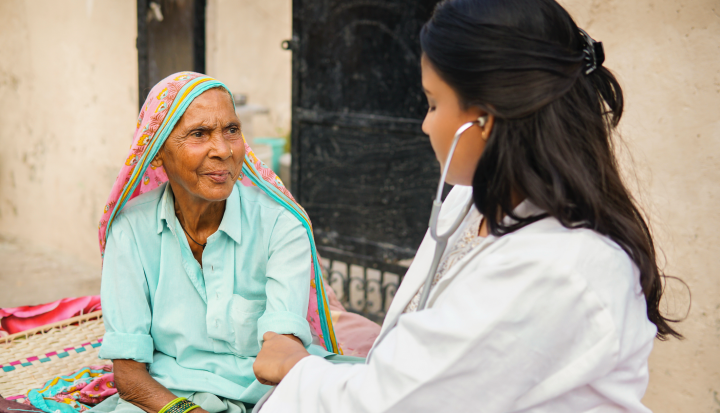
Hybrid healthcare models—combining in-person and digital care—are closing critical gaps in low-income communities. The Swiss Re Foundation’s Entrepreneurs for Resilience 2026 programme is now accepting applications from ventures using this hybrid approach. Selected finalists will receive funding, technical support, and visibility to help scale impact and deliver essential care where it’s needed most.
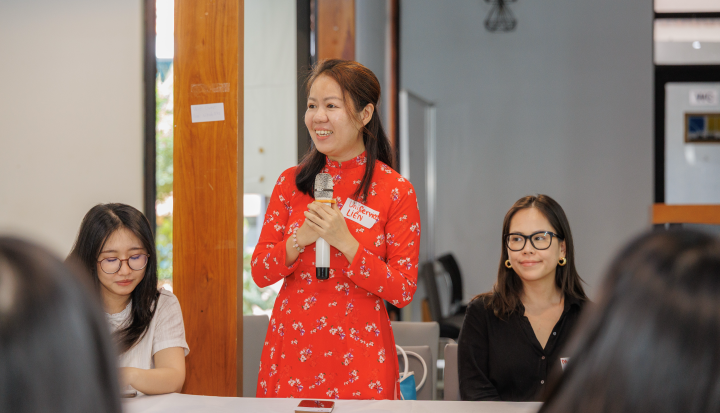
Women entrepreneurs are vital to economic growth, yet continue to face persistent barriers—especially in accessing finance. This article explores how Learning Networks, like WE Connect in Vietnam, bring together ecosystem actors to co-create practical solutions. Through shared knowledge, innovation, and partnership, these networks can drive inclusive finance and long-term success for women-led enterprises.
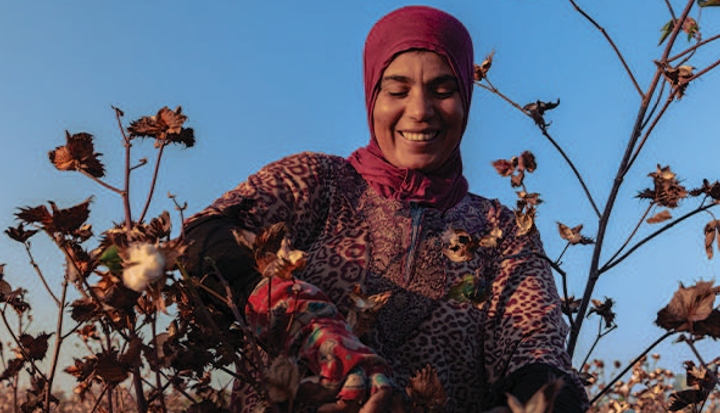
Women play a vital yet often overlooked role in agriculture and climate resilience. CottonConnect CEO Alison Ward highlights how women cotton farmers are disproportionately impacted by climate change—and why they must be central to sustainability strategies. Through education, training, and recognition, women can lead transformative climate action from the ground up.
Sales agent models have the potential to improve access to goods and services while creating economic opportunity for women and youth. Drawing on work from Rwanda and Mozambique, TechnoServe’s Sophie Duchanoy and Sarah Bove share three key factors in making these approaches work.
Social Impact Pioneer Christina Mawuse Gyisun, Co-Founder of Sommalife, joins us to talk about the shea industry in West Africa and how she and her team are increasing market access, and securing the future of an industry, by better supporting female smallholder farmers.
Werner Wallner, Hilti Foundation; Amalia Johnsson, Hand in Hand International; and Payal Dalal, Mastercard Center for Inclusive Growth. Listen in to explore how microentrepreneurs can be the catalyst for economic growth, the systemic shifts needed to empower them, and the emerging trends shaping their future.
Access to safe water, sanitation, and hygiene (WASH) remains a major challenge for billions. Small and medium enterprises (SMEs) play a critical role in filling this gap, but their impact can be enhanced through behaviour change strategies. By leveraging local trust, targeted communication, and data-driven insights, SMEs can drive healthier communities while growing sustainable businesses.
Smallholder farmers are at the forefront of the climate crisis, forming the backbone of global food systems while bearing its brunt. Market systems development (MSD) offers a transformative approach to achieving climate resilience and justice by fostering sustainable, scalable solutions. This article explores MSD’s potential to empower smallholders, drive greener growth, and support equitable climate action.
What do we mean by "Micro, Small and Medium Enterprises"?
Explore how empowering micro, small, and medium enterprises (SMEs) can drive economic development and reduce poverty by fostering innovation and job creation.