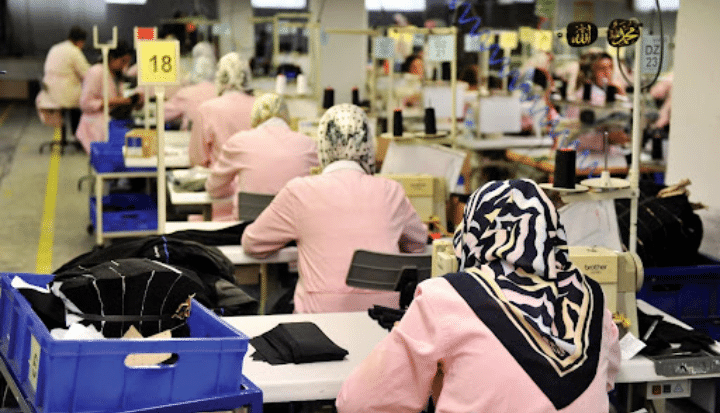
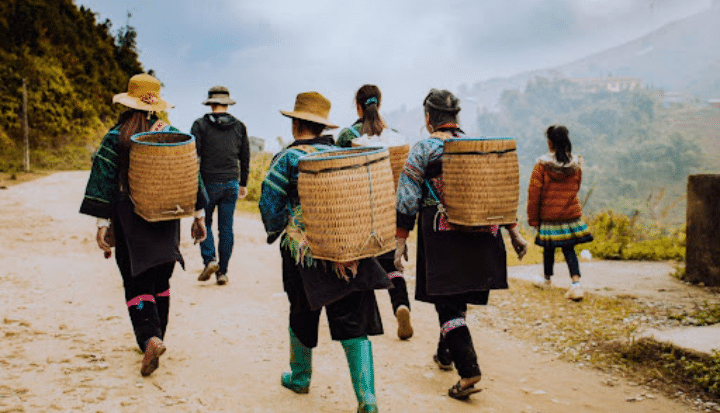
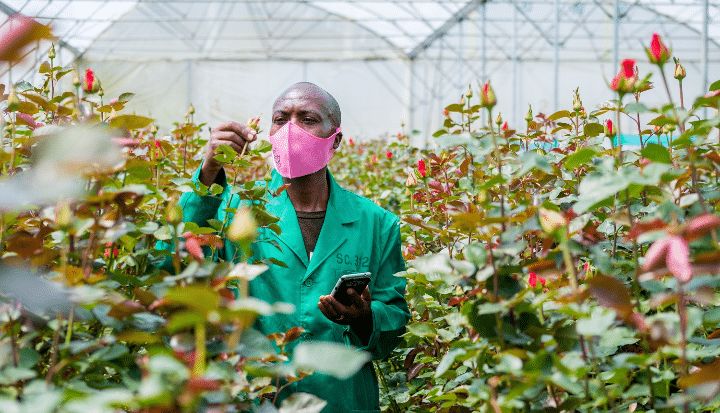
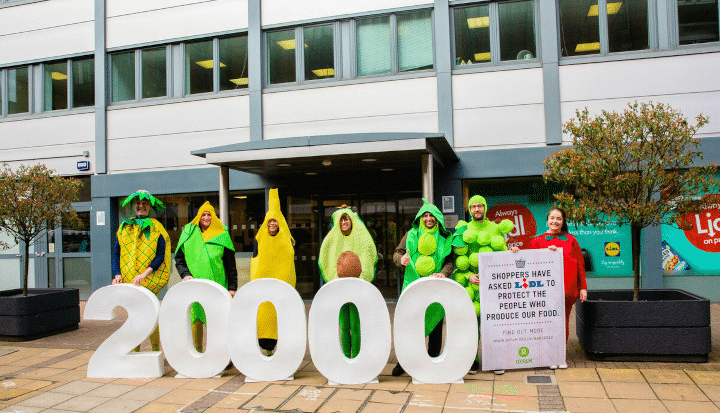
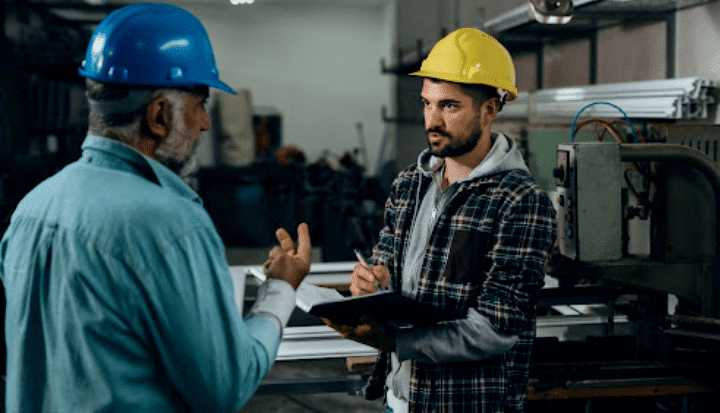
Ensuring corporate respect for human rights is fundamentally about people. To ensure that their actions to prevent and address human rights harm are effective, it is essential that companies engage with affected people and communities. Unfortunately, most companies are failing to undertake such stakeholder engagement.
ICRW explain how food systems unleash women’s full potential to advance sustainable businesses and foster deeper resilience in the communities that nourish the world.
Sector-wide action across supply chains is key to making living wages a reality for workers in low-income countries, says the Fairtrade Foundation’s Naomi Somerville-Large.
From new gender policies to commitments on living wages, Oxfam have come a long way since they published its first supermarkets scorecard in 2018. Radhika Sarin explains what does the 2022 scorecard reveals and what more must be done.
Farmer-centered agricultural value chains are a critical pathway to help vulnerable people provide nutritious food for their families and communities, while earning a Sustainable Living Income. Heifer Impact Capital is working to transform value chains that traditionally exclude farmers by deploying financing to optimize local value chains to keep income in the pockets of farmers.
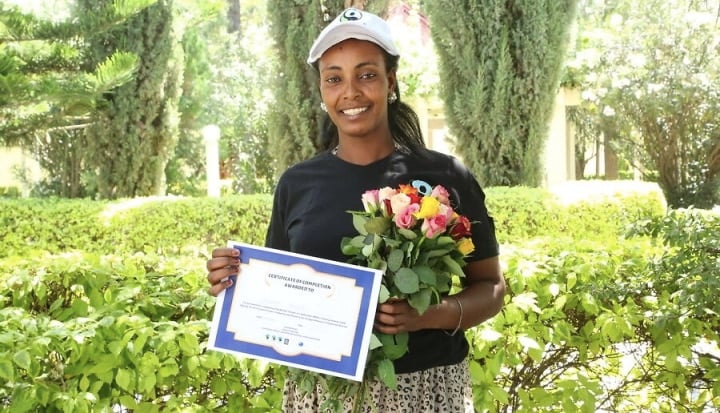
This International Women’s Day, Fairtrade Foundation spotlight how their relationship with Aldi UK went from sourcing to becoming longstanding programme partners, and how it has supported women, including Meseret Teshome who didn’t have the opportunity to progress with her education when she was young.
Cesar and Jiselle share some of their 30 plus years of experience working on women’s empowerment. Together they have recently been working on ‘gender transformative approaches.’ Cesar and Jiselle deep dive into what this means and the practicalities of implementing gender transformative approaches – for businesses everywhere, across value chains.
The inequalities experienced in the world of work for women with disabilities (WWDs) are significant and need to be addressed. Employability data for WWDs are hard to obtain locally, and where data is available the labour market participation rate of WWDs is lower than that of the general population.
The Rabeha programme, run jointly by the United Nations Industrial Development Organization (UNIDO) and UN Women, aims to significantly boost women’s economic empowerment in Egypt by mid-2024.
Inclusive Businesses are uniquely equipped to improve gender equality. As commercially profitable, yet impact-driven companies, they follow the market and their social vision. Both paths lead towards women empowerment.
Almost two trillion dollars is being invested in ESG investment vehicles annually. And yet to date the instruments for investing and tracking the impact of the social dimensions are weak. The Citi-SOPHIA Oxford collaboration has uncovered a robust way to improve this.
Parental leave is just one of many topics that workers in factories needs to learn more about. With 16 weeks stipulated by law it is quite generous from an international perspective, but with many factories lacking effective training tools, and many workers unable to read and write, this is sadly often missed.
Justin lays out simply, why businesses need to understand their social and environmental impact and take action on them, if they want a future. And how business leaders need to show up, not show off at international forums.
A new assessment shows that just 1% of the world’s most influential companies are demonstrating the fundamentals of responsible business conduct. Dan Neale outlines what needs to change for the private sector to address rather than add to growing inequality.
Forced labor, also referred to as modern slavery, is one of the most pervasive issues facing supply chains today. For our part to contribute to these efforts, Quizrr has launched a global initiative to eradicate forced labor in supply chains with the support of funding from The Walt Disney Company’s Supply Chain Investment Program.
Markus Dietrich, celebrates his 10th anniversary in the inclusive business community and reflects on the journey of the once ‘new paradigm for doing business’. How far did we get since then? Did IB end up on the dust heap of history as another management concept that was overtaken by another school of thought? Looking at the management literature one could almost think so, as now the net-positive company is being proclaimed as the new kid on the block. But IB has proven very resilient; there is even a fair share of IB in the net-positive company.