Climate Action

Climate Action to Alleviate Poverty

As COP30 unfolds in Brazil, the world faces a pivotal moment. We have missed the 1.5°C target, and while the race to decarbonise is intensifying, emissions cuts alone will not create resilient economies or equitable livelihoods. The Partnership Collective argues that to truly move beyond net zero, we must redesign the systems that connect people, nature, and business so that all can thrive.
icon-content-article-grey
How can businesses meet growing demands for credible climate action? As COP30 nears, this article explores how robust sustainability systems—like those championed by ISEAL—are helping companies navigate Scope 3 emissions, build trust, and drive just transitions. Learn how standards, traceability, and inclusive frameworks are shaping a resilient and transparent global climate response.
icon-content-article-grey
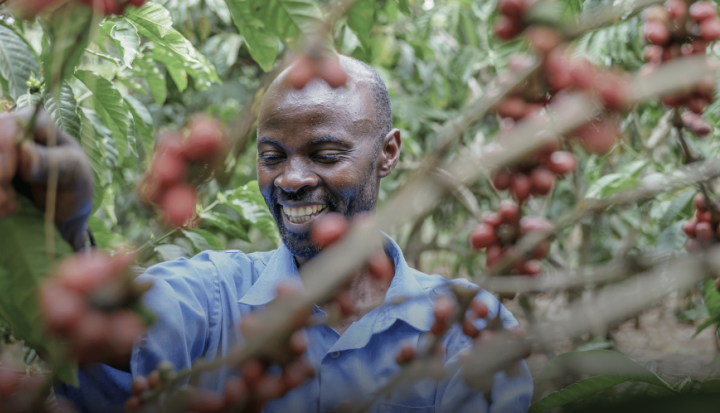
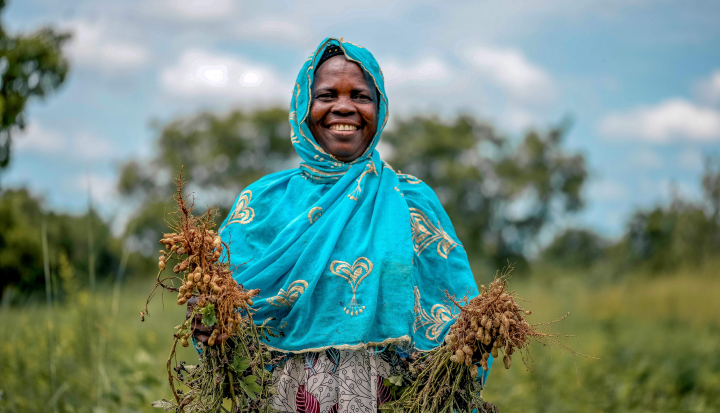
As climate change intensifies, Shared Interest supports farmers in East Africa with fair finance and training to build local resilience. From vegetable producers in Rwanda to coffee growers in Uganda, the focus is on community-led adaptation and climate-smart farming. Putting people at the centre of climate action is key to sustainable, inclusive progress.
icon-content-article-grey
The human toll of climate impacts presents specific challenges for women workers and their communities, especially in climate-vulnerable countries. Climate action and investments must not only focus on mitigation but also address the unique impacts on women and the connection between workplace and community across issues like women’s health, violence, migration, forced labor, among others. 
icon-content-article-grey
Agroecology is a powerful pathway to climate-resilient, sustainable food systems. Brenda Huerta of Fairtrade International explores how soil health, biodiversity, and farmer agency are interconnected, highlighting successful examples from banana cooperatives in Latin America. As COP30 approaches, she calls for bold investment in agroecology as a foundation for social justice, environmental regeneration, and resilient livelihoods.
icon-content-article-grey
How can we unlock climate finance for the world’s most fragile regions? Nuru is showing the way with a model that supports professional cooperatives to lead nature-based solutions. Backed by blended finance and delivering over 80% of carbon revenues to local communities, Nuru’s “resilience corridors” offer a blueprint for stability, sustainability, and shared prosperity.
icon-content-article-grey
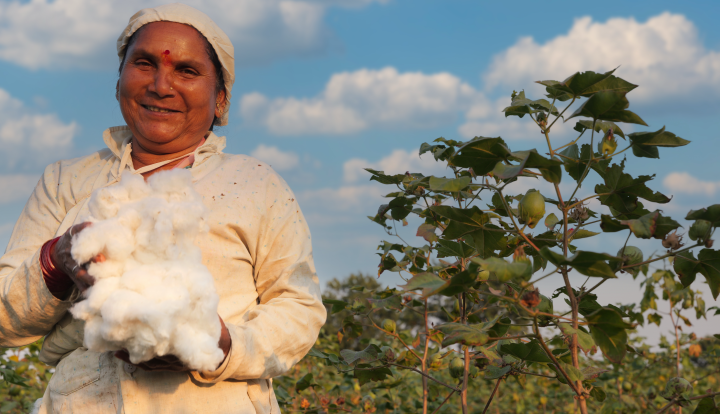
This article explores how smallholder cotton farmers can build long-term prosperity through traceability, climate resilience, and inclusive supply chains. Highlighting CottonConnect’s approach—from regenerative farming to digital tools—it makes the case that empowering farmers is essential to global sustainability. When farmers thrive, businesses prosper—and prosperity becomes a shared outcome.
icon-content-article-grey
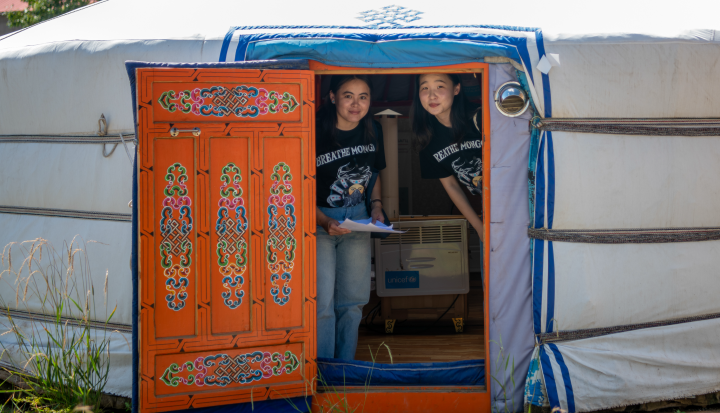
The Iris Prize 2025 celebrates young environmental leaders driving change in Mongolia, Mexico, and the Philippines. With £718,000 in support since 2022, the award funds youth-led projects tackling air pollution, river restoration, and marine conservation. The initiative highlights the urgent need to back youth innovation for a sustainable future.
icon-content-article-grey
At this year’s Business Fights Poverty Global Goals Summit, a number of sessions turned their attention to the launch of our new Five Bridges to 2045: How Business Can Build a Fairer, More Resilient Future. Eighteen experts from our global network took part in online sessions and an in-person event hosted with Barclays in New York, where representatives from Ikea, Natura, Vodafone Foundation, ABF Sugar and Fundación Paraguaya shared their perspectives on how to bring the report’s vision of embedding social impact and sustainability into core business closer to reality.
icon-content-article-grey
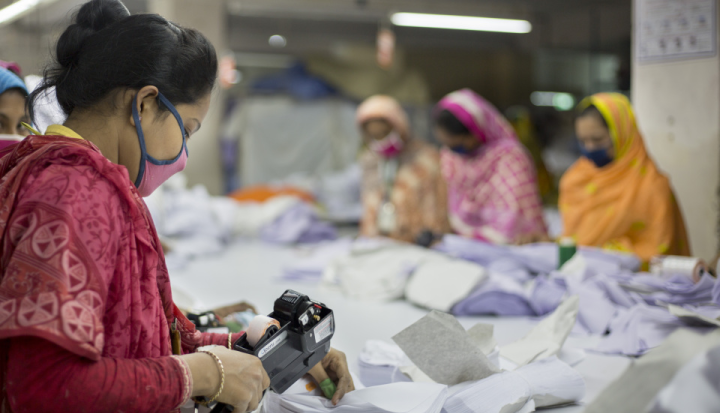
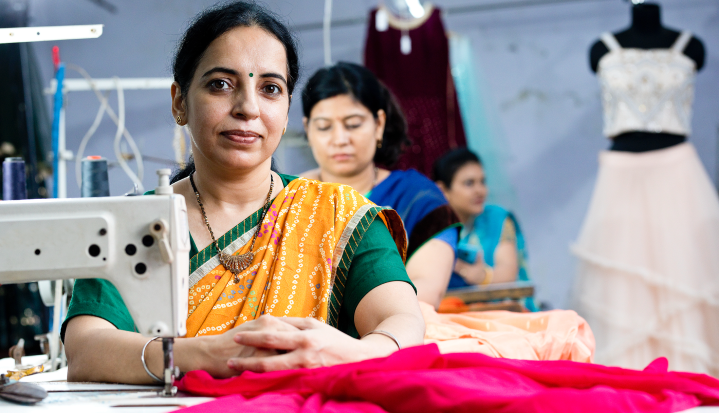
Climate change is already harming garment workers—especially women—through extreme heat, flooding, illness, lost wages, and increased violence. RISE’s new research reveals how climate risks cascade through workers’ lives and offers actionable steps for brands and manufacturers. The call is clear: climate action in the garment sector must start with listening to workers.
icon-content-article-grey
Social Impact Pioneers: Penelope Gregoriou & Muhammad Hassan Dajana explore how the young leaders reshape climate action & social innovation
icon-content-podcast-grey
A project to build the resilience to climate change of coastal communities in Sierra Leone, and a partnership with world-leading researchers on how the private sector can contribute to a fair and just energy transition, are just two examples of AXA XL’s work on social impact. As part of managing the risks and seizing the opportunities of the transition and navigating the extreme weather events from a changing climate, AXA XL are working to deliver positive social impact for people and communities around the world and accelerate an inclusive transition.
icon-content-article-grey
The EU Green Claims Directive (GCD) will outlaw false environmental claims, regulating consumer trust, truthful business and meaningful sustainability action. Credible sustainability systems will be vital in corporate adaptation to the GCD. Influencing companies’ claims work, they can create positive impacts for people and planet. In Part Two of ISEAL’s credibility series, Vidya Rangan, Policy and Engagement Director and Patrick Mallet, ISEAL’s Innovations Director, reveal why credible claims are so vital.
icon-content-article-grey
In this episode, we welcome Social Impact Pioneer Josh Wheeler — founder of Be Broadcast, award-winning broadcast PR strategist, and one of the UK’s leading voices on reshaping how we talk about climate change and how to move the conversation from climate fear, stalling and inaction, to something everyone can take positive action on.
icon-content-podcast-grey
Credibility is the key to unlocking crucial sustainability impacts. Embedding trust and confidence, credible sustainability systems help governments and businesses address today’s most urgent challenges. Patrick Mallet, ISEAL’s Innovations Director, explains what credibility is and why it’s so important.
icon-content-article-grey
To stay resilient and impactful amid climate challenges, businesses must embrace a systems development approach. This article explores how Market Systems Development (MSD) can align business incentives with environmental goals, helping SMEs access ESG support and scale sustainable practices. MSD isn’t just a method—it’s a mindset for long-term, inclusive climate action and economic growth.
icon-content-article-grey
With the impacts of climate change exacerbating health inequalities, how can businesses promote health equity through their climate action? Partnership for Southern Equity relates how it worked directly with healthcare professionals to advance climate and health equity, and introduces four practical steps outlined in the new Centering Health Equity in Climate Action Toolkit for Businesses.
icon-content-article-grey
Garment workers, particularly women, face growing risks from climate extremes, threatening their health, wages, and livelihoods. A climate-responsive worker insurance program—funded by fashion brands, suppliers, and governments—could provide crucial protections, ensuring financial security and resilience. As climate risks intensify, the fashion industry must prioritize worker-centered solutions for a just transition and sustainable supply chains.

icon-content-article-grey
As we enter 2025, the impacts of climate change are ever more prominent everywhere we look – especially for smallholder farmers. While there are no easy fixes to the climate challenges we face, there are solutions. This blog explores innovative business approaches to draw down CO2 and create new economic opportunities in areas of poverty.
icon-content-article-grey
Climate change and biodiversity loss are deeply interconnected crises driven by unsustainable development. Aligning global goals from COP16 and COP29 presents a critical opportunity to tackle these issues together. Practical Action advocates for funding frontline communities, empowering Indigenous leadership, and adopting integrated solutions to protect ecosystems, combat climate impacts, and build a sustainable future for people and the planet
icon-content-article-grey

What do we mean by "Climate Action"?

Learn how targeted climate action can alleviate poverty by reducing vulnerabilities and promoting sustainable practices that ensure community resilience.

Sub-topics within this category

There are no sub-topics within this Category.