Economic Development

Economic Development Strategies to Combat Global Poverty

As the World Bank’s Spring Meetings begin, a vital question returns: is GDP growth enough to improve lives? This article argues for a more useful lens, combining economic growth with multidimensional, household-level poverty data. Drawing on fresh evidence, it shows how better measurement can drive smarter policy and more inclusive, lasting gains in wellbeing.
icon-content-article-grey
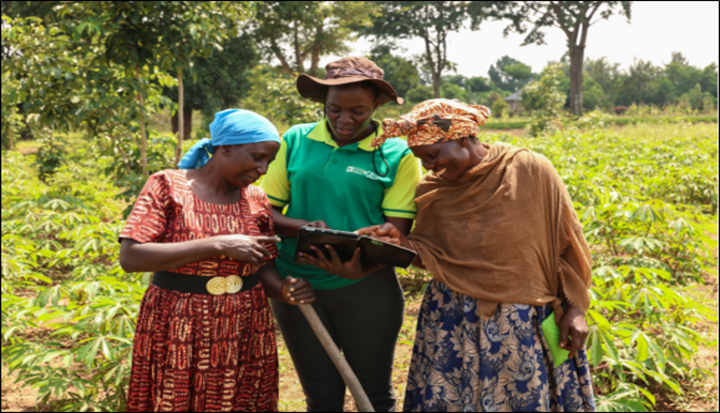
Strong partnerships are essential to building resilient, climate-smart supply chains. Drawing on ofi and GIZ’s multi-year collaboration, this article shares five practical lessons for empowering women farmers at scale. From aligning around shared challenges to designing inclusive, long-term programmes, it shows how partnership can unlock livelihoods, strengthen value chains and drive measurable impact.
icon-content-article-grey
Meet Social Impact Pioneer, Fernanda Facchini. She is part of the team at Natura, the Brazilian multinational cosmetics company, who are pioneering sustainable and ethical beauty products while driving regenerative practices in the Amazon rainforest. This conversation deep dives into what it takes for a commercial business to deliver social and environmental impact from its heart.
icon-content-podcast-grey
Why do so many impact ventures fail to scale sustainably? The Billions Burned webinar series explores how Lean Startup and patient capital models can undermine long-term success in “build to hold” ventures. It argues that structural cost-to-value barriers – not lack of effort or money – drive failure, and highlights the need for new innovation frameworks that prioritise profitability, resilience and real-world impact.
icon-content-article-grey
New research offers practical approaches to strengthening traceability and supporting smallholder inclusion at the start of agricultural supply chains. Jessica Fryer from ISEAL discusses the research findings and what this means for building resilient and inclusive supply chains.
icon-content-article-grey
Supply chain resilience begins at the household level. Drawing lessons from the cocoa sector in West Africa, this article explores how strengthening women’s financial inclusion, decision-making power and access to savings groups can stabilise farming families and reduce risks across global supply chains. When households become more resilient, companies gain stronger, more reliable and sustainable supply systems.
icon-content-article-grey
Listen in to this podcast episode to hear from Social Impact Pioneer Marike Runneboom de Peña, Interim CEO of Fairtrade International, about why this moment is a turning point for fair trade and global supply chains.
icon-content-podcast-grey
Grant funding has long been the default tool for businesses wanting to fight poverty and support global causes. But a growing number of corporate leaders are making a different choice. Impact investments are investments made with the intention to generate positive, measurable social and/or environmental impact alongside a financial return. Here are five reasons businesses are moving their CSR strategies beyond traditional grantmaking.
icon-content-article-grey
As crises deepen and resources shrink, social impact leaders must do more with less. This article explores how systemic partnerships and responsible AI can unlock efficiency, scale and collaboration. By combining human-centred approaches with technology and trust, businesses and organisations can remain ambitious while driving meaningful progress on poverty, climate and inequality.
icon-content-article-grey
Businesses face growing pressure to turn sustainability insight into action, yet fragmented evidence often slows progress. The Business Fights Poverty Institute bridges this gap by combining academic rigour with real-world expertise to deliver practical, actionable guidance. By enabling collaboration across sectors, it helps companies build resilient, inclusive strategies to tackle global challenges effectively.
icon-content-article-grey
How do we finance renewable energy in the places where it can have the greatest impact? Meet two visionary leaders and Social Impact Pioneers driving solutions: Lassor Feasley, co-founder and CEO of Renewables.org, and Ruchir Punjabi, co-founder and CEO of Distributed Energy
icon-content-podcast-grey
Forced labour in supply chains is no longer just an ethical issue, it is a growing competitiveness challenge for UK businesses. As global regulations tighten, responsible sourcing is becoming essential for market access, resilience and investor confidence. Stronger frameworks can protect workers, level the playing field and position the UK to lead in sustainable, high-integrity global trade.
icon-content-article-grey
The Social Impact Landscape for Business: Planning for 2026 This paper explores how businesses can navigate an increasingly complex and polarised social impact landscape
insights-icon
What is working for social impact professionals in 2026 As social impact becomes increasingly politicised and misunderstood, how organisations communicate is critical to sustaining
insights-icon
What is working for social impact professionals in 2026 As social impact professionals face rising uncertainty, funding pressures and shifting political dynamics, the ability
insights-icon
How can companies strengthen livelihoods through their value chains? As businesses face rising pressure to deliver fairer and more resilient value chains, livelihoods can
insights-icon
How are current social and environmental challenges disrupting livelihoods? As climate change, AI, demographic shifts and displacement reshape labour markets, the challenge is not
insights-icon
Watch this Workshop on how companies can strengthen livelihoods through their value chains, including suppliers, distributors and employees. Through an interview-style panel and table
icon-content-video-grey
Watch this Workshop which explores the biggest disruptive forces reshaping livelihoods, including AI and climate change. Take a deeper look at the impacts on
icon-content-video-grey
AI is helping women entrepreneurs save time, but not yet unlock the full growth potential of their businesses. Drawing on research across 3,000 women entrepreneurs in 66 countries, this article explores why AI adoption remains concentrated in marketing and communications, and what targeted action is needed to turn AI from a helpful tool into a genuine driver of resilience, productivity and growth.
icon-content-article-grey

What do we mean by "Economic Development"?

Explore how economic growth can significantly reduce poverty through innovative business initiatives and strategic planning. Join us in making a difference.

Sub-topics within this category