Case Studies

Through our purpose to ‘Re-imagine Global Agriculture’, Olam aims to address the many challenges involved in meeting the needs of a growing global population, while achieving positive impact for farming communities, our planet and shareholders.
icon-content-article-grey
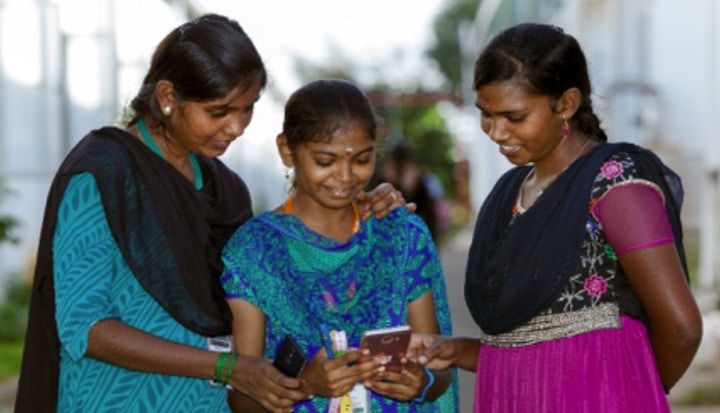
Across the globe, factories that pay workers digitally are five times more likely to follow exemplary social and labor practices than those that pay with cash or checks. The data comes from the Higg Index from nearly 3,000 factories across 58 countries, representing 85 brands and retailer supply chains.
icon-content-article-grey
A conversation with Martha Estrada, owner of SuperCo of Guatemala City, and a Bpeace Fast Runner, and Nat Love, a U.S. retail expert and a Bpeace Skillanthropist.
icon-content-article-grey
Digital technologies are opening up new possibilities to help companies develop better solutions to predict, prevent and respond to human rights abuses in their value chains. But what does this mean for companies in practice? What can some of these new technologies tangibly be used for as far as business and human rights are concerned?
icon-content-article-grey
When CARE approached Diageo about assessing the extent to which they were tackling violence and harassment across their whole business, they agreed. How, they wanted to know, can business move from risk mitigation to creating a safe and dignified environment where employees are proud to come to work?
icon-content-article-grey
Tokyo based LIXIL, maker of pioneering water and housing products, believes that creating solutions for the 2.3 billion people that still don’t have access to basic sanitation is an opportunity to solve one of the world’s greatest social challenges, and to do so sustainably by helping to develop a future market.
icon-content-article-grey
Unilever and Standard Chartered PLC, both Business Fights Poverty Business Leaders Group members, have received awards at the Thomson Reuters Foundation’s annual human rights forum, Trust Conference.
icon-content-article-grey
Market-based solutions to sanitation can make a huge difference to the lives of the poorest urban citizens. Creating financially viable businesses is challenging, but the sector has taken real steps forward. This blog presents examples of how we can unlock the potential of the private sector to help drive progress.
icon-content-article-grey
Who will step up to address the very real liquidity gap that stands between poor households and their first toilet in Cambodia? iDE believes that local, friendly latrine businesses are best placed to provide non-interest bearing payment facilitation to households in their community. Read how iDE is seeking to unlock this sanitation supply-led financing at a larger scale.
icon-content-article-grey
Microloans help millions of families start and expand businesses, purchase essentials, and support their children’s education. Over the past decade, IFC has helped create a market for microfinance in India by investing $564 million in equity and debt.
icon-content-article-grey
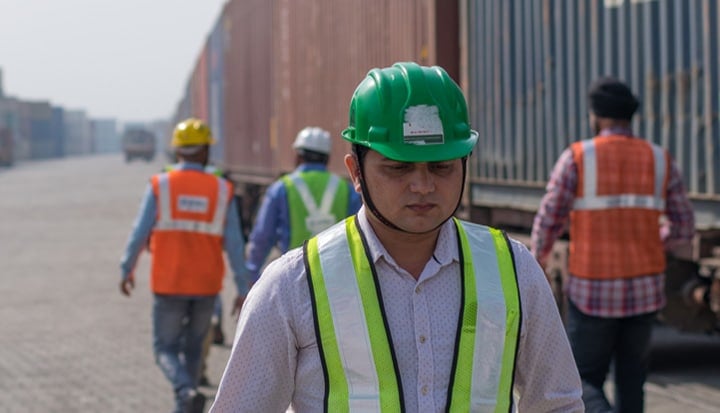
High ESG standards in logistics can make the difference when it comes to economic development in northern India.
icon-content-article-grey
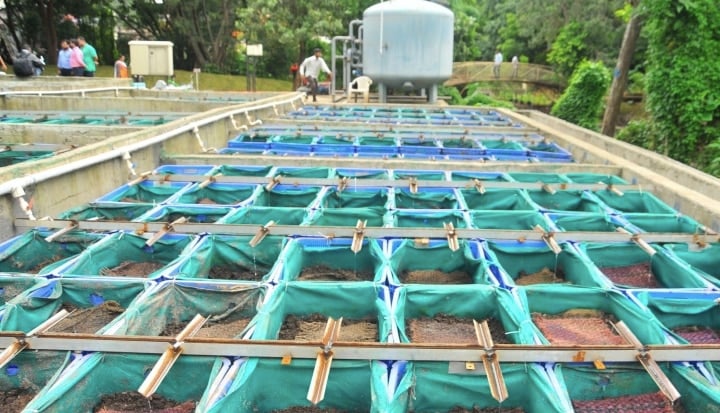
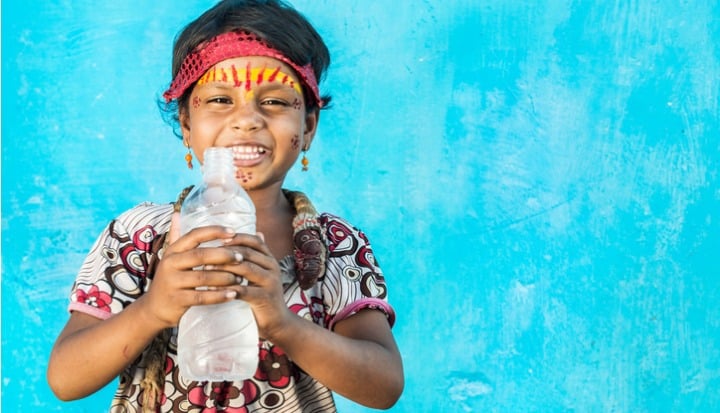
Jon Shepard shares why he see grounds for optimism in reaching the UN Sustainable Development Goal of equitable access to safe, affordable drinking water for all by 2030. In particular the growing number of impact entrepreneurs who are innovating new models for the scalable and sustainable provision of safe water in underserved communities.
icon-content-article-grey
Eli Lilly and Company and its partners are applying lessons learned in lower- and middle-income countries to the fight against chronic disease with cost-effective strategies in the USA; as a result, pioneering public health approaches developed in India can help keep people healthier in Indiana.
icon-content-article-grey
Mamadou Beye, Government and Public Affairs General Manager at Chevron discusses Chevron’s Global Memorandum of Understanding (GMoU) partnership approach in the Niger Delta, with insights on how the GMoU community impact model has empowered conflict resolution and encouraged locally-developed economic initiatives
icon-content-article-grey
TechnoServe share insights from their Innovation in Outcome Measurement (IOM) project— a two-year program to develop and test cheaper, better, and faster ways of collecting key agricultural data— partnered with the International Livestock Research Institute (ILRI) and the Kenya Markets Trust (KMT) to evaluate creative new ways of providing commercial agro-vet services to pastoralists.
icon-content-article-grey
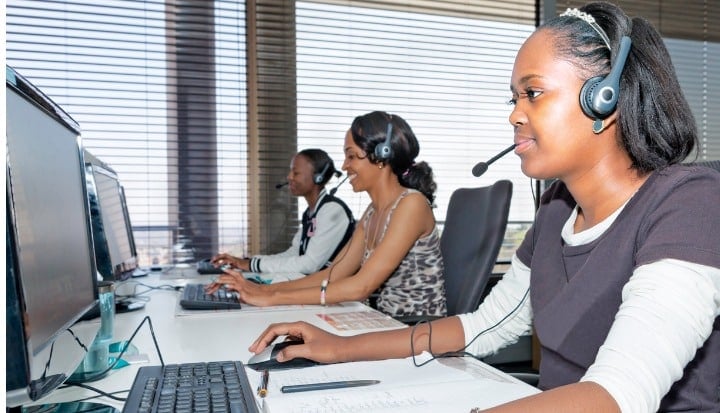
The Impact Sourcing Challenge is the first of its kind to specifically focus on escalating impact sourcing as a way to increase employment and career development opportunities for disadvantaged workers.
icon-content-article-grey
Technoserve share their case study on innovative models for creating a profitable agribusiness that builds wealth in small farming communities of East Africa. Learn more about Kenyan agribusiness Akili Group, a firm using information and communication technology to improve upon the traditional out-grower models.
icon-content-article-grey
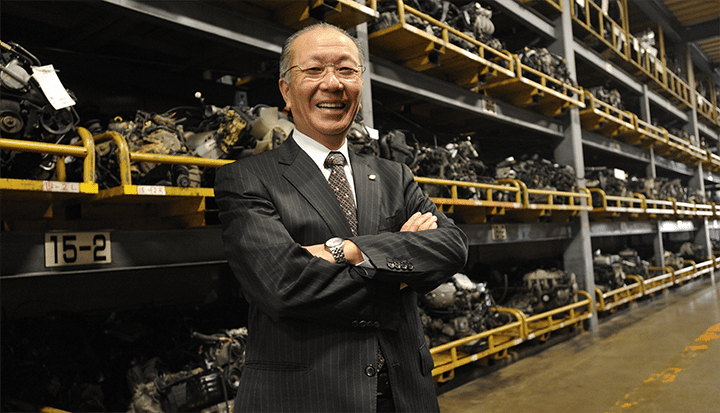
Kaiho Sangyo, a Japanese automobile recycling company, joined Business Call to Action in December 2017 with a pledge to establish an eco-friendly auto recycling value chain in Brazil. As part of this commitment, it will develop the skills of 15,000 recycling engineers and expand 20 existing recycling businesses, including local garages and repair shops.
icon-content-article-grey
What if every farmer knew exactly what each of her plants needed—the amount of water, the quantity and formula of fertilizer, the type of pesticide—at any given moment? This is the promise of precision agriculture, in which micro-level data is gathered by drones or satellites and used to enhance decision-making on the farm.
icon-content-article-grey
Today, on the UN’s World Day Against Child Labour, Olam take the opportunity to share some of the challenges faced in combating child labour in cocoa and where they, as the world’s leading exporter of cocoa from Africa, are focusing their efforts to eradicate child labour in their supply chain.
icon-content-article-grey

What do we mean by "Case Studies"?

Sub-topics within this category

There are no sub-topics within this Category.