Sustainable Development

Advancing the Sustainable Development Goals

Join us for this live written panel discussion to explore Diversity and Inclusion and Climate Change: spreading the benefits and burdens fairly. This event is part of an online discussion series from April-May 2022 to inform business action at COP 27, Egypt, Nov 7-18. LIVE Panel Thursday 5 May, 10am-11am EST/ 3pm-4pm BST
forum_grey
Join us for this live written panel discussion to explore How can a company’s climate change commitments be better informed by those most impacted? This event is part of an online discussion series from April-May 2022 to inform business action at COP 27, Egypt, Nov 7-18. LIVE Panel Thursday 12 May, 10am-11am EST/ 3pm-4pm BST
forum_grey
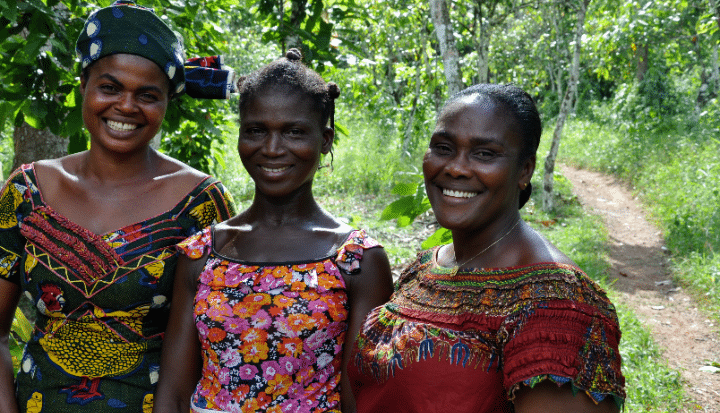
Ewi Stephanie Lamma works directly with women who rely on forests, and speaks movingly of their breakthroughs as women. She stresses the benefits of women’s environmental leadership to the wider community, quoting the Cameroonian proverb: “If you train a man, you have just trained one person. If you train a woman, you have trained a nation.”
icon-content-article-grey
Fairtrade is a critical tool for achieving gender equality and fairness. And it is why Fairtrade certified cooperatives do better than non-certified ones in women’s representation in leadership positions. But we cannot do it alone. Businesses everywhere must enact policies that support gender equality on the ground, in their supply chains, and in their boardrooms.
icon-content-article-grey
Farmer-centered agricultural value chains are a critical pathway to help vulnerable people provide nutritious food for their families and communities, while earning a Sustainable Living Income. Heifer Impact Capital is working to transform value chains that traditionally exclude farmers by deploying financing to optimize local value chains to keep income in the pockets of farmers.
icon-content-article-grey
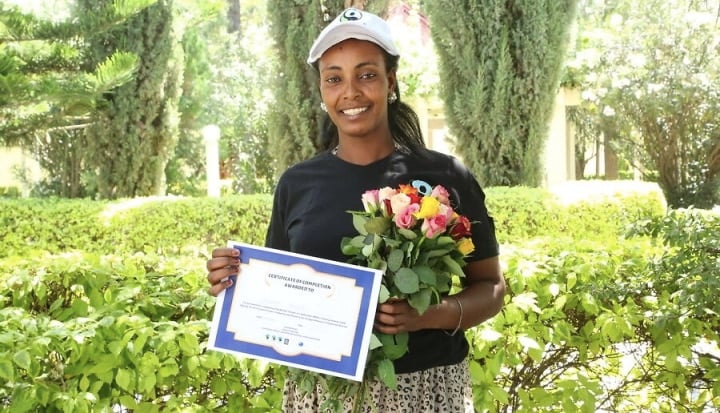
This International Women’s Day, Fairtrade Foundation spotlight how their relationship with Aldi UK went from sourcing to becoming longstanding programme partners, and how it has supported women, including Meseret Teshome who didn’t have the opportunity to progress with her education when she was young.
icon-content-article-grey
Cesar and Jiselle share some of their 30 plus years of experience working on women’s empowerment. Together they have recently been working on ‘gender transformative approaches.’ Cesar and Jiselle deep dive into what this means and the practicalities of implementing gender transformative approaches – for businesses everywhere, across value chains.
icon-content-podcast-grey
Mars has long-standing commitments to act on climate change and empower women. Now, the company is connecting these two areas of focus. In this article, Lisa Manley explains why women are at the core of climate resilience and how companies can support them.
icon-content-article-grey
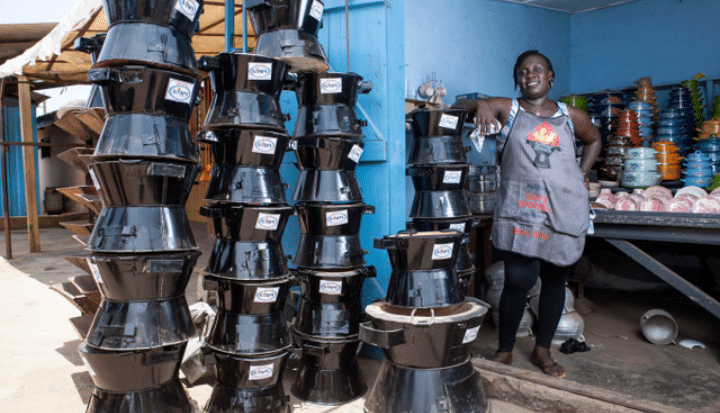
Gyapa is one of the largest and longest running cookstove projects in the world. Ann Koontz, CEO at Relief International, shares her reflections and advice on how this carbon reduction project has progressed over 10+ years and how her partnership with ClimateCare has given vital access to carbon finance enabling her to scale the project’s impact.
icon-content-article-grey
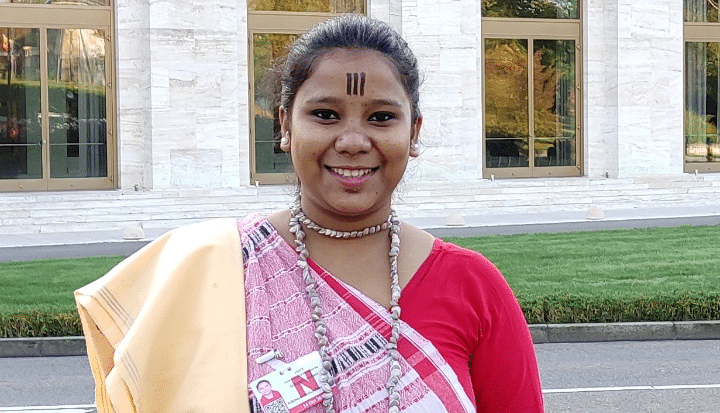
Climate and gender activist Archana Soreng reflects on the contrast between the indigenous world view she grew up with, which sees people as part of nature, dependent on it and with an obligation to protect it, and a developed world view of nature as a commodity, to be harvested at a profit.
icon-content-article-grey
Jane Sabuni, Country Director at Hand in Hand Eastern Africa Tanzania, explains how working with men helps to challenge gender bias in rural Tanzania – with support from Cartier Philanthropy
icon-content-article-grey
Sustainability is justifiably the theme of this year’s International Women’s Day and the latest report from the Intergovernmental Panel on Climate Change (IPCC), published on 28/2/22, confirms what Fairtrade farmers have long been aware of: the climate crisis is here, it is real, and it is threatening. But by developing ‘value-add’ products, rather than solely raw commodities could offer a solution to people’s livelihoods.
icon-content-article-grey
Victorine Owino transformed the savings and credit cooperative she manages into a thriving business hub in southwest Kenya, connecting local poultry farmers to training, financing and high quality supplies. Her journey from volunteer to manager is a testament to the transformative potential of women in leadership roles. And she’s now opening doors for others’ success.
icon-content-article-grey
During the conversation we explore why anchoring climate change as a humanitarian disaster is essential; how our producers and farmers are climate mitigation and resilience pioneers; and what you can do next to better partner for impact.
icon-content-podcast-grey
Justin lays out simply, why businesses need to understand their social and environmental impact and take action on them, if they want a future. And how business leaders need to show up, not show off at international forums.
icon-content-podcast-grey
Join us for free at our virtual Gender Summit 2022, on 8 and 9 March, to explore the issues of gender equity and resilience, and the importance of women’s leadership in driving change. The event coincides with International Women’s Day and its theme of “gender equality today for a sustainable tomorrow”. Access practical insights, the latest thinking and inspiring examples from experts and practitioners, and connect with like-minded people to explore opportunities for collaboration.
icon-content-article-grey
This session explored the central theme of International Women’s Day – the important role that women leaders are playing in driving a more sustainable
icon-content-video-grey
In January, UNICEF Italy launched BZR, a new fundraising platform developed as part of Next Generation, a laboratory for new disruptive solutions of partnerships and fundraising. BZR is a virtual marketplace where fashion companies and influencers sell their unused products, and all profits go directly to fund UNICEF programmes in Afghanistan. 
icon-content-article-grey
Last year, Mars’ Farmer Income Lab estimated that up to 70% of the smallholder farmers in agri-food supply chains – more than 122 million people – may be living below the global poverty line of $3.20 per day. Mars, like any agri-business, relies on the work of these farmers around the world who produce the ingredients that go into our products, such as cocoa, rice and mint. This is why eradicating poverty in supply chains is a significant challenge that must be urgently addressed.
icon-content-article-grey
Engage with our featured content to discover the value of regenerative agriculture, and how companies, NGOs and farmers are utilising this approach to create profit, gender-inclusivity and climate resilience.
icon-content-article-grey

What do we mean by "Sustainable Development"?

Join us in advancing the Sustainable Development Goals to combat poverty through innovative and scalable solutions that drive global progress.

Sub-topics within this category