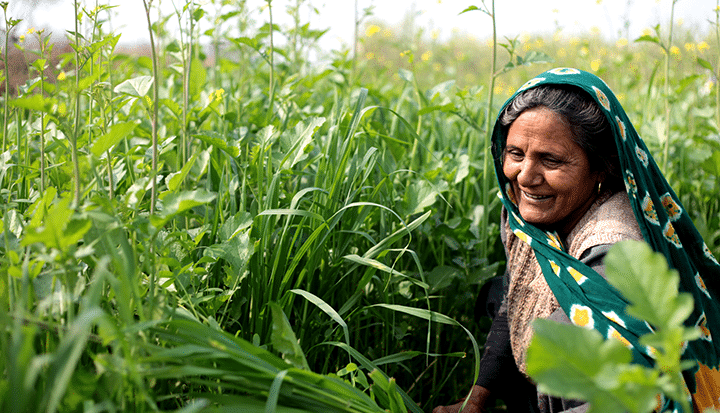
Biomass Supplies, a Sri Lankan subsidiary of Biomass Group – the visionary renewable energy company – is developing Sri Lanka’s abundant sustainable energy resources through innovative partnerships with the country’s smallholder farmers.
By defining and disaggregating the ways investments empower women, beyond the very rudimentary criteria of solely investing in women, gender lens investing is helping to create frameworks and tools for the industry as a whole.
Mastercard believe that merchant acceptance is key to financial inclusion. Here they discuss advancing payment acceptance at the base of the pyramid and how new product solutions, business models and partnerships can advance both electronic payments and financial inclusion.
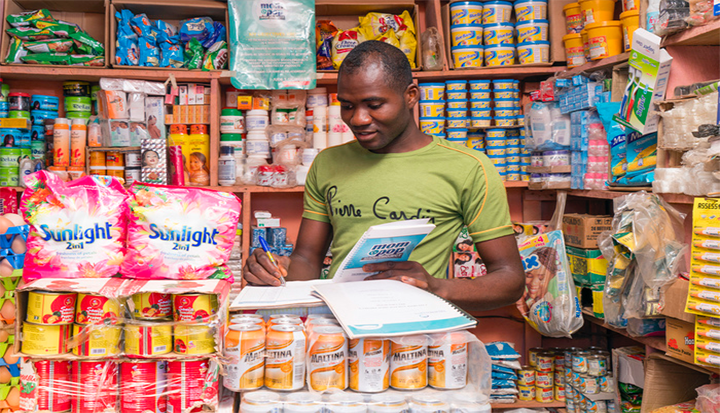
The Mom and Pop Shops Project, a partnership between TechnoServe, the Citi Foundation’s Pathways to Progress initiative, the elea Foundation, and others, aims to address skills gaps for micro retailers around Nairobi and Abuja. Here Technoserve share their insights about how to help micro-retailers become engines for local growth.
In the westernmost corner of Uganda, something interesting is happening. This rural area of Uganda is challenging perceptions of how refugees can contribute to the local economy. West Nile in Uganda is home to hundreds of thousands of South Sudanese refugees, and together with their Ugandan host communities, they are beginning to drive growth.
Affordability is at the core of much of CDC’s work as impact investors – from affordable electricity to housing, food, healthcare, education and many more. Yet ask someone to define what it means, and you may be met with little more than a blank stare.
Bangladeshi garment company DBL Group are supporting career progression of its female employees through an accelerated leadership training programme. They share their experience of implementing the programme and the positive impact it’s had on both female employees and the business.
The Global Distributors Collective (GDC), with over 100 last mile distributors and 30 supporting partners from across the distribution sector, have launched a Call to Action publication, which provides guidance and insight on the key challenges faced in last mile distribution and the opportunity to achieve impact through the GDC.
Food loss in the supply chain, the shift to a less-nutritious fast-food diet and wasteful irrigation techniques are among the most important challenges currently facing the food and agriculture system in the MENA region. Read how BCtA companies are serving as positive examples for inclusive businesses in the region.
The mobile industry is playing a crucial role in achieving SDG 7: Universal energy access by 2030. New models to deliver energy to underserved consumers are emerging out of a convergence between mobile payments, the internet and mobile services. GSMA discuss how access to energy through mobile is changing lives
Inclusive business as an idea has pushed the boundaries of what is possible and it offers the potential for scale in a way that philanthropy never could. So why are there so few examples that have truly scaled? What needs to happen to deliver on the promise of inclusive business?
Taking a different perspective can turn the moral problem of migration into an economic opportunity – not just for migrants and refugees, but also for host country private sector and governments. Inclusive business, which works to include those living at the BOP as consumers, suppliers, and employees, can lead the way.
While Inclusive Business literature includes many recommendations on how we can create an enabling environment for Inclusive Business, actual experience or evidence is still relatively limited. This DCED report, summarises more than 100 documents with empirical experiences and emerging evidence from different communities, to explore key lessons learnt.
The promise of digital technologies can give more people access to financial services, but the ability to scale services and create revenue from these services has proven more elusive. N-Frnds and BTPN Wow, Indonesia, share their experience of helping to bring comprehensive mobile financial services to the mass market.
This World Toilet Day, Lixil, one of the world’s largest sanitary ware manufacturers share their insights on innovating for those at the base of the pyramid and why they see toilets as the next big business opportunity.
Around the world this week, governments, multilaterals, and companies are coming together to celebrate Financial Inclusion Week. It’s an opportunity to reflect on the progress that we’ve made in extending financial access to un-banked and underbanked communities, and also a time to take honest stock of how far we still…
In 1998, Pauline Kamau started her maize-milling business with a few machines in her mother-in-law’s basement in Kenya. Soon, the business grew to fill a small factory. She hoped to supply her community with high-quality maize flour, which is the local staple food, but demand outstripped her production capacity.
Digital services – with their geographic reach, ease of use, and transparency – are driving financial inclusion and alleviating poverty. But are rural women being left behind? Financial inclusion is unlocking the potential for micro and small enterprises in poor and rural communities to grow, and reducing gender inequalities. Women with access…
Justin, first of all, please introduce yourself to the Business Fights Poverty community. I work at the intersection of strategy, sustainability and innovation. I started my career as a strategy consultant, and as time went by, I began looking for ways to apply those skills to the most intractable challenges…
The 2017 SEEP Network Annual Conference will bring together leading practitioners, funders, research organizations and private sector actors dedicated to promoting more inclusive and