Climate & Environment

Environmental Strategies to Fight Poverty

Forests in cocoa-growing areas are essential to our chocolate. They make cocoa farms more productive through diversification and providing shade, and help absorb carbon emissions, helping create a balanced ecosystem in farming communities. Unfortunately, these forests are under threat. Deforestation is a pressing issue that the industry has a responsibility to address.​
icon-content-article-grey
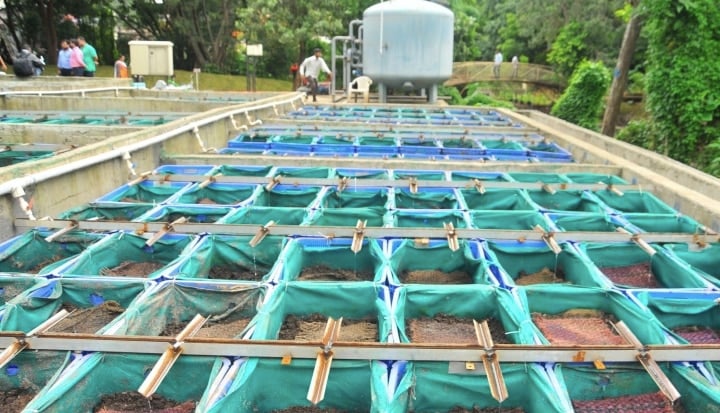
A recent report predicted that Bangalore might be the next major city to face water shortages. The National Institution for Transforming India (NITI) expects Bangalore to run out of groundwater within just two years – this is in addition to the challenges that the booming city already faces in terms of water sanitation.
icon-content-article-grey
While partnerships will always vary, one constant you can be sure of is that every new partnership is a learning opportunity. Our new venture with Tesco has been no exception. From collaboration to creativity, here are some of the key principles we learned as we went through the process.​
icon-content-article-grey
Root Capital and the IKEA Foundation are announcing a €4.8 million partnership to help 260,000 smallholder farmers in Kenya, Rwanda, and Uganda increase their income and adapt to climate change. Together with hundreds of small and growing agricultural businesses, this partnership will build the resilience of rural communities to both market and environmental shocks.
icon-content-article-grey
The UN Environment Finance Initiative’s (UNEP FI) Global Roundtable took place in Paris recently, an event dedicated to mobilising the financial sector to deliver a sustainable financial system. UNEP FI’s Positive Impact Initiative, “Rethinking Impact to finance the SDGs”, was launched, and explores avenues to closing the SDGs funding gap. ​
icon-content-article-grey
​Does the cost and complexity of partnerships mean that most organisations should focus more, and collaborate less?
icon-content-article-grey
Tokyo based LIXIL, maker of pioneering water and housing products, believes that creating solutions for the 2.3 billion people that still don’t have access to basic sanitation is an opportunity to solve one of the world’s greatest social challenges, and to do so sustainably by helping to develop a future market.
icon-content-article-grey
Market-based solutions to sanitation can make a huge difference to the lives of the poorest urban citizens. Creating financially viable businesses is challenging, but the sector has taken real steps forward. This blog presents examples of how we can unlock the potential of the private sector to help drive progress.
icon-content-article-grey
Who will step up to address the very real liquidity gap that stands between poor households and their first toilet in Cambodia? iDE believes that local, friendly latrine businesses are best placed to provide non-interest bearing payment facilitation to households in their community. Read how iDE is seeking to unlock this sanitation supply-led financing at a larger scale.
icon-content-article-grey
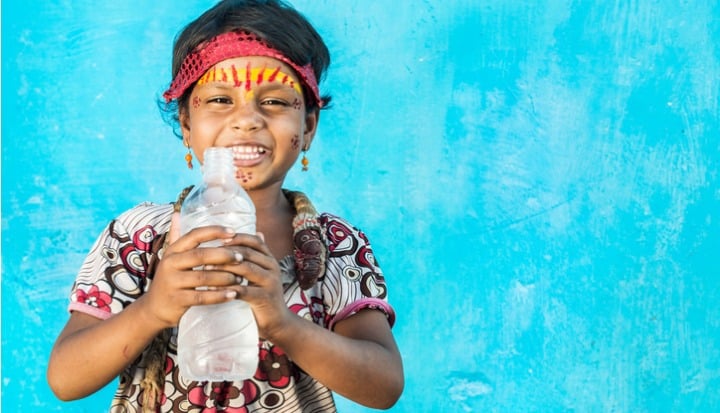
Jon Shepard shares why he see grounds for optimism in reaching the UN Sustainable Development Goal of equitable access to safe, affordable drinking water for all by 2030. In particular the growing number of impact entrepreneurs who are innovating new models for the scalable and sustainable provision of safe water in underserved communities.
icon-content-article-grey
At the recent World Water Week 2018, the Toilet Board Coalition explored the commercial and social impact opportunities for businesses willing to engage in the sanitation crisis. What exactly is the sanitation economy? And what role can business and government play?
icon-content-article-grey
The link between Fair trade and climate change is complex but interconnected. By subscribing to the former, you help alleviate the effects of the latter. Pushpanath Krishnamurthy has taken 30 million steps in support of climate justice and the fairtrade movement. Read about his remarkable journey so far.
icon-content-article-grey
The tourism industry already accounts for 10.4% GDP and employs 313 million people; find out why Hilton is on a social and environmental mission to ensure its future. Katie Hyson, Director of Thought Leadership at Business Fights Poverty interviews Daniella Foster, Senior Director of Global Corporate Responsibility at Hilton Hotels and Resorts
icon-content-podcast-grey
Marking the launch of Measuring Up, the UK Stakeholders for Sustainable Development’s (UKSSD) first stock take of progress across the UK against all the 169 targets identified in the SDGs, Business Fights Poverty’s Katie Hyson caught up with Dominic White, co-founder and co-chair of UK-SSD, as well as Head of International Development Policy at WWF-UK.
icon-content-podcast-grey
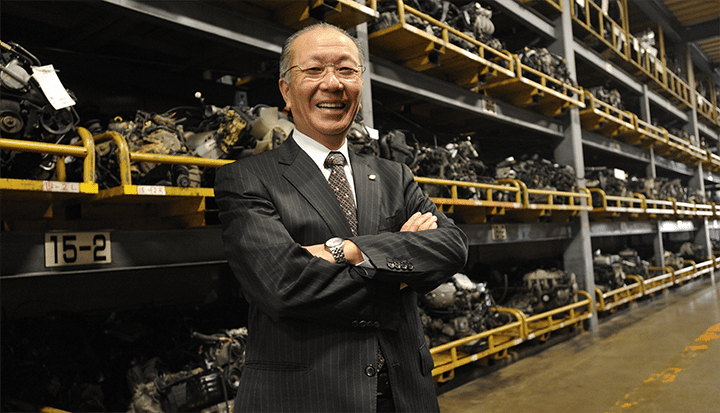
Kaiho Sangyo, a Japanese automobile recycling company, joined Business Call to Action in December 2017 with a pledge to establish an eco-friendly auto recycling value chain in Brazil. As part of this commitment, it will develop the skills of 15,000 recycling engineers and expand 20 existing recycling businesses, including local garages and repair shops.
icon-content-article-grey
To be able to adequately meet the challenge of sanitation, it is critical for the design and implementation of on-site sanitation systems to understand and account for consumer preferences. Dalberg’s research within poor urban communities points to four lived realities that on-site sanitation providers need to consider before design and rolling out their products globally
icon-content-article-grey
The Private Financing Advisory Network (PFAN) bridges the gap between investors and entrepreneurs. It identifies promising clean energy projects at an early stage and provides no-cost coaching and investment facilitation. When in place, these measures make it easier for investors to understand a project’s potential, increasing the odds that they will make an investment.
icon-content-article-grey
Business in the Community announce the longlist of companies selected for the The Unilever Global Development Award, supported by Business Fights Poverty. The award recognises businesses that demonstrate positive impact against one or more of the United Nation’s Sustainable Development Goals (SDGs).
icon-content-article-grey
By defining and disaggregating the ways investments empower women, beyond the very rudimentary criteria of solely investing in women, gender lens investing is helping to create frameworks and tools for the industry as a whole.
icon-content-article-grey
Introducing our new Challenge on Business and Refugees with support from Pearson and in partnership with UNHCR, Mercy Corps, Business Call to Action, Innovest Advisory and Thomson Reuters Foundation. The Challenge aims to strengthen the foundation for effective partnerships to improve refugees’ wellbeing and educational and livelihood opportunities so refugees can thrive, not just survive.
icon-content-article-grey

What do we mean by "Climate & Environment"?

Explore initiatives that leverage climate and environmental preservation as critical tools in the global fight against poverty.

Sub-topics within this category