Responsible Business

How do we finance renewable energy in the places where it can have the greatest impact? Meet two visionary leaders and Social Impact Pioneers driving solutions: Lassor Feasley, co-founder and CEO of Renewables.org, and Ruchir Punjabi, co-founder and CEO of Distributed Energy
icon-content-podcast-grey
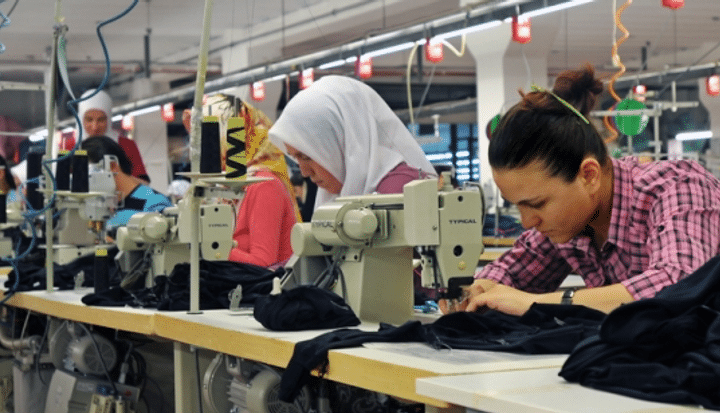
Forced labour in supply chains is no longer just an ethical issue, it is a growing competitiveness challenge for UK businesses. As global regulations tighten, responsible sourcing is becoming essential for market access, resilience and investor confidence. Stronger frameworks can protect workers, level the playing field and position the UK to lead in sustainable, high-integrity global trade.
icon-content-article-grey
Water risks are disrupting supply chains and communities worldwide, while regulators demand more credible water reporting. The Alliance for Water Stewardship’s (AWS) updated global standard offers companies a practical, independently assured framework to manage water risk, strengthen climate and nature strategies, and deliver better outcomes for workers and communities in high risk catchments.
icon-content-article-grey
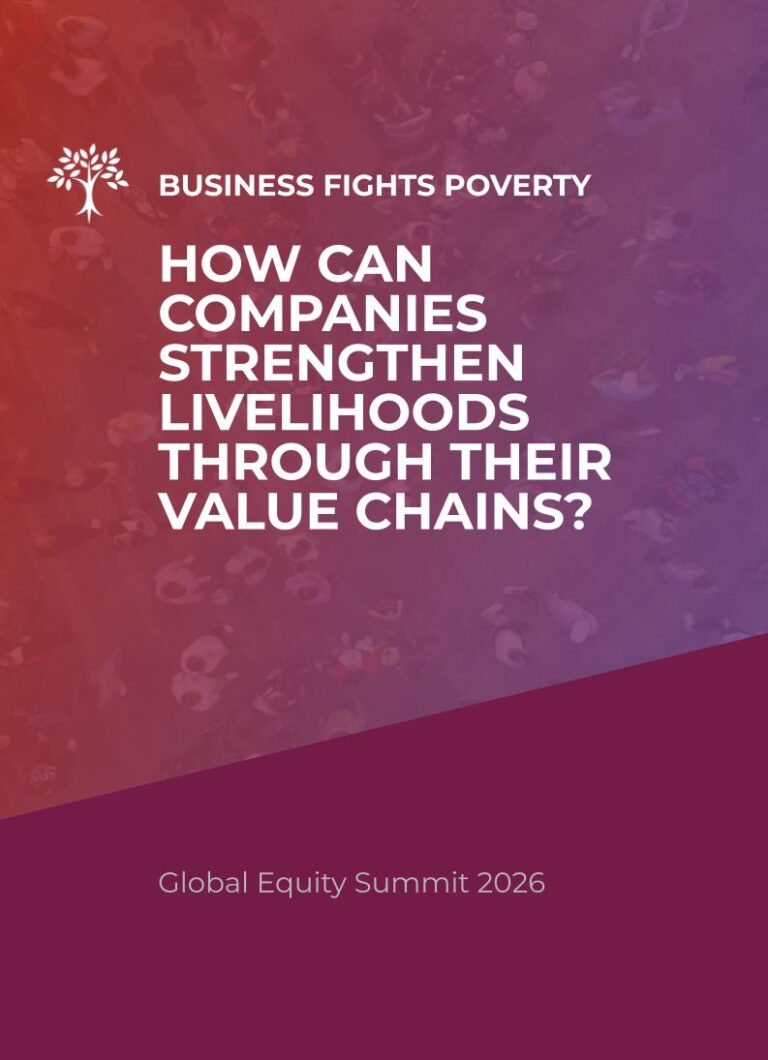
How can companies strengthen livelihoods through their value chains? As businesses face rising pressure to deliver fairer and more resilient value chains, livelihoods can
insights-icon
As water scarcity intensifies, businesses must rethink not only how much water they use but who is most affected by its depletion. This article explores why gender equality, disability and social inclusion (GEDSI) are essential to effective corporate water stewardship, helping companies reduce operational risks, strengthen community trust and build more resilient, equitable water management strategies.
icon-content-article-grey
Despite growing commitments to gender equality, many supply chain programmes struggle to deliver real outcomes for women. This article argues the problem is not motivation but design. By rethinking how gender initiatives are structured—embedding context, capability, and evidence from the start—companies can move beyond participation metrics and create meaningful, lasting change in global supply chains.
icon-content-article-grey
As social impact becomes more complex, politicised and contested, businesses and practitioners are rethinking how change is led and communicated. Drawing on insights from Business Fights Poverty’s Together for 2026 forum, this article explores how organisations can move beyond acronyms, build trust locally, integrate impact into core decision-making, and sustain leadership resilience in an uncertain global landscape.

icon-content-article-grey
Social Impact Pioneer, Sam Teicher talks the business of coral reefs, running impact businesses, investors and innovation.
icon-content-podcast-grey
How to bring business talent development and social impact to get the best outcomes. Social Impact Pioneer Banalata Sen, Global Head of GoTeach at DHL Group shares her wisdom.
icon-content-podcast-grey
Social Impact Pioneer, Darshana Myronidis, Director of Sustainability, Virgin Group talks Social Impact: big picture to on-the-ground action
icon-content-podcast-grey
As support for Windows 10 ends, millions of corporate laptops risk becoming e‑waste. London social enterprise SocialBox.Biz shows how businesses can repurpose redundant IT devices with open-source software, cutting emissions while tackling digital exclusion. Partnering with charities, companies can turn “old kit” into a lifeline for people facing homelessness, poverty and isolation, and strengthen ESG performance.
icon-content-article-grey
Avon is redefining beauty through purpose-driven sustainability. From empowering millions of Representatives to innovative cruelty-free and refillable products, Avon’s strategy integrates climate action, ethical sourcing and gender equity. This article explores how Avon’s inclusive business model and ESG commitments are creating lasting social impact across communities and supply chains.
icon-content-article-grey
In this COP30 follow-up conversation, Jamie Coates, CEO of Wise Responder, guest professor at Fundação Dom Cabral (FDC), and the Business Fights Poverty representative
icon-content-video-grey
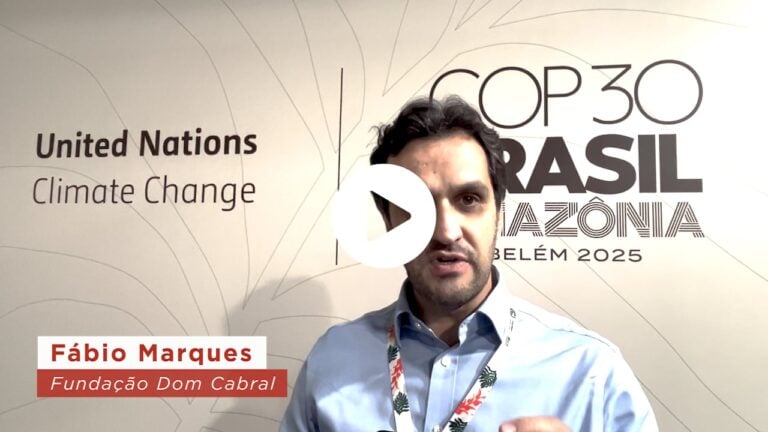
Fabio Marques, from Fundação Dom Cabral, outlines three essential pathways for businesses to strengthen their role in climate mitigation and adaptation during COP30. Part
icon-content-video-grey
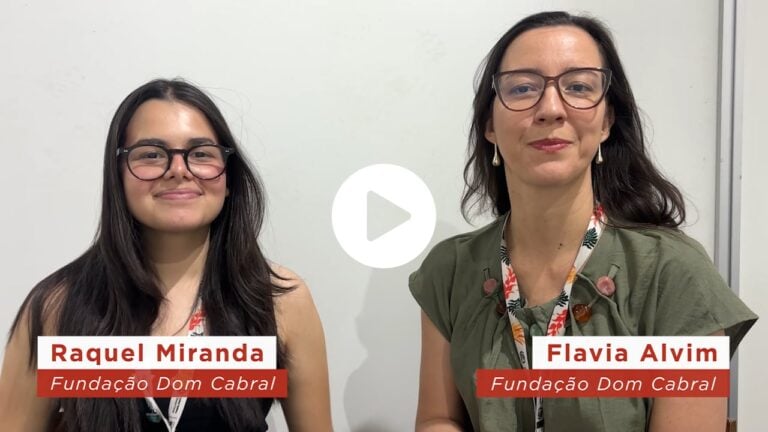
On the final day of COP30 in Belém, Flavia & Raquel from Fundação Dom Cabral reflect on why young people must not only talk
icon-content-video-grey
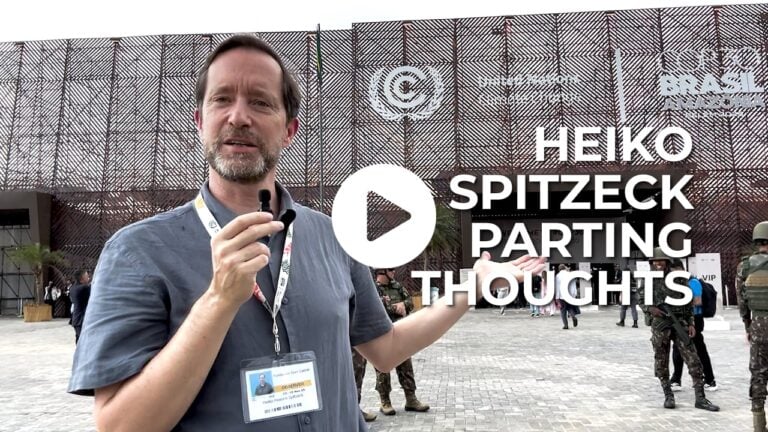
As COP30 draws to a close in Belém, ​​Heiko Spitzeck, Director, Sustainability Research Center, Fundação Dom Cabral, shares a personal reflection highlighting both the
icon-content-video-grey
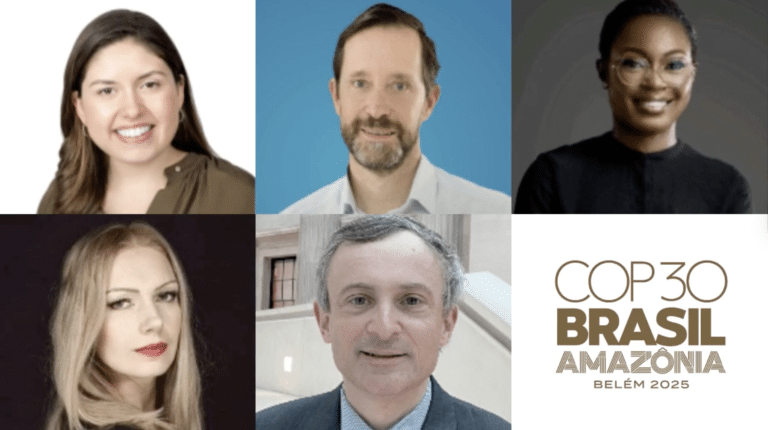
This live panel discussion brought together global experts, practitioners, and peers to discuss cross-sector collaboration and people-centred solutions for climate action, highlighting the importance
icon-content-video-grey
This highlight video captures some of the insights from our COP30 panel discussion, where leaders from business, development, and community organisations explored how to
icon-content-video-grey
Global retailer Primark is pioneering responsible purchasing practices across its supply chain by adopting itemised costing methodologies, embedding cross-functional training and collaborating with suppliers. This case study explores how the retailer aligned buying, merchandising and ethical trade functions, leveraging the Ethical Trading Initiative Learning & Implementation Community to support living wages and sustainable conditions for workers worldwide.
icon-content-article-grey
Jamie Coats, CEO of Wise Responder, guest professor at Fundação Dom Cabral (FDC), and the Business Fights Poverty representative at COP30, shares key insights
icon-content-video-grey

What do we mean by "Responsible Business"?

Sub-topics within this category

There are no sub-topics within this Category.