Human Rights and Governance

Advancing Human Rights and Governance

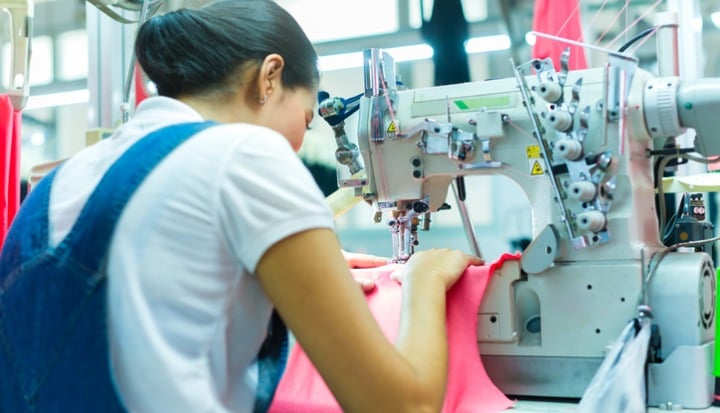
During Global Goals Week, RISE: Reimagining Industry to Support Equality presents five reasons why businesses should prioritize supporting women workers in global garment supply chains and how by doing so, they can improve workers’ lives, strengthen the supply chain, catalyze systems change and contribute to meeting the UN Sustainable Development Goals
icon-content-article-grey
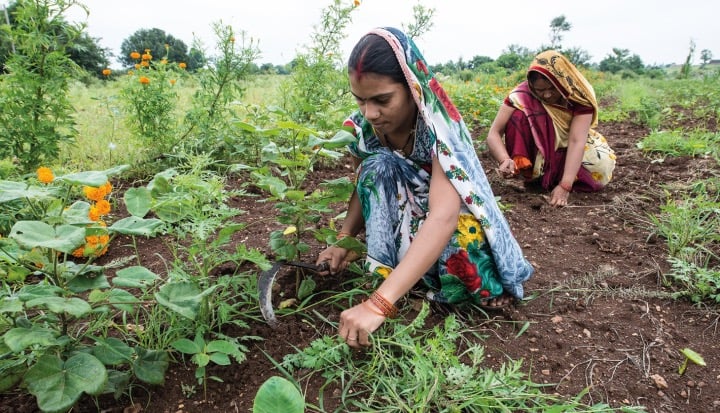
As the climate crisis worsens, women are crucial to the success of cotton-growing communities. Here’s the support they need.
icon-content-article-grey
This report underscores the pivotal role of businesses in advancing SDG 5 for gender equality through the care economy. It highlights the increasing demand for care services and the innovative solutions offered by social entrepreneurs. With insights from global corporations, the report presents a framework for businesses to collaborate with care enterprises, emphasizing the urgency to address the care crisis and champion gender equality. With IDRC.
icon-content-report-grey
Join us for this live written discussion with a panel of experts to explore the role of business in improving maternal, child and adolescent
event-grey
African fintechs are recognizing that embracing Environmental, Social, and Governance (ESG) principles not only enhances their investment appeal but also drives sustainable business growth. This article uncovers how fintechs are embracing responsibility for sustainable advancement.
icon-content-article-grey
The health of women, children and adolescents should be a concern for all of us, including multinational business. This article explains how the Global Financing Facility for Women, Children and Adolescents is helping to catalyse investment in this critical area, including through partnerships with the private sector.
icon-content-article-grey
Better data and social performance benchmarks are critical to achieving more sustainable and equitable value chains. Tom Adams and Madeline Copp of 60 Decibels discuss the need to listen to farmers directly and at scale in order to improve their livelihoods.
icon-content-article-grey
Amid the pandemic, women entrepreneurs suffered due to school closures and business shutdowns, highlighting gender inequalities and SDG challenges. Seizing hope from stories like Seema, who embraced digital tools, calls for collaborative efforts. Southern Voice’s article enriches SDG discussions with diverse Global South perspectives, advocating for inclusive policies and knowledge-sharing to empower women entrepreneurs
icon-content-article-grey
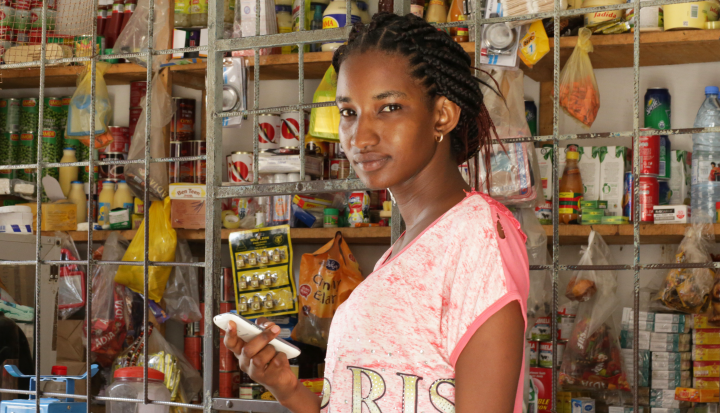
Global businesses are leveraging responsible digital payments to accelerate progress towards the United Nations Sustainable Development Goals (SDGs), with a focus on aiding small retailers, smallholder farmers, and low-income workers. Digitization not only enhances efficiency but also drives financial inclusion, benefiting millions by offering secure, accessible transactions.
icon-content-article-grey
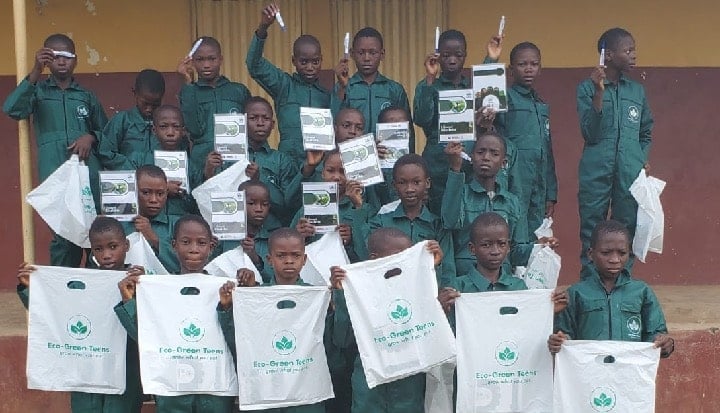
The Eco-Green Teens Project, initiated by a team in Nigeria, addresses the impact of the Covid-19 pandemic on food insecurity and rising prices. Through financial literacy and sustainable agriculture education, rural teenagers learned to cultivate staple foods and embrace a bio-circular economy. Empowered by the Global Youth Mobilization, the program fosters entrepreneurship and addresses UN SDGs.
icon-content-article-grey
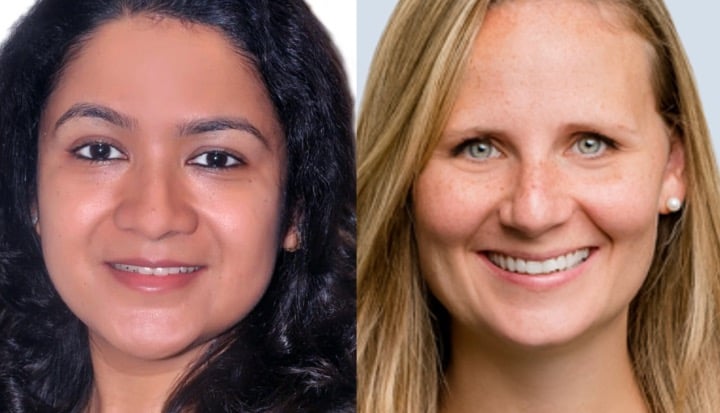
Attention investors and female entrepreneurs. Heather Matranga & Sanjukta Mitra share why <2% of investment goes to female-led businesses.
icon-content-podcast-grey
Enlightened businesses recognise their opportunity to lobby governments to tackle inequalities, as well as behaving responsibly. But few seem willing to speak out about socio-economic inequalities. Read on for nine reasons why businesses should speak out about the need for a fairer Britain
icon-content-article-grey
Fairtrade intensifies fight against cocoa child labor with a new program. Despite challenges, the €450,000 budget aims to generate additional income for co-ops, offer education grants, and support poverty-alleviating projects. Co-ops’ innovative proposals will be funded based on impact and scalability.
icon-content-article-grey
Social Impact Pioneer, Dale Buscher, of Women’s Refugee Commission talks refugee self-reliance and building livelihoods
icon-content-podcast-grey
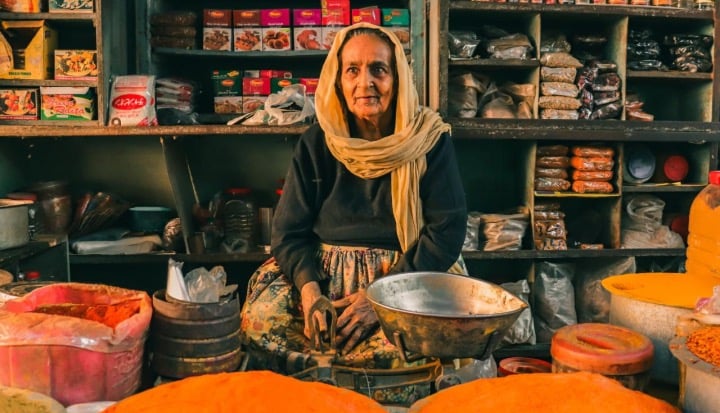
Climate-driven Loss and Damage is bad for business and customers, but worst for the world’s economic backbone: women on the frontline of climate change. If their ability to manage climate change is not supported, business continuity stalls. Companies should support women, alongside civil society and policymakers, to foster a global economy that delivers for everyone. 
icon-content-article-grey
The youth population in Sub-Saharan Africa is set to surpass any other region, making education a crucial investment. Learning poverty affects 90% of children in the region, necessitating urgent solutions. Kwara State’s Governor showcases the transformative power of the KwaraLEARN program, emphasizing its data-driven pedagogy and innovative learning technologies. Investing in education will unlock Africa’s economic potential and empower its young generation to shape the world’s future.
icon-content-article-grey
A paper highlighting the emerging understanding of the potential opportunities and risks that generative AI brings for the lives, livelihoods and access to learning of vulnerable people and communities. We then offer a practical framework to guide business action: leveraging core business, philanthropy and policy advocacy to mitigate the risks and realise the social impact potential of generative AI.
icon-content-report-grey
The Workshop on “Collaborating on Generative AI for Social Impact” convened a group of technologists, business leaders, and social impact advocates to unpack the
insights-icon
Our latest report explores the rapid evolution of generative AI, its potential for positive social impact, the risks it poses, and the crucial role of businesses in harnessing its benefits and mitigating its risks. Share your perspectives and help shape our collective thinking on building an equitable, resilient future.
icon-content-article-grey
Micol Pistelli (UNHCR) and Ricardo Martin Garcia Tafur (IFC) explain why financial inclusion is a problem for displaced people.
icon-content-podcast-grey

What do we mean by "Human Rights and Governance"?

Explore initiatives that advance human rights and promote effective governance, driving global change, enforcing equity and alleviating poverty.

Sub-topics within this category