Finance and Investment

Finance & Investment Strategies to End Poverty

The Global Financing Facility’s contribution to improving health financing and health outcomes in Ethiopia
icon-content-article-grey
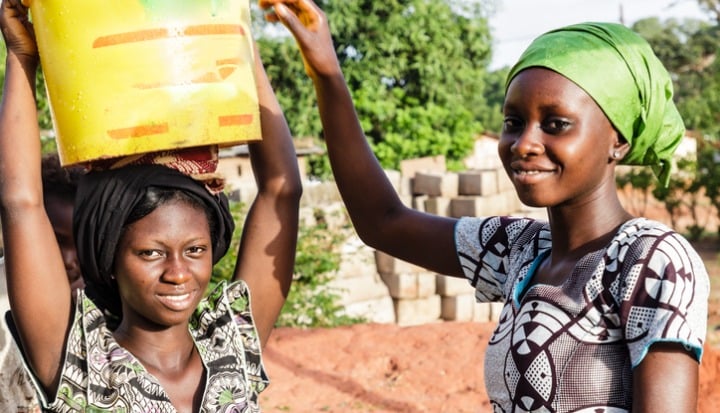
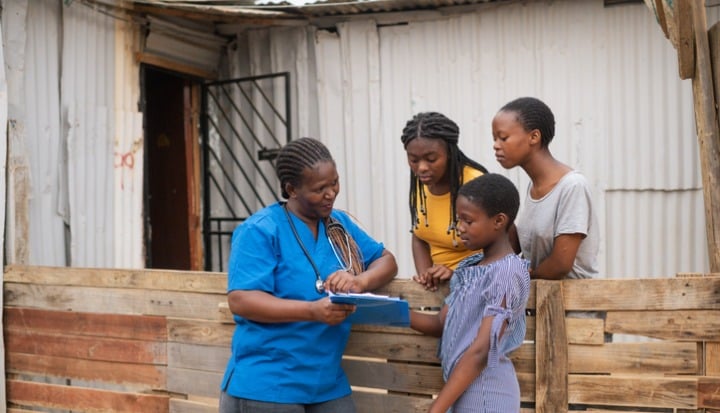
The ISMEA pilot project, supported by the World Bank and the Global Financing Facility, empowers young girls in impoverished regions of Senegal. It transforms futures through education and support on health, hygiene and entrepreneurship.
icon-content-article-grey
Rising inequalities both between and within countries are fueling polarization and protectionist pressures, hampering social cohesion and political stability. Leading economists are calling for society to combat inequality, demanding better measurement and ambitious targets. Businesses and investors have significant roles to play. The private sector, through various practices, can contribute to inequalities, alleviate inequalities, and also face risks posed by inequalities.
icon-content-article-grey
Building an Equitable and Resilient Future Watch our Fireside Chat with Visa Inc and the Harvard Kennedy School Corporate Responsibility Initiative to explore the trends shaping business
icon-content-video-grey
The health of women, children and adolescents should be a concern for all of us, including multinational business. This article explains how the Global Financing Facility for Women, Children and Adolescents is helping to catalyse investment in this critical area, including through partnerships with the private sector.
icon-content-article-grey
Despite progress, 828 million face hunger, up by 150 million due to COVID-19. The Ceres2030 study highlights key strategies: empower communities, boost farm productivity, improve food distribution. The Zero Hunger Private Sector Pledge invites companies to join efforts, pledging financial commitments. Together, we strive to end hunger sustainably by 2030.
icon-content-article-grey
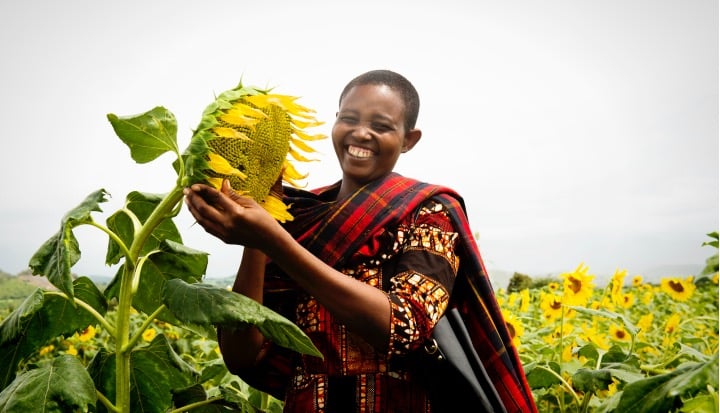
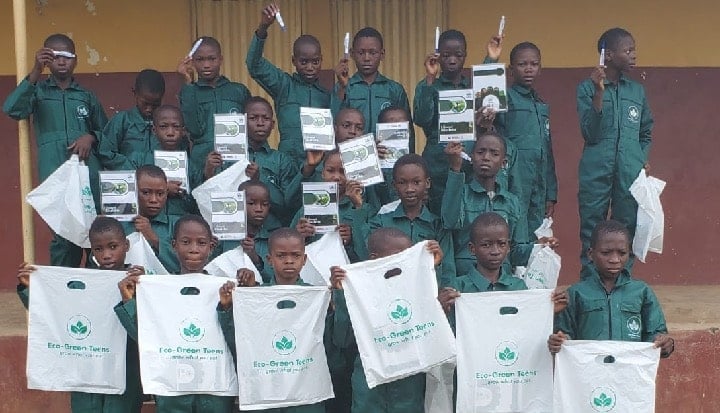
The Eco-Green Teens Project, initiated by a team in Nigeria, addresses the impact of the Covid-19 pandemic on food insecurity and rising prices. Through financial literacy and sustainable agriculture education, rural teenagers learned to cultivate staple foods and embrace a bio-circular economy. Empowered by the Global Youth Mobilization, the program fosters entrepreneurship and addresses UN SDGs.
icon-content-article-grey
Attention investors and female entrepreneurs. Heather Matranga & Sanjukta Mitra share why <2% of investment goes to female-led businesses.
icon-content-podcast-grey
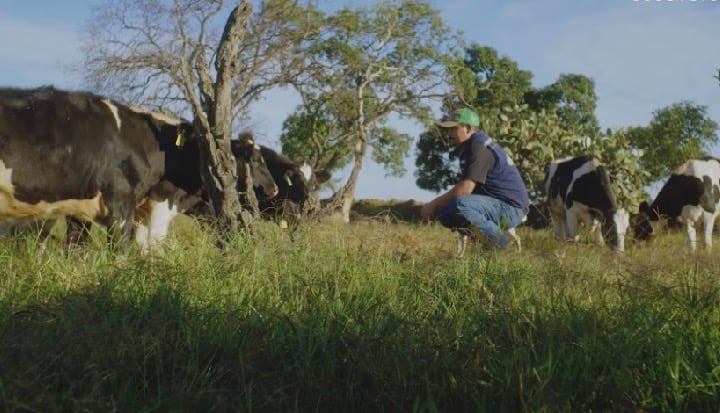
Smallholder dairy farmers face numerous challenges due to limited opportunities to secure funds that could help them grow and invest in essential assets for boosting their profitability and transition to regenerative business practices. So, how can innovation and partnership step in to bridge this gap?
icon-content-article-grey
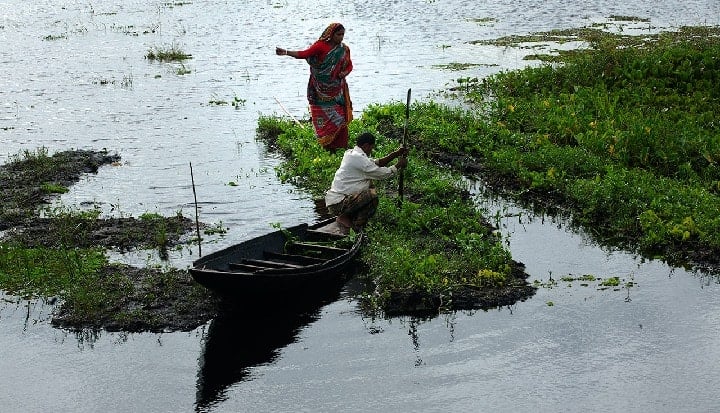
Bangladesh is implementing innovative measures and allocating a significant portion of its budget to combat climate change. Learn why investing in the Global South now not only addresses the urgent climate emergency but also promises long-term benefits for the rest of the world.
icon-content-article-grey
Social Impact Pioneers Joyce Coffee and Henning Alts examine how to building climate resilience with sustainable, affordable homes.
icon-content-podcast-grey
Micol Pistelli (UNHCR) and Ricardo Martin Garcia Tafur (IFC) explain why financial inclusion is a problem for displaced people.
icon-content-podcast-grey
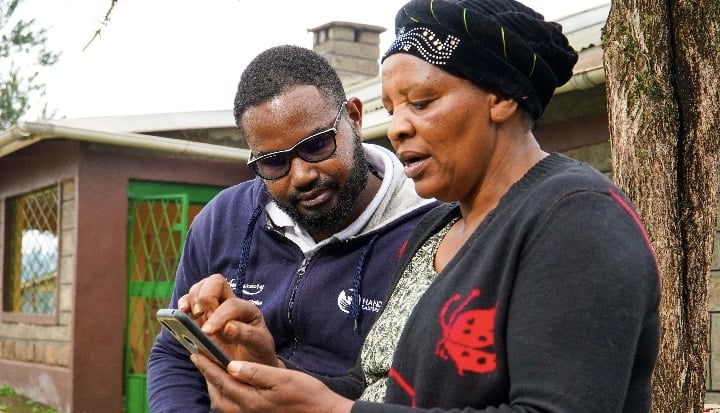
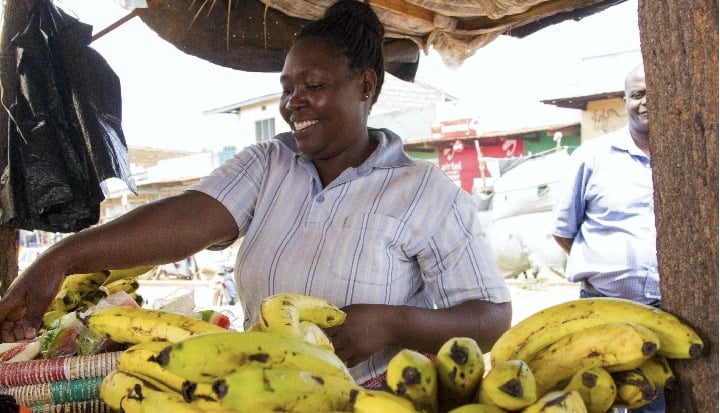
Women micro-entrepreneurs in Nairobi’s informal settlements struggle to get online and access the credit they need. Hand in Hand and Visa Inc.’s groundbreaking ‘acceleration’ programme tackled digital and financial exclusion, boosting participants’ profits by an average of 95%. Lucy Kerei, Programme Manager at Hand in Hand, Eastern Africa, shares how.
icon-content-article-grey
From 2019-2022, impact investors, AlphaMundi Foundation, Acumen, AHL Venture Partners, Root Capital, SEAF and Shell Foundation launched the Gender-Smart Enterprise Assistance Research Coalition (G-SEARCh) consortium to conduct new research in the gender lens investing community. Read more on their findings of the missed opportunities for impact investors and companies.
icon-content-article-grey
Traditional health insurance models are not suitable for low-income segments, leaving millions of people globally financially vulnerable to health shocks. New approaches to financing healthcare are more urgently needed than ever. The Swiss Re Foundation 2023 Entrepreneurs for Resilience Award provides USD700k to accelerate entrepreneurial approaches to improving financial access to healthcare for low-income populations.
icon-content-article-grey
Businesses give billions to nonprofits every year, but are they helping or hurting? We look at some of the pitfalls of traditional tied funding approaches, and introduce businesses to the concept of unrestricted funding as a way to support nonprofits to achieve real impact.
icon-content-article-grey
Sustainable finance; blended finance; and green loans are just a few terms that we will be unwrapping in this podcast. Get ready for a 101 in sustainable finance – the tools financial experts are using to accelerate the money we need to fund commercially viable social and environmental impacts. And in particular, we will be deep diving into how to unlock finance for a green transition – so that no one is left behind in the transition to a green economy.
icon-content-podcast-grey
With goals that range from “[being] financially stable”, to “being an established business tycoon”, young people from low-income communities have big ambitions. However, due to an interwoven mix of financial barriers, they currently lack the information, infrastructure, and knowledge to pursue such ambitions. How can organisations put young people from low-income communities at the heart of financial inclusion decision-making, in order to help them achieve their ambitions?
icon-content-article-grey
A new learning brief from IFC introduces how the fast-moving consumer goods (FMCG) sector, including manufacturers, e-supply chain actors, investors, and development organizations, can advance gender equality within the distribution activities. The brief provides a market overview and presents an emerging business case, the challenges facing women distributors and retailers, and recommendations.
icon-content-article-grey
When the European Union embraced the concept of double materiality in the Corporate Sustainability Reporting Directive, mandating that investors consider risks corporations externalize onto people, the business and human rights movement notched a significant win. Now the notion of double materiality is also taking shape in a different guise beyond Europe: in rising investor concerns around systemic risks, including inequality.
icon-content-article-grey

What do we mean by "Finance and Investment"?

Learn about advanced financial strategies that aim to eradicate poverty. Our focus includes investment solutions and economic policies for lasting change.

Sub-topics within this category

There are no sub-topics within this Category.