Technology

Technology and Human Rights

More than 3.2 billion people in low- and middle-income countries (LMICs) now access the internet on a mobile phone. Mobile is the primary way men and women access the internet in LMICs, accounting for 85% of broadband connections in 2021.[1] Despite the critical role of mobile in providing connectivity, progress in closing the gender gap in mobile internet use has stalled.
icon-content-article-grey
Ben Jeffreys is a social impact pioneer – he is dedicating his life to bring clean cooking to everyone around the world. Ben believes that this is one of, if not the world’s biggest social and environmental challenge … and he has the statistics to back it up.
icon-content-podcast-grey
Ashley explores the positive impacts of mobile money and examines the challenges that remain.
icon-content-podcast-grey
The COVID-19 pandemic impacted the lives of approximately 190 million women workers in global supply chains. Employees needed to access critical information on health, financial resilience, and tools for building harmonious relationships and handling stress.
icon-content-article-grey
Data is essential in today’s world. In the context of global supply chains, data is the cornerstone of effective human rights due diligence and risk assessment. Without the necessary data, businesses will fall short in addressing and preventing risks to workers and mitigating harm that may be caused as a result of their business operations.
icon-content-article-grey
Rosa Wang, social impact pioneer, examines how mobile technology frontiers are providing financial access, connectivity, identity and empowerment for people across the world – from Kenya to India.
icon-content-podcast-grey
For Red Nose Day 2022, Comic Relief celebrate some of the incredible work their partners are doing to help change lives in communities around the world.
icon-content-article-grey
The face of farming is female in much of the world. At the same time, little is known about rural women’s access to resources, the diversity of their income and how they use their time. Closing the gender data gap makes women in agriculture visible and allows programmes and their partners to realise inclusive impact.
icon-content-article-grey
iDE’s innovation lab specializes in human-centered design. They have identified three user journeys to guide users to those resources that can help address gender in the workplace according to where you are currently in your level of mainstreaming as well as your size and the type of their organization.
icon-content-article-grey
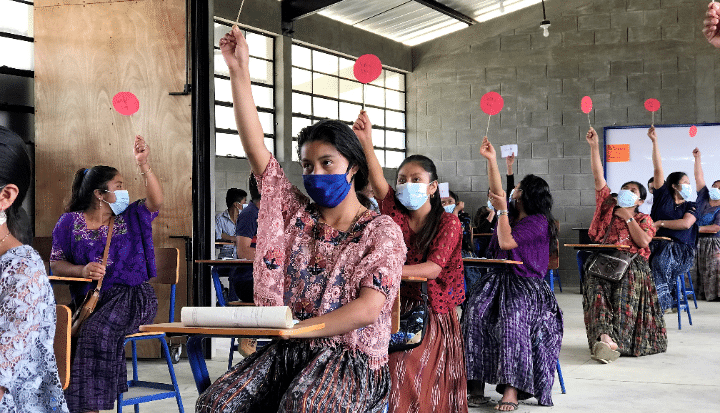
New Sun Road and USAID-Microsoft, a joint initiative striving to close the gender digital divide and increase digital opportunities for Indigenous women in the Alta Verapaz region of rural Guatemala.
icon-content-article-grey
Snigdha Ali and Maria May explain why being unbanked is a serious inequality issue and how digital financing can create economic empowerment, particularly for women in emerging markets.
icon-content-podcast-grey
Leading East African FemTech company, Kasha, share nine key lessons learnt from scaling their business with support from TRANSFORM. TRANSFORM is a joint initiative between Unilever, the UK’s Foreign, Commonwealth & Development Office (FCDO) and EY that provides grant funding and business consultancy to impact enterprises in sub-Saharan Africa and South Asia.
icon-content-article-grey
Over the past 3 years UNICEF and Dove have partnered to adapt and integrate Dove’s evidence-based self-esteem and body confidence curriculum (DSEP) within UNICEF’s ongoing collaboration with ministries of education and the private sector across 3 countries. Read on to learn more.
icon-content-article-grey
The GSMA, the UK Foreign, Commonwealth and Development Office (FCDO) and the Swedish International Development Cooperation Agency (Sida) have announced the launch of the GSMA Innovation Fund for Climate Resilience and Adaptation. The objective of this new Fund is to help accelerate the testing, adoption and scalability of digital innovations that enable the world’s most vulnerable populations to adapt to, anticipate and absorb the negative impacts of climate change.
icon-content-article-grey
Two billion people across the globe lack access to formal financial services and approximately 90% of these live in developing countries. The COVID-19 pandemic has accelerated growth but also increased the danger that those at the very margins of society, could get left behind. A new study examines crucial lessons learned over the past 12 months from organisations striving to continue to support vulnerable people access finical services throughout the pandemic, to prevent vital progress from being undone. 
icon-content-article-grey
After backpacking across Africa in search of changemakers building scalable, high-impact businesses, Canadian entrepreneur Mike Quinn convinced his retired parents to mortgage their house and lend him $100,000 to co-found Zoona, one of the continent’s earliest fintechs. That risk paid off big time, as Zoona went on to process $2.5 billion of transactions and generate $26 million in income for thousands of micro-entrepreneurs across Zambia and Malawi.
icon-content-article-grey
Our webinar explored “Harnessing Digital to Drive Inclusive Economic Opportunity” and discussed the various meanings of digital transformation, how digitalisation can enhance social inclusion,
insights-icon
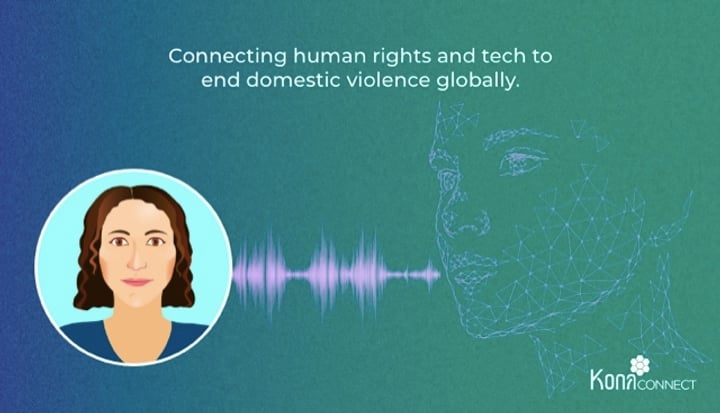
Domestic violence is the hidden plague and it is getting worse. The impact of this violence is far reaching and can have serious consequences for both individuals and businesses alike. To combat this issue, Kona Connect has developed “Sophia”, the world’s first chatbot designed to empower domestic violence survivors globally.
icon-content-article-grey
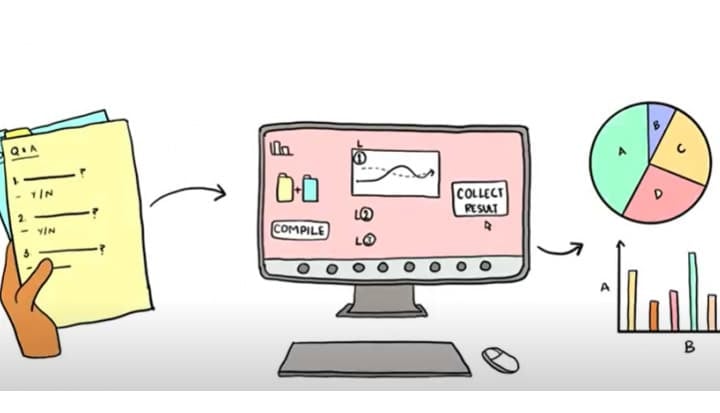
Smallholder farmers are remote, disconnected and harder to reach than ever as a result of COVID-19; how can we ensure their voices are heard?
icon-content-article-grey
Digital jobs are opening up important new work opportunities for youth with disabilities in developing countries. The COVID‒19 pandemic has accelerated the expansion of jobs which offer flexibility, accommodations for disability and functional access for remote communities.
icon-content-article-grey

What do we mean by "Technology"?

Discover how technology can bolster human rights protections and governance, providing innovative solutions for global challenges.

Sub-topics within this category

There are no sub-topics within this Category.