Diversity, Equity and Inclusion

Promoting Diversity, Equity, Inclusion to Fight Poverty

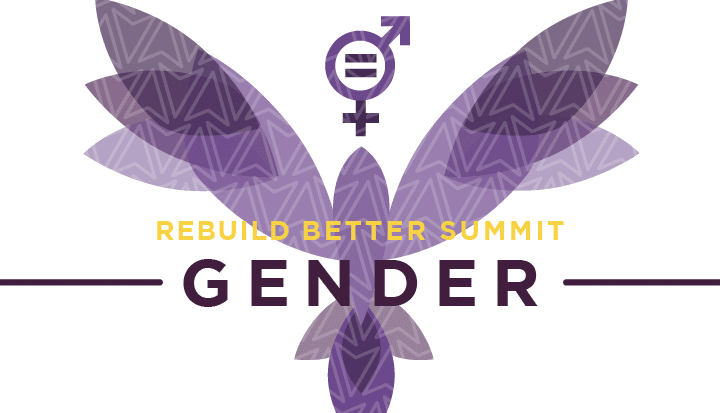
In the last fortnight, Business Fights Poverty joined with other business networks to call for renewed commitment to international aid; and highlighted how business is supporting young entrepreneurship, anti-racism, decent jobs, gender equality and tackling modern slavery. Plus, don’t miss our Rebuild Better Virtual Summit on Gender Equality on 3rd December 2020. 
icon-content-article-grey
As part of their series on lessons from the coronavirus pandemic, IIED look at how COVID-19 has increased gender inequality and the need to tackle multiple forms of disadvantage in the global South.
icon-content-article-grey
In October, THIRST organised a discussion to learn from Oxfam’s Juliet Suliwa and COLSIBA’s Adela Torres and Iris Munguia how unions in the Latin American banana sector have been successfully opened up to women, and how Malawian tea unions are starting to do the same. Read more in this article from Sabita Banerji CEO of The International Roundtable for Sustainable Tea
icon-content-article-grey
The B Corp community moves beyond words into action as we share a new resource guide that includes commitments, actions, and ideas for business leaders ready to shift toward anti-racist business practices. This article includes excerpts from the guide that highlight Black leaders from the B Corp community and three ways that B Corps are stepping up for racial justice.
icon-content-article-grey
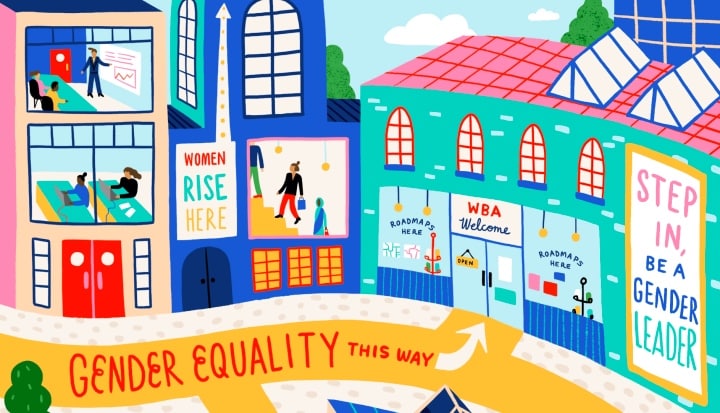
We had a day of inspiring and engaging content, live events, and peer networking to explore how we can #RebuildBetter and drive gender equity.
event-grey
Last week, as the US Presidential election played out, the Business Fights Poverty team spent some days reflecting on the events of the past six months and looking ahead to the future. We were all struck by the way that networks such as Business Fights Poverty can provide a source of insight and resilience, as we face up to the significant global challenges that lie ahead. Read more in Annabel Beales’ Fortnightly Round up.
icon-content-article-grey
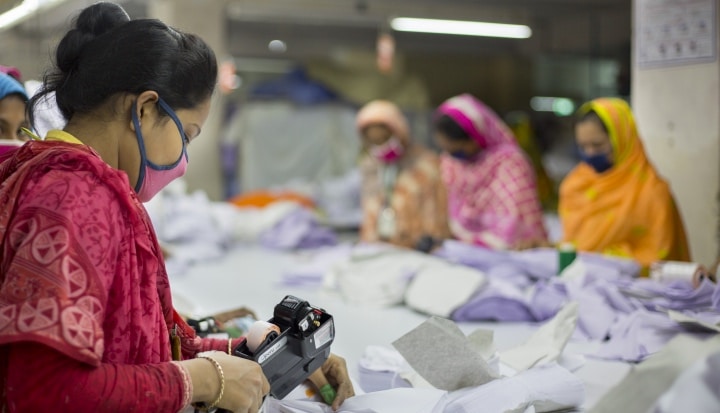
In John Pabon’s new book, “Sustainability for the Rest of Us: Your No-Bullshit, Five-Point Plan for Saving the Planet,” the pragmatic altruist thinks back on nearly two decades in the sustainability business to take a no-holds-barred, unorthodox look at what needs to change. This excerpt looks at his experience helping female factory workers in China and why he believes the private sector must lead a more sustainable future.
icon-content-article-grey
As the world continues to produce, buy, and discard newer and more advanced electronic devices and appliances, countries are also facing the growing problem of what do with the waste generated when these products are discarded. If not properly processed, this e-waste (also known as waste electrical and electronic equipment or WEEE), poses a serious threat to the environment and to public health, especially in developing countries where e-waste is often shipped.
icon-content-article-grey
The global COVID-19 pandemic has exposed how much economies and societies rely on hidden labour: labour which is unseen, unrecognised and unpaid. This hidden labour is disproportionately borne by women and is one of the most entrenched barriers to gender equality. Businesses stand to make significant gains from recognising, assessing and addressing hidden labour, and now is the time for them to step up as a vital partner in the journey towards a more gender equitable world.
icon-content-article-grey
On 16 September, the Business Refugee Action Network (BRAN) released its Business Takes a Stand for Refugees Sustainable Development Goal (SDG) Statement and called on governments to include refugees in the SDGs, support them in the wake of COVID-19 and call out the racism and xenophobia they face. Daphne Jayasinghe reflects on the impact of COVID-19 on refugees’ economic inclusion and the role of business in ensuring refugees are not left behind.
icon-content-article-grey
Today at Business Fights Poverty NYC Online 2020 we discussed equity. 
icon-content-article-grey
The foundation of business is solution-led. Most of the world’s most successful companies have their origin as a solution to a challenge their target market is facing. It is striking then that when a business, or in fact an entire sector, is plagued by a problem that needs an urgent answer there can be reluctance to understand the scale and nature of the issue and to find a meaningful solution. This is the case when it comes to gender equality. 
icon-content-article-grey
Members of the Business Fights Poverty share their insights through a series of “how-to” videos on the themes of Business Fights Poverty NYC Online 2020. In this video Professor Stephanie Barrientos of the Global Development Institute at The University of Manchester looks at how companies can ensure gender equality through value chains
icon-content-article-grey
Members of the Business Fights Poverty share their insights through a series of “how-to” videos on the themes of Business Fights Poverty NYC Online 2020. Ceri Davies Managing Director at More Mascots Please CIC looks at the role of businesses in addressing inclusion, specifically in reference to disabled people,
icon-content-article-grey
The WTO has recently predicted that the economic impacts of the coronavirus pandemic will be disproportionately felt by women, with a ‘pink collar recession’ threatening to roll back the gender equality gains of recent decades.  In the UK, there are indications that women are bearing the brunt of redundancies, mothers are more likely than fathers to have been furloughed, and women have done the greater share of domestic and caring work during lockdown.
icon-content-article-grey
As has been observed in the Business Fights Poverty community, the coronavirus pandemic poses a specific set of threats to women. Whether in the UK or Uganda, there’s growing evidence that the pressures of lockdown and the associated economic downturn will lead to a regression in women’s rights and gender equality.
icon-content-article-grey
icon-content-podcast-grey
COVID-19 has reignited debate on the role of purpose in business. At a recent webinar, the Business Refugee Action Network highlighted how businesses can support refugees at this time of crisis. Discussion focused on the impact on refugee livelihoods, the role of private sector programming, and the urgency of cross-sectoral collaboration. 
icon-content-article-grey
Gender-based violence and harassment is a widespread and serious global issue that affects individuals in the workplace, their communities, and homes. CDC, EBRD and IFC have partnered to develop practical guidance that supports the private sector in efforts to address gender-based violence and harassment.
icon-content-article-grey
Among its many impacts, the COVID-19 pandemic has the potential to reverse recent gains to women’s economic empowerment. This article by TechnoServe Gender Director Cristina Manfre presents a strategy to ensure that the global community’s response to the pandemic safeguards against the risks to women’s livelihoods and enables them to help lead the economic recovery.
icon-content-article-grey

What do we mean by "Diversity, Equity and Inclusion"?

Learn about strategies that promote diversity, equity, and inclusion, fostering an environment where all individuals can thrive regardless of gender or economic status.

Sub-topics within this category