The COVID-19 global pandemic is resulting in business, governments and civil society working together like never before. We are witnessing the mobilisation of national collaborations – such aKenya’s National Business Compact on Coronavirus – to accelerate local action and support government efforts to counter the pandemic.
It has never been easier to save lives. Thanks to technology, healthcare no longer has to be one-size-fits-some. Infrastructure-lite innovators, typically funded by private equity and venture capital, are contributing to better health in low- and middle-income countries (LMICs) in novel ways. Their ability to succeed is vital, now more than ever.
Business Fights Poverty Online 2020 Day 5: Collaboration Hosted with the National Business Compact on Coronavirus, Kenya. Speakers: Rob Burnet, CEO, Shujaaz Inc Christian
Business Fights Poverty Online 2020 Day 5: Collaboration Hosted with the International Council on Mining and Metals (ICMM). Speakers: Nicky Black, Social and Economic Development,
Mercy Corps joined a recent Business Fights Poverty online discussion on supporting NGO partners, Lisa Seymour-Doughty, Senior Manager Strategic Partnerships, shares reflections on Mercy Corps response to the pandemic and how the need to work together has never been more important.
Concepcion Blanco, Senior Specialist, Client Solutions and Digital Innovation, BBVA Microfinance Foundation Cristianne Close, Global Leader, Markets Practice, WWF International Payal Dalal, Vice President,
Business Fights Poverty Online 2020 Day 3: Skills This session is part of a series of webinars with Futuremakers by Standard Chartered. Speakers: Suzanne
Tom Adlam, Team Leader, DFID Impact Programme Robert Eccles, Visiting Professor of Management Practice, Said Business School, University of Oxford Martha Herrera Gonzalez, Global
Louise Fowler, Portfolio Non-Executive Director and Customer and Marketing Consultant Charmian Love, Chair and Co-Founder, B Lab UK, and Social Entrepreneur in Residence at
As COVID-19 spreads in countries around the world, governments have already started to address the economic and livelihood challenges posed by the constraints the pandemic has put on behaviour and employment. These measures will help cushion the impact of COVID-19 on employment in wealthier areas. But what about lower-income countries?
Join us for a live written discussion with a panel of experts to examine how business can help build national coalitions and collaborations to fight COVID-19. The live Panel takes place on Thursday 30th April 3pm BST / 10am EDT / 5pm EAT
As Americans are bracing for the health fallout from the COVID-19 outbreak, the nation’s Main Street businesses are fighting for their survival. Salon owners, event planners, shopkeepers and restaurants are being forced to make hard choices—pay their bills or their employees—and the workers who rely on them for their livelihoods face prolonged economic hardship.
Supermarkets have become one of the few vital services still functioning during the global Coronavirus pandemic. Supermarket staff deserve great respect for keeping customers safe and supplied with food to sustain us through this unprecedented crisis.
Partners and supporters of Business Fights Poverty will be as concerned as we are about the impact that Covid-19 is having on people across our shared world, and will be at the forefront of efforts to protect people’s health and livelihoods.
Neil Fleming shares his first-hand insight into what it’s like supporting small and medium sized businesses globally during the COVID-19 pandemic; highlighting the vital importance of SMEs in job creation now and in the future and the real risk of many businesses going under. Neil is Director at The Challenges Group, an international NGO working across 66 countries, with five offices in sub-Saharan Africa.
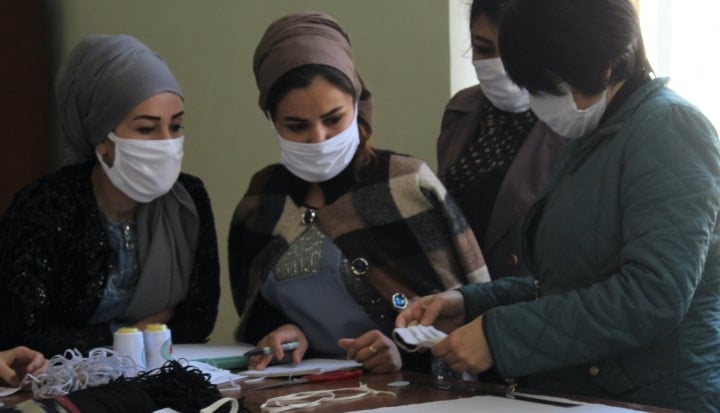
As of 14 April, Tajikistan had not announced the confirmation of any COVID-19 cases. Over recent months, the authorities have taken drastic measures to help keep the coronavirus at bay. The border with China has been closed since 24 January and entry from Iran was halted on 23 February. All commercial flights were suspended on 20 March and traffic to and from Kyrgyzstan was suspended on 24 March. Schools, however, are still open and people are going to work as normal.
Join us for a live written discussion with a panel of experts to deepen understanding of the role of partnering in delivering rapid innovation during the COVID-19 global crisis. Taking place on Wednesday, 22 April, 9.00 am EDT / 2.00 pm BST
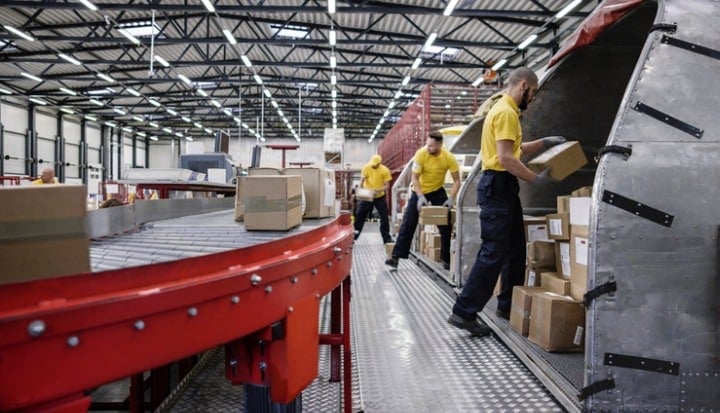
Livelihoods of workers in the poorest and most vulnerable countries are being decimated even before the coronavirus sweeps in, as supply chains grind to a halt. This is disastrous for families, triggering an alarming resurgence in poverty. It is bad news for businesses that will want to rebuild, and for consumers in developed countries who depend on robust and resilient supply chains.
Globally, in the last couple of weeks, we have seen collaboration apps and start-ups like PhoneSoap and Slightly Robot develop innovations catering to respond to the challenges from the ‘new-normal’, of our lives. From the emerging market context of India, particularly in the state of Kerala, I am noticing a relatively silent (for the global audience), but remarkable response of entrepreneurs and innovators to the pandemic.
Explore how economic growth can significantly reduce poverty through innovative business initiatives and strategic planning. Join us in making a difference.