Micro, Small and Medium Enterprises

SMEs Against Global Poverty

What does it take to scale and grow social innovations? And how does a mobile phone company come to be leading the way business can tackle gender-based violence. Andrew Dunnett, the Group Director of SDGs and Sustainable Business at Vodafone and the Director of their Vodafone Foundation explains all.
icon-content-podcast-grey
While the COVID-19 pandemic has brought an unparalleled threat to the survival of small and start-up businesses, it has also brought opportunities for growth and scale. The Transform Survive & Thrive initiative is helping businesses build resilience and self-reliance. They are looking for partners – does your organisation have skills that could help?
icon-content-article-grey
Heifer International and Cargill have partnered to improve nutrition and livelihoods for 100 million people worldwide by 2030 through Hatching Hope, a program supporting sustainable smallholder poultry farming that is currently operating in India, Mexico, Kenya, Colombia and Cambodia.
icon-content-article-grey
A love story turned passion project, this is an article about relationships. We see how a young couple have strived to build an ethical business founded on love. Chocolate and Love is a growing family business that supports equitable trade relationships for the purpose of driving social change from crop to consumer in the world of chocolate.
icon-content-article-grey
There was no way for small-scale farmers in Ecuador to anticipate the COVID-19 pandemic more than a year ago when they started diversifying the products they grew and mapping efficient paths to get them to hungry urban markets. But when the coronavirus hit the South American nation hard, these farmers found themselves well-prepared to keep homebound customers fed.
icon-content-article-grey
In 2020, the modern economy became synonymous with the digital economy, and the Mastercard Center for Inclusive Growth re-doubled efforts to help MSMEs survive and thrive. Here they share four guiding principles that they will be incorporating into their work in 2021 to help bring about an inclusive and sustainable digital economy that works for everyone, everywhere.
icon-content-article-grey
Inspiring inclusive businesses have invested in their relationships with stakeholders, shared experiences and strengthened public-private partnerships to stay resilient during the Covid-19 pandemic and tackle the needs of low-income communities around the globe in times of crisis.
icon-content-article-grey
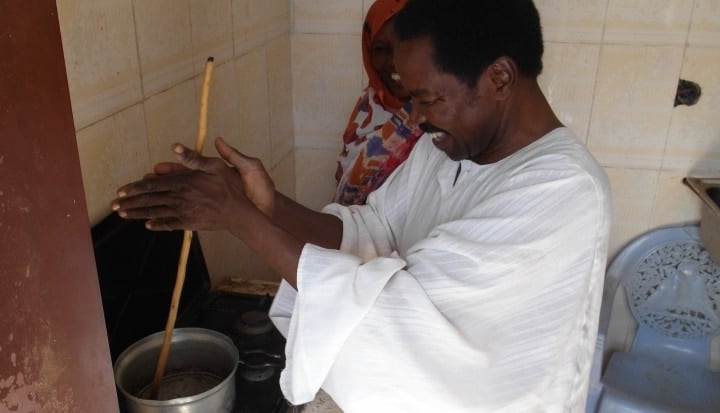
In Darfur, shared knowledge and improved technology is making cooking at home safer and cheaper. Practical Action teamed up with the Women’s Development Association to educate communities and introduce new Liquid Petroleum Gas (LPG) stoves in El Fasher. Reducing carbon emissions and giving thousands of families clean homes, clean lungs and more money to spend on essentials.
icon-content-article-grey
Solutions to the global sanitation crisis can be generated by a multilateral approach, blending the expertise, research and support of the private sector with the focus and structure of the public sector to enable innovative local enterprises to deliver long-term, desirable solutions. This approach is increasingly being implemented, with a number of examples of businesses, enterprises and public sector stakeholders working together to deliver lasting responses to the sanitation crisis.
icon-content-article-grey
Ute Stephan, Professor of Entrepreneurship at King’s Business School, King’s College London, talks to us about the disproportionate impact of the pandemic on women entrepreneurs.
icon-content-article-grey
Because of pervasive inequalities, women are vulnerable to the lasting economic impacts of the COVID-19 pandemic. This article highlights some of the ways we can strengthen the resilience of women farmers and entrepreneurs during the crisis and aid their post-pandemic recovery.
icon-content-article-grey
New research from Citi GPS and Plan International argues that 100% upper secondary school completion rates for girls by 2030, could lift GDP in emerging economies by 10% on average compared to a business-as-usual scenario. Structured cross-sectoral collaboration is vital, with the role of business paramount to effectively tackle the barriers that adolescent girls face.
icon-content-article-grey
As we mark this year’s 16 Days of Activism Against Gender-Based Violence, measures to tackle COVID-19 continue to exacerbate gender inequality worldwide. If we truly want to build back fairer, then businesses, civil society and governments must put women’s rights squarely at the centre of post-pandemic recovery plans, says the Fairtrade Foundation’s Alice Lucas.
icon-content-article-grey
What would happen in your community if women who wanted to start their own business or pursue a professional career had the opportunity to do it? From addressing closing the pay gap, to finding new caregiving solutions, we need governments, business leaders, and investors to make gender equality happen. Find out more in this article.
icon-content-article-grey
The COVID-19 pandemic is affecting farmers, entrepreneurs, and workers across the globe, but its economic impact on women is particularly severe. How can the private sector, governments, and civil society ensure that women can continue to do business amid the pandemic?
icon-content-article-grey
Fred Brown is the President and CEO of The Forbes Funds. A capacity builder and catalyst for non-profits in the Pittsburgh area, USA. The work Fred is leading goes far beyond simply helping NGO’s up their performance. Fred has been creating innovation labs, frameworks to ensure anti-racism within organisations and impact measurement tools, among other things. During our conversation, you will hear what Fred expects to be the big themes for not just the next five years, but the next 30! Get your pens and paper out, it is worth taking notes.
icon-content-podcast-grey
In October, THIRST organised a discussion to learn from Oxfam’s Juliet Suliwa and COLSIBA’s Adela Torres and Iris Munguia how unions in the Latin American banana sector have been successfully opened up to women, and how Malawian tea unions are starting to do the same. Read more in this article from Sabita Banerji CEO of The International Roundtable for Sustainable Tea
icon-content-article-grey
Merten Sievers leads value chain and enterprise development with the International Labour Organisation (ILO). During our podcast conversation Merten shares his insights on the effects COVID-19 is having on small and medium sized enterprises, in particular the impacts on decent work. Merten then deep dives into the practical ways businesses of all sizes can help create and capitalise upon quality jobs.
icon-content-podcast-grey
2020 has been an incredibly difficult and uncertain year for everyone, especially for young entrepreneurs across the world. As global and local economies have suffered as a result of COVID-19, many entrepreneurs have faced the prospect of failure. YBI’s response has been to help these entrepreneurs survive and thrive.
icon-content-article-grey
So far, Latin American MSME sector recovery forecasts remain pessimistic, mostly since they have yet to face structural barriers such as informality, lack of access to markets and inclusive value chains, as well as low financial and digital inclusion rates. Consequently, some international projections remain that more than 25 million people will enter poverty levels after the crisis. Do we know what that means economically and ethically for humanity? FUNDES identifies three specific gaps that affect the development of Latin American MSMEs in the traditional economy:
icon-content-article-grey

What do we mean by "Micro, Small and Medium Enterprises"?

Explore how empowering micro, small, and medium enterprises (SMEs) can drive economic development and reduce poverty by fostering innovation and job creation.

Sub-topics within this category

There are no sub-topics within this Category.