Women

The workforce includes more women — especially in traditionally male professions — and business leaders are changing workplace environments to be more flexible, collaborative and caring in a calculated effort to attract and retain the best talent, both male and female.​
icon-content-article-grey
Join us and a panel of experts for a live written discussion to explore how business can advance gender equality across the value chain by engaging men as allies, taking place on Wednesday 11 September 2019, 16:30-17:30 BST/ / 11.30-12.30 EDT
forum_grey
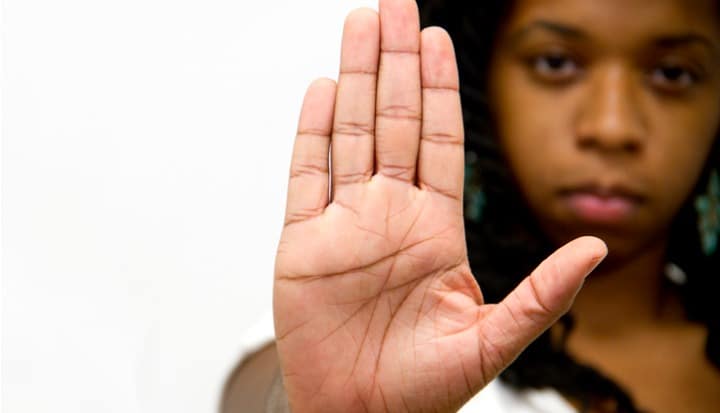
On June 21, 2019, the International Labour Organization (ILO) voted overwhelmingly to adopt a Convention on the Elimination of Violence and Harassment in the World of Work. This represents an important step forward on strengthening protections for all workers around the world against violence and harassment.
icon-content-article-grey
From climate change to climate crisis and now a climate emergency, the growing debate around the language used for some of our biggest global challenges is missing the most important word for addressing them: resilience.​
icon-content-article-grey
This survey forms part of the Business Fights Poverty Challenge: How can business advance gender equality across the value chain by engaging men as allies? The objective of this survey is to engage the Business Fights Poverty network of members and other experts in order to collectively benefit from our shared knowledge and experience.
icon-content-article-grey
Men have a critical role to play in achieving gender equality. What is less clear is what this might mean in practice for organisations in their approach to advance gender equality. A new Business Fights Poverty Challenge will explore how businesses and organisations are advancing gender equality within their organizations and across the value chain (spanning agriculture, supply, operations, distribution, retail and marketing), by effectively engaging men as allies for gender equality. 
icon-content-article-grey
What are some of the causes and consequences of violence against women? What role do men play? How can men unite to ensure the world is safer for everyone: women and girls, men and boys? Dr. Jackson Katz emphasizes how violent behaviour is tied to prevailing definitions of manhood and how movements to end gender inequality and violence against women benefit everyone, men and women alike.
icon-content-article-grey
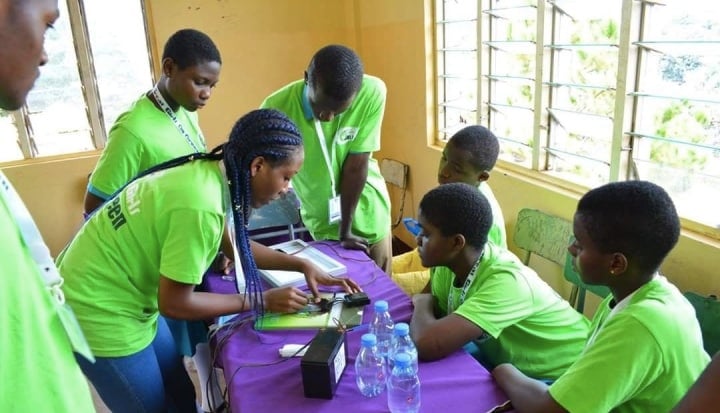
Be inspired by #BFPOxford Keynote speaker Monique Ntumngia, as she tells us more about the Green Girls Organisation, an award-winning clean energy technological innovation, which is creating a route towards economic independence for women and girls in Africa.
icon-content-article-grey
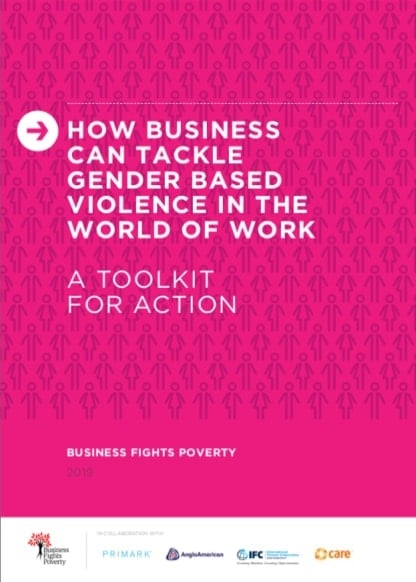
A toolkit with a five-step framework to help businesses tackle gender-based violence in the world of work. With Primark, Anglo American, IFC and CARE.
icon-content-report-grey
CARE International UK are delighted to support the Business Fights Poverty Challenge on business and GBV and to host the Women’s Equality Zone at the Business Fights Poverty Oxford conference on 11 July 2019. ​
icon-content-article-grey
A new report from Oxfam looks at Why unpaid care by women and girls matters to business, and how companies can address it ​
icon-content-article-grey
There were mixed views in February when U.S. “First Daughter” Ivanka Trump announced her Women’s Global Development and Prosperity Initiative with US$50 million in start-up funds. Many were left to wonder: Is this a publicity stunt by the Trump administration, more of the usual one-size-fits-all U.S. foreign aid programs, or a real commitment to drive change?  
icon-content-article-grey
30 leading business networks and individual brands are calling for negotiators to deliver a new international law to end violence and harassment in the workplace that genuinely benefits business and employees world-wide.
icon-content-article-grey
Pakistan has made progress in boosting women’s education levels over the past several years—yet less than 8 percent of the country’s workforce are women. Closing that gap will represent a huge economic opportunity for our country.​
icon-content-article-grey
The Cherie Blair Foundation for Women has launched a new organisational strategy with an ambition to empower 100,000 more women and girls to fulfil their potential as entrepreneurs in the next four years. But why is this focus important and what does the roadmap towards getting there look like? ​
icon-content-article-grey
Business can offer solutions to even the most vast and complex issues: climate change, gender inequality, unyielding technological advancement, hunger and water scarcity, to name a few. On the topic of gender-based violence (GBV) – any act that is perpetrated against a person’s will and is based on gender norms and unequal power relationships – the opportunity for business to have an impact is no different.
icon-content-article-grey
The focus for this week’s Business Fights Poverty Spotlight podcast is Helen McEachern, CEO for the Cherie Blair Foundation for Women. In her role, Helen is on a mission to impact women’s economic equality working with an organisation that she believes can change the ecosystem for women entrepreneurs.
icon-content-podcast-grey
The Guardian reported on a recent study that “Nearly half (43.1%) of 763 women interviewed in factories in three Vietnamese provinces said they had suffered at least one form of violence and/or harassment in the previous year”. The question is how buyers and suppliers address this issue?
icon-content-article-grey
Investing in women has several business benefits – from financial performance to innovation. And companies have made a significant progress on equality in recent years. But are we doing enough to empower women while building business value globally?
icon-content-article-grey
Giving women better access to finance could unlock $330 billion in annual global revenue. Yet 80% of women-owned businesses are not getting the credit they need.  In response, CARE International has launched a campaign calling on the financial sector to develop products and services that are specifically designed to meet the needs of marginalised women.
icon-content-article-grey

What do we mean by "Women"?

Sub-topics within this category

There are no sub-topics within this Category.