resources

As one of the most cited reasons for variations in yields, soil fertility and the ability to improve and manage it is key to the success of a smallholder. Tecnhoserve share their experience of boosting Maize yields in Kenya and how soil-testing can help predict return-on-investment for African farmers
icon-content-article-grey
Stanford Social Innovation Review curate eight articles from their archives- specifically for Business Fights Poverty—that offer insight into how companies can successfully orient themselves around purpose, both internally and externally, to reap its many rewards.
icon-content-article-grey
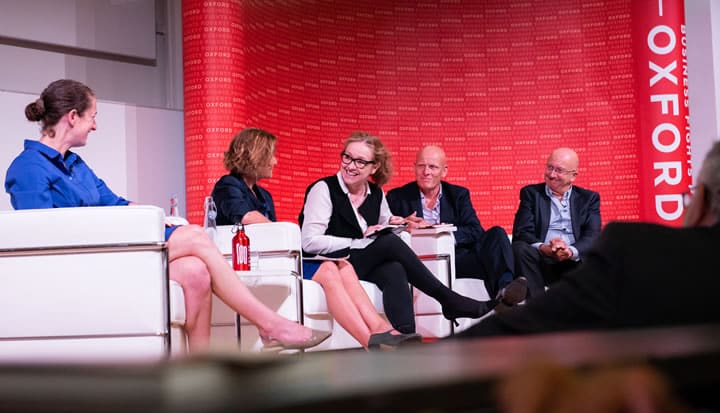
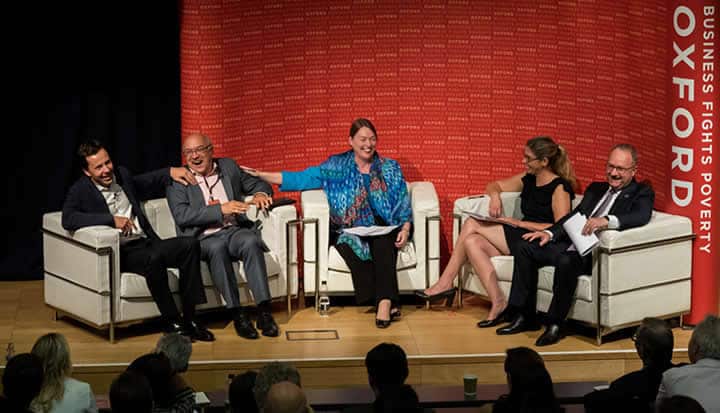
On 18 July, over 300 individuals from business, civil society and government came together for Business Fights Poverty Oxford 2018 to explore the themes of business, purpose and collaboration. Watch the videos of the plenary sessions.
icon-content-article-grey
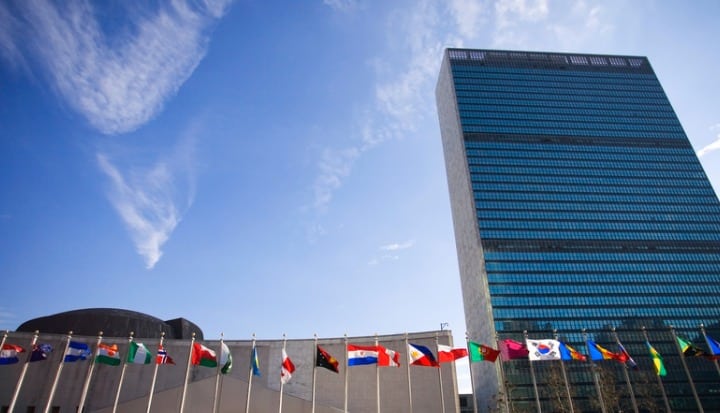
WBCSD share key takeaways from the recent 2018 High-level Political Forum on Sustainable Development, the UN’s central platform for follow-up and review of the implementation of the Sustainable Development Goals (SDGs)
icon-content-article-grey
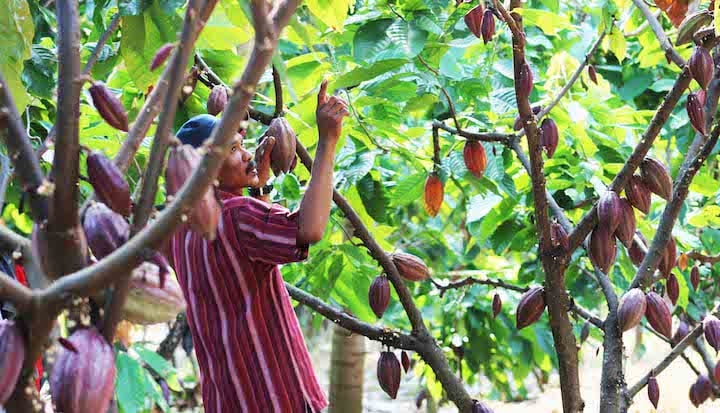
This year, ISEAL headed into the field to talk to certified small producers about the issues they face, their expectations of certification and their experiences with sustainability standards. In a new report, we outline the key challenges facing producers and suggest opportunities for standards to innovate to meet these needs.
icon-content-article-grey
Shift, in collaboration with WBCSD, has launched a first-of-its-kind compendium of 15 real-life case studies that illustrate what various individual companies and collaborative initiatives are doing to put business respect for human rights into practice and how those efforts go beyond “doing no harm” to show great promise in making powerful and positive contributions to the SDGs.
icon-content-article-grey
The Better Than Cash Alliance share their new report “The Future of Supply Chains: Why Companies are Digitizing Payments”. Drawing on data and interviews with around 40 companies and organizations, the report shows how digitizing supply chain payments is having a profound impact on global businesses, economies and individuals.
icon-content-article-grey
On 18th July our flagship Business Fights Poverty Oxford conference takes place. This interactive day will explore how to enhance business with positive social impact, through collaboration and building trusted relationships. Our friends at Ethicore and The Partnering Initiative are leading the Partnership Zone and will be challenging attendees to think differently about impact partnerships.
icon-content-article-grey
Last year, the new US administration proposed significant funding cuts to US overseas development assistance. In response, both CARE USA and Mars decided to advocate jointly to policy makers in the US Congress to make the case that US government aid spending should be maintained at current levels.
icon-content-article-grey
Oxfam, Unilever and Surf have come together to jointly advocate for public policies that recognise the burden of unpaid care and domestic work, and reduce and redistribute time spent on unpaid care and domestic work by girls and women through better access to public services, infrastructure and social protection policies.
icon-content-article-grey
International Alert, a peacebuilding organisation with over 30 years’ experience, and Anglo American, one of the world’s leading mining companies, share how they are working together to advocate for more respect for human rights and greater understanding of conflict-sensitivity within the extractive sector.
icon-content-article-grey
How can we strengthen business-NGO advocacy partnerships for the SDGs? GSK and Save the Children share their insights on advocating together for universal health coverage.
icon-content-article-grey
The IFC has developed a gender toolkit for companies in the infrastructure and natural resources sectors, offering a roadmap to conducting such an audit and designing a customized action plan to address obstacles to equality and inclusion in the workplace, across the supply chain, and in the communities in which they operate or invest.
icon-content-article-grey
Civil society and business are increasingly seeing joint advocacy as a valuable tool to overcome limitations with individual advocacy. Our new guide to advocacy collaboration highlights three opportunities to drive change in support of the SDGs, as well as six key building blocks for responsible and effective advocacy collaboration.
icon-content-article-grey
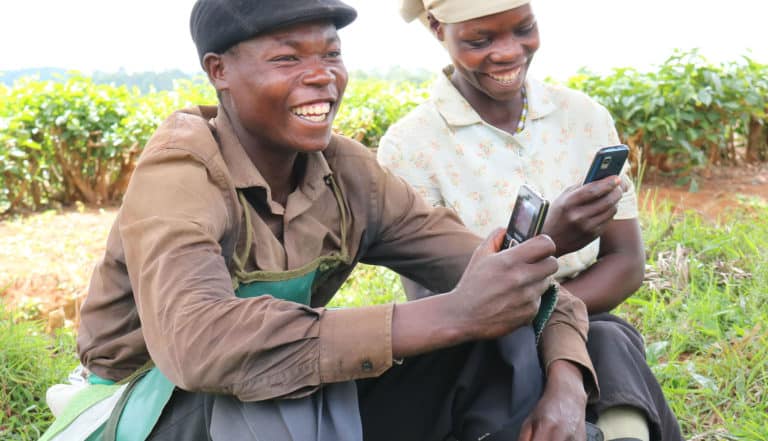
Mastercard believe that merchant acceptance is key to financial inclusion. Here they discuss advancing payment acceptance at the base of the pyramid and how new product solutions, business models and partnerships can advance both electronic payments and financial inclusion.
icon-content-article-grey
Kristin Komives, ISEAL’s Impacts Director, explores how sustainability standards drive the take up of sustainable practices, following the publication of a new research review.
icon-content-article-grey
Drawing on BSR’s 25 years of experience in designing, implementing, and scaling collaborative initiatives, this new report identifies the characteristics of successful collaborations and helps companies better understand how to prepare for and contribute to their success.
icon-content-article-grey
What can be done to help improve the contribution of low-cost private schools to the education of children from low-income families? And what are the conditions needed for low cost private schools to equitably and sustainably deliver better outcomes for poor communities in ways that will further strengthen national education systems as a whole?
icon-content-article-grey
GSMA, the UN Foundation and the Global Partnership for Sustainable Development Data met with UN agencies and country missions to discuss the actual and potential contribution of partnerships and data to a better world. GSMA shares concrete examples of how an industry sector is using partnerships and data to deliver real impact on people’s lives
icon-content-article-grey
The transition from lower- to middle-income status is complex and raises significant questions for the role of aid in the years ahead. THET lays these difficult discussions on the table and helps businesses to think about how their philanthropic and business strategies align… or not.
icon-content-article-grey

What do we mean by "resources"?

Sub-topics within this category

There are no sub-topics within this Category.