Implementing a living wage is challenging, particularly across diverse economic contexts. One promising solution to contribute to the living wage agenda is transitioning to digital wage payments, which offer greater transparency, security, and data accuracy for both workers and businesses.
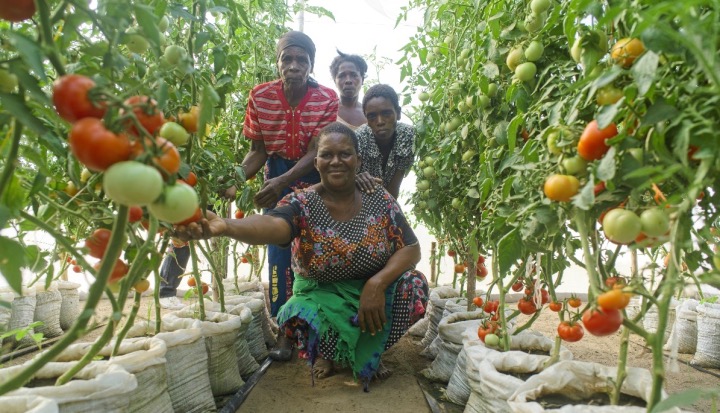
Malawian farmers face significant post-harvest losses due to lack of refrigeration and market access. Practical Action’s Renewable Energy for Agriculture project empowers women farmers with renewable energy technologies, enabling them to grow quality crops, store produce effectively, and secure regular contracts, resulting in increased income and reduced losses.
Gender equality is financially and morally good for big business. But what about SMEs, which are the engines of economic growth in countries of the global majority? To address this, USAID’s Feed the Future Market Systems and Partnerships (MSP) Activity tested the Women-Inclusive Return on Investment (WI-ROI) framework, generating valuable ROI insights.
To commemorate this MSME Day, Sarah Hewitt of Strive Women, delves into how small businesses, particularly those led by women, drive community growth, innovation, and economic resilience, despite facing significant barriers. Discover inspiring stories and strategies to support women-led enterprises and promote inclusive growth.

Enhancing women’s empowerment strategies faces resistance from power dynamics and short-term profit concerns. However, long-term and well-diversified investors recognize the sustainable benefits of diversity, equity, and inclusion, influencing firms to prioritize gender equality and reaping positive financial outcomes. This article explores the critical role investors play in promoting women’s empowerment in business.
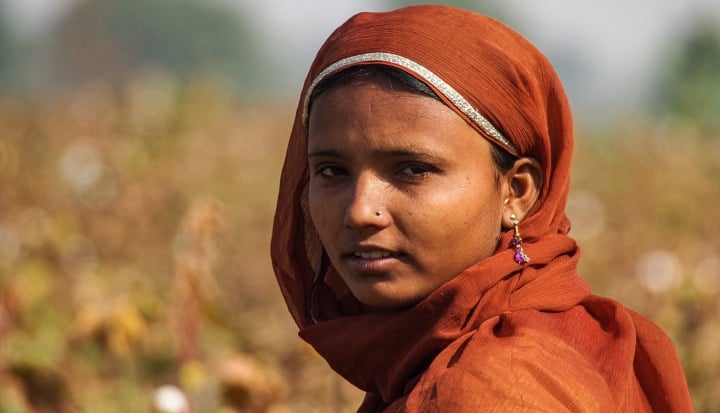
The textile and apparel industries are showing signs of progress on gender awareness and women’s empowerment. Yet, at the start of their supply chains, the cotton sector lags behind. So, Alia Malik asks: How can cotton sow fields of change?
Social Impact Pioneer Sam Ludlow-Taylor, John Lewis Partnership, talks managing gender inequalities in the supply chains of business. Through a partnership with the UK’s Foreign, Commonwealth & Development Office (FCDO)’s Work and Opportunities for Women (WOW) programme, this podcast highlights the practical steps and success stories that illustrate the power of focusing on gender issues within supply chains.
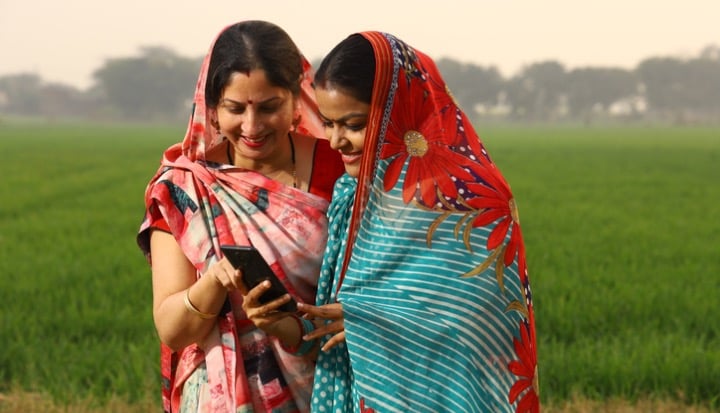
Explore the shift from cash to digital wage payments and its implications for women and businesses. This transition offers improved financial management for women and operational efficiencies for businesses. The Better than Cash Alliance share how digital payments contribute to economic stability and gender equity, supporting global gender equity goals.
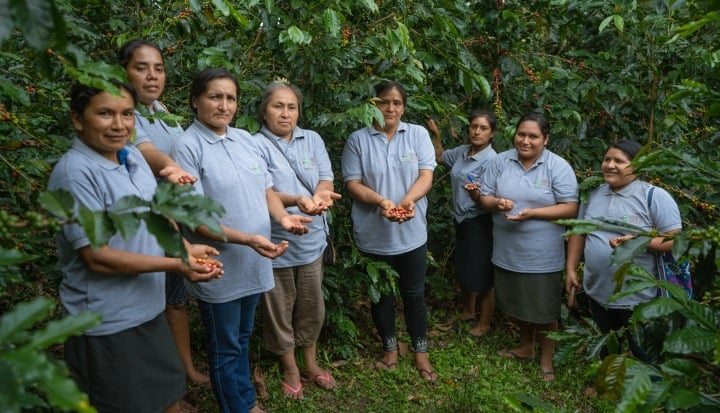
The contribution that women make to the coffee value chain often goes underappreciated and undercompensated. However, TechnoServe Global Gender Director Cristina Manfre argues that by shining a spotlight on the roles women play across the value chain, we can help them to improve their incomes and economic empowerment.
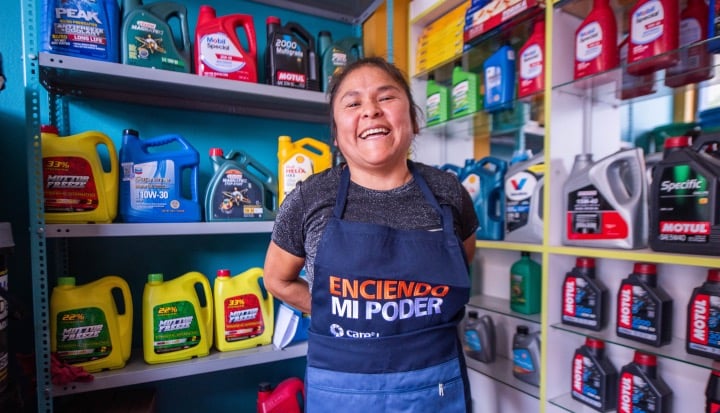
CARE USA’s Rathi Mani-Kandt shares insights on supporting women entrepreneurs and the privilege of collaborating with local partners to foster substantial systemic change for women.
A recent report from Citi Global Insights explores the gender health gap, and the contribution that FemTech – which applies digital technology to address health conditions that impact women– can make to closing it.
An online written discussion to exchange perspectives, examples, and experiences on how to communicate difficult social issues effectively. Thursday 23 May, 2pm to 3pm
Explore initiatives focused on gender equality, which are essential for promoting human rights and reducing global poverty. Click through to learn more...