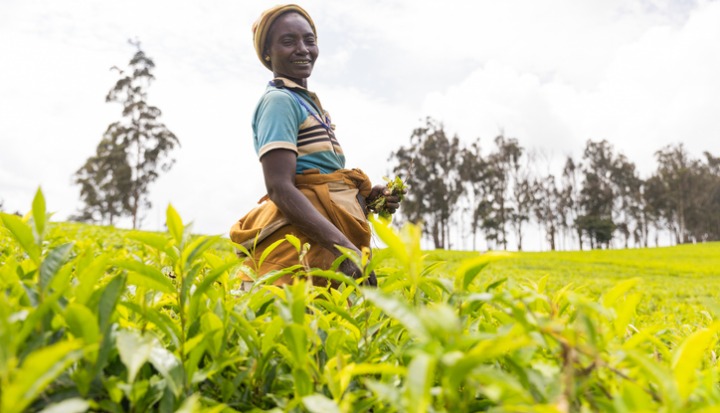
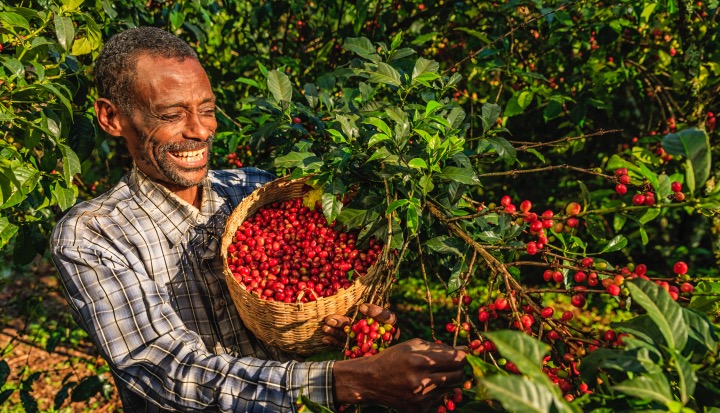
A recent study by the Fairtrade Foundation looking into carbon footprints and mitigation opportunities in Fairtrade supply chains has identified five key takeaways for businesses looking to reduce their scope 3 emissions while prioritising producer livelihoods.
Whilst climate negotiators meet in COP29 in Baku, businesses must take action to prevent and mitigate climate impacts on the human rights of workers in their supply chains. As the planet continues to warm, periods of extreme heat are growing in frequency and severity. Effective action depends on collaboration with workers and their representatives.
Global estimates measure a $3-4 trillion investment gap for adequate housing. By shifting resources directly to those in need for housing improvements, the private sector can play a major role in reducing the safety and health risks traditionally associated with informality in order to protect lives, assets, and wellbeing.
Integrating gender equity into the Voluntary Carbon Market (VCM) is crucial for ensuring both environmental and social sustainability. Carbon credit projects that empower women, particularly in developing regions, achieve better and more lasting climate outcomes with the potential to meet multiple Sustainable Development Goals (SDGs). By prioritising gender, businesses can strengthen project integrity and contribute to lasting community resilience.
Youth Business International (YBI) introduces its Youth Entrepreneurship Framework, developed with the Global Entrepreneurship Network. This comprehensive guide offers actionable strategies to support young entrepreneurs, focusing on green and social ventures. It provides 50 recommendations to help overcome common entrepreneurial challenges and promote sustainable, impactful businesses among the youth.
A new white paper from Heifer International and Fairfood International outlines a strategy to help suppliers and companies ensure farmers in commodity supply chains receive sustainable, living incomes. The paper details two open-source methodologies for determining actual production costs and efficiency for more transparent pricing and sustainability.
The Business Fights Poverty Global Goals Summit 2025, took place during the 80th UN General Assembly in partnership with Barclays, Standard Chartered, and Harvard
Ahead of International Women’s Day, the Global Equity Summit—our flagship gathering of leaders from business, civil society, and government took place on 5th and
As business and government leaders gathered in Davos, we brought together our global community to discuss the most pressing challenges and exciting opportunities as
The Business Fights Poverty Climate Justice Series ran alongside COP29 featuring a Community Forum discussion, as well as articles and podcasts to mark the occasion.
Companies today face the challenge of maintaining ambitious social and environmental innovation while navigating an increasingly complex regulatory landscape. During a hybrid workshop hosted
Strategic partnerships between business and not-for-profit organisations unlock opportunities for communities to strengthen their resilience to stresses and shocks – especially in today’s rapidly
The underfunding of young female entrepreneurs represents a missed opportunity for innovation and economic advancement. Addressing this financing gap is essential not only for
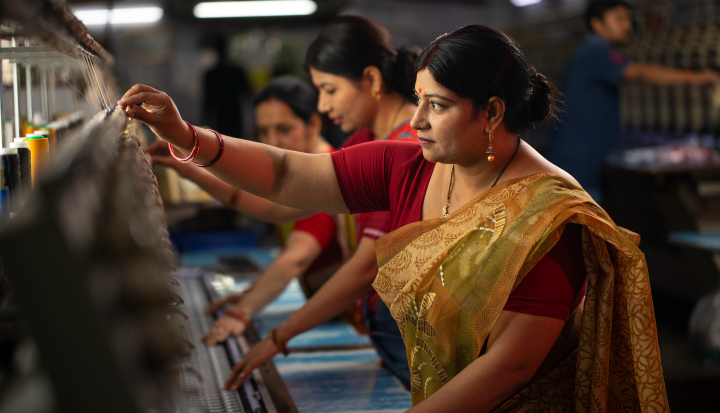
Primark and the International Research Centre on Women (ICRW) partnered together to better understand male attitudes to gender equity in factories in India. Male
As the world accelerates towards a low-carbon future, the mining sector is crucial in providing the metals and minerals essential for green technologies. However,
Engaging young people, women and diverse stakeholders in climate action is crucial for achieving sustainable and equitable solutions to global challenges. During a Fireside
This workshop convened social entrepreneurs from four continents, particularly those in the health sector, alongside key stakeholders from multinational businesses, policymakers, academia, NGOs and
Delivering timely and effective health care in rural communities presents unique challenges, from limited resources and geographical isolation to cultural barriers and lack of
Explore how economic growth can significantly reduce poverty through innovative business initiatives and strategic planning. Join us in making a difference.