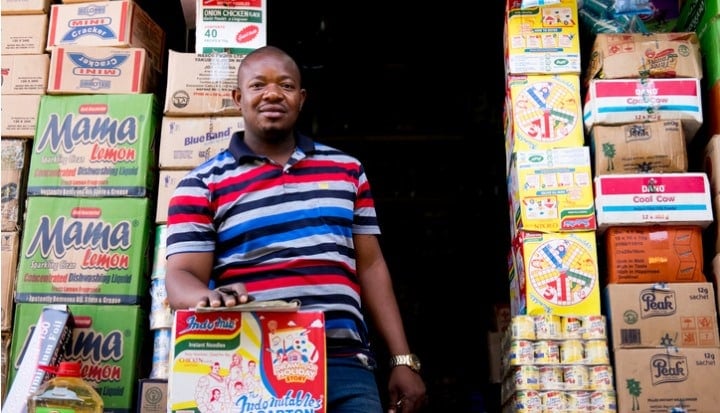
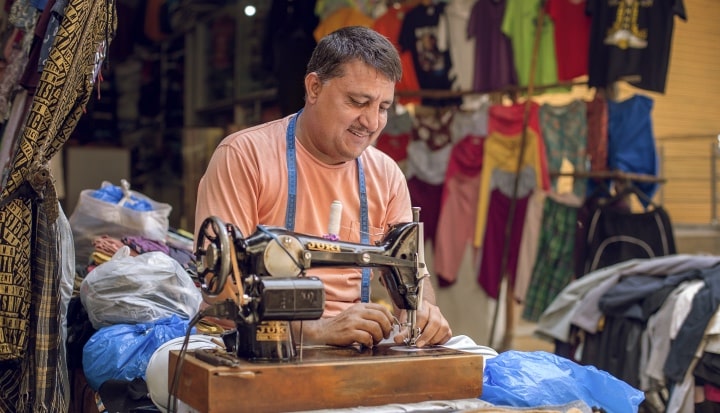
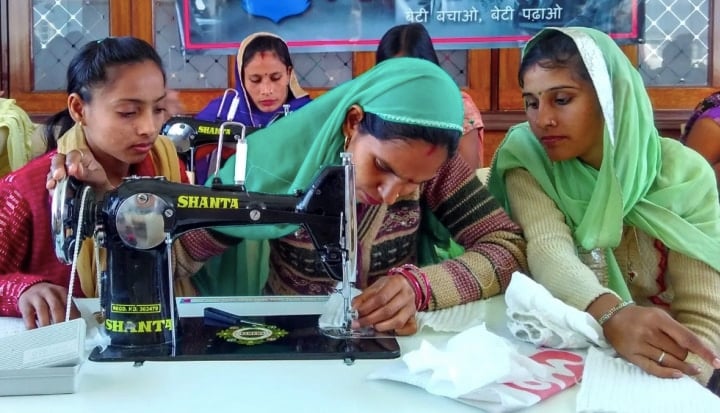
Join us for an online written discussion with a panel of experts to explore how we can ensure MSMEs thrive post COVID-19. Taking place on Thursday, Thursday 4 June, 3pm BST/ 10am EDT
If you want to hear first-hand insight of the impact of COVID-19 on factory workers in emerging markets, this podcast is for you. Meet Dominic McVey; Entrepreneur, Board member and adviser with companies, INGOs and governments in Sri Lanka, Ethiopia and Kenya. During our conversation Dominic provides candid insights of the effects of COVID-19 on vulnerable workers, value chains and the systems that support them
Concepcion Blanco, Senior Specialist, Client Solutions and Digital Innovation, BBVA Microfinance Foundation Cristianne Close, Global Leader, Markets Practice, WWF International Payal Dalal, Vice President,
As COVID-19 spreads in countries around the world, governments have already started to address the economic and livelihood challenges posed by the constraints the pandemic has put on behaviour and employment. These measures will help cushion the impact of COVID-19 on employment in wealthier areas. But what about lower-income countries?
As Americans are bracing for the health fallout from the COVID-19 outbreak, the nation’s Main Street businesses are fighting for their survival. Salon owners, event planners, shopkeepers and restaurants are being forced to make hard choices—pay their bills or their employees—and the workers who rely on them for their livelihoods face prolonged economic hardship.
Neil Fleming shares his first-hand insight into what it’s like supporting small and medium sized businesses globally during the COVID-19 pandemic; highlighting the vital importance of SMEs in job creation now and in the future and the real risk of many businesses going under. Neil is Director at The Challenges Group, an international NGO working across 66 countries, with five offices in sub-Saharan Africa.
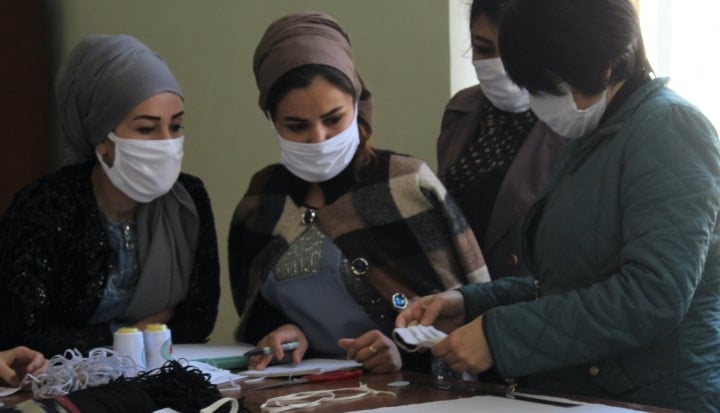
As of 14 April, Tajikistan had not announced the confirmation of any COVID-19 cases. Over recent months, the authorities have taken drastic measures to help keep the coronavirus at bay. The border with China has been closed since 24 January and entry from Iran was halted on 23 February. All commercial flights were suspended on 20 March and traffic to and from Kyrgyzstan was suspended on 24 March. Schools, however, are still open and people are going to work as normal.
Globally, in the last couple of weeks, we have seen collaboration apps and start-ups like PhoneSoap and Slightly Robot develop innovations catering to respond to the challenges from the ‘new-normal’, of our lives. From the emerging market context of India, particularly in the state of Kerala, I am noticing a relatively silent (for the global audience), but remarkable response of entrepreneurs and innovators to the pandemic.
Professor Colin Mayer CBE has devoted his life, learning and career to the role of business in society – from governance and taxation to responsible and ethical business decision making.
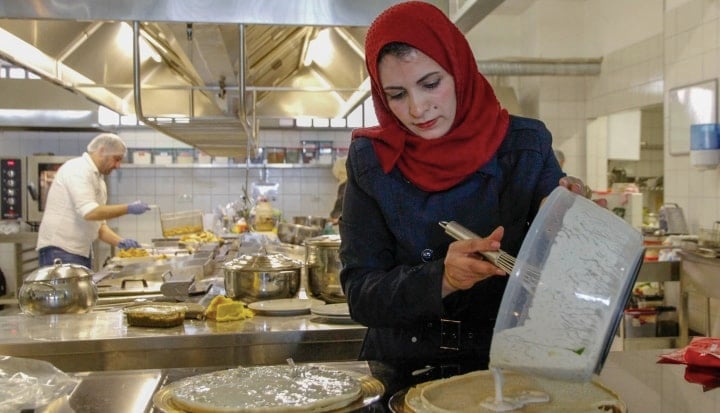
Food entrepreneurship is a growing area of livelihood creation that has gained traction as countries search for ways to address the refugee crisis. We provide recommendations for how the business community can provide support to refugee food entrepreneurs.
Beneficial household products such as solar lights, improved cookstoves, water purifiers, nutritional supplements and agricultural inputs can play a significant role in achieving the Sustainable Development Goals. But these products can’t make an impact if they don’t reach the last mile customers who could benefit from them.
While the social impact and business agenda is shaping up for 2020, we first wanted to share the most popular stories we published in 2019 with you. A huge thank you to the authors featured in this list and to all of you who made contributions. We hope these stories inspire you and welcome your submissions this year*.
I have vivid memories, from the years I spent working on social impact in-house for big business, of scrambling for Board or Exec report around this time. ‘Please summarise the key social impact trends and the effects on business’, was the exam question. This year, I thought I would do the same for you. Feel free to borrow, comment and add your own.
During Business Fights Poverty NYC, expert insights were shared contributing towards a Challenge to find out how business can take an ecosystems approach to support Micro, Small and Medium Enterprises (MSMEs) in their extended value chains.
To mark the launch of a new Challenge supported by Walmart on the Future of Work, Enrique Ostalé, Regional CEO of UK, Latin America and Africa at Walmart International, and Zahid Torres-Rahman, Founder and CEO of Business Fights Poverty joined Brad Staples, CEO of APCO at Concordia’s 2019 Annual Summit, to speak about International Future of Work Trends.
MSMEs are vital drivers of growth for large companies and the lifeblood of communities, but many continue to struggle with multiple challenges. All those organisations with a stake in their success – large companies, governments, donors and funders, and NGOs – need to move towards a more holistic and joined-up approach to enterprise support with the goal of strengthening the underlying ecosystem in which MSMEs operate.
Be inspired by Business Fights Poverty NYC keynote speaker, Naureen Hyat, as she tells us about Tez Financial Services, a Visa Everywhere Initiative award-winning technological innovation, which is positioned to bridge the gap towards the financial inclusion of women in Pakistan.
Impact champions such as India’s Empower Pragati are turning the impact measurement field around. Rather than defining impact based on past activities, they are using ongoing business activities to guide how they chart the course for the future
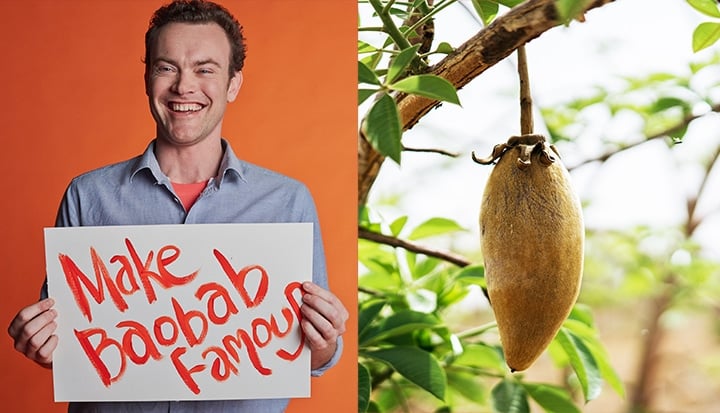
15 years ago I was working in the London advertising industry, promoting products I didn’t believe in for clients who didn’t appreciate it. I ended up asking myself ‘What am I doing with my life?’
What do we mean by "Micro, Small and Medium Enterprises"?
Explore how empowering micro, small, and medium enterprises (SMEs) can drive economic development and reduce poverty by fostering innovation and job creation.