Case Studies

The coronavirus has exposed just how fragile our lives are. Over the past decade, even though there have been increasing calls for a change to global economic and political systems, those voices remained on the periphery. However, as the pandemic unravels these systems ever more rapidly, calls for systemic change have shifted from the margins to the mainstream.
icon-content-article-grey
Mobile payment systems, artificial intelligence, blockchain—such digital innovations have exploded in the last few years, and with good reason. Their capacity to harness vast amounts of data means they can improve transparency and decision-making for all kinds of industries—not least of all, for food production.
icon-content-article-grey
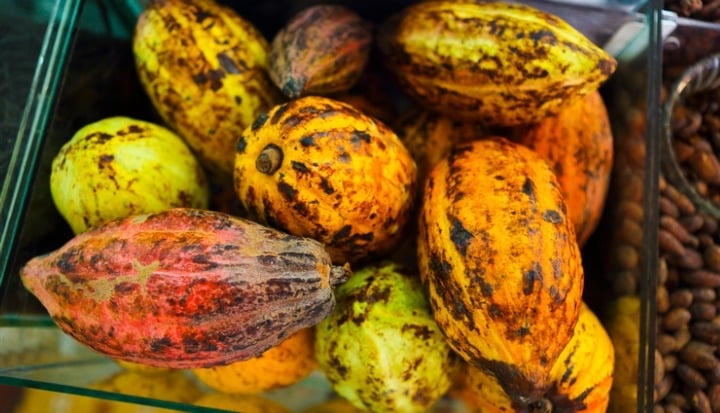
Ghana is among the world’s leaders in the use of mobile money, but shockingly, the cocoa sector still pays upwards of 7 billion cedis (US$1.2 billion) every year in cash and checks to purchasing clerks, who then transfer it to farmers in cash. This means over 90% of the farmer transactions are still made in cash. Our organizations have released today new analysis showing that the costs and risk of cash to the cocoa sector are valued at more than $20 million every year, or more than 20% of turnover for all LBCs.
icon-content-article-grey
Five tips for how social sector organizations can use technology to help combat COVID-19’s economic impact
icon-content-article-grey
The impact of the COVID-19 pandemic has been devastating, particularly for impoverished countries with weak or non-existent health care and social protections and insufficient fiscal space to help struggling businesses. 
icon-content-article-grey
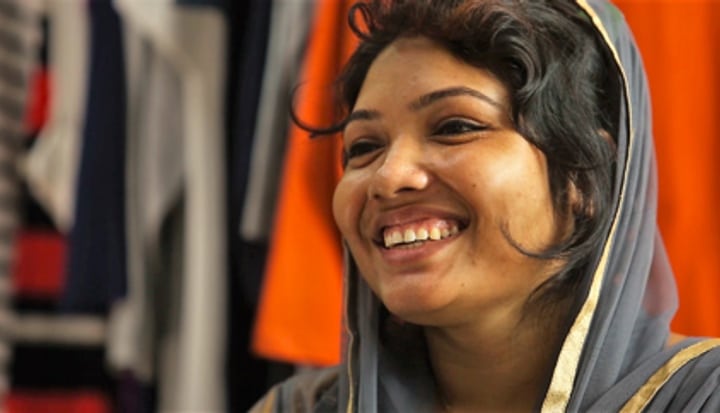
In March, when we announced the taka 5000 crore stimulus package (about $600 million) to pay workers’ salaries in export-oriented sectors, particularly ready-made garments which account for over 80% of the country’s exports, we encountered a major roadblock. Only 1.5 million of the 4 million workers were paid digitally. The rest were paid in cash.
icon-content-article-grey
Among its many impacts, the COVID-19 pandemic has the potential to reverse recent gains to women’s economic empowerment. This article by TechnoServe Gender Director Cristina Manfre presents a strategy to ensure that the global community’s response to the pandemic safeguards against the risks to women’s livelihoods and enables them to help lead the economic recovery.
icon-content-article-grey
The time for treating coronavirus as only or even principally a health crisis is over, says Hand in Hand International CEO Dorothea Arndt. NGOs are urgently refocusing on livelihoods – and they need the business community’s help
icon-content-article-grey
Learning from the COVID-19 pandemic, what actions can be taken by businesses, governments and supply chain partners to build resilience in smallholder cotton farmers to withstand future shocks? CottonConnect asked farmers in India and Pakistan what they needed, and makes recommendations for increasing agricultural, financial and market linkage resilience.
icon-content-article-grey
Crowd funding has been a sea change for start-ups, but more work needs to be done to make it accessible to developing world entrepreneurs. In addition, large companies and development charities could do much more to use a small part of their procurement budget to support start-up ecosystems.
icon-content-article-grey
COVID-19 may significantly hinder economic and social development across Africa. If the continent is to recover, then micro-entrepreneurs and SMEs will be the engine of growth. Local businesses will provide livelihoods for millions of people and goods and services to a growing consumer base. At the heart of this business-led recovery will be digital technology; a catalyst for inclusive growth.
icon-content-article-grey
The Business Partnerships Platform brings government, business and NGOs together to scale business opportunities for social impact. The BPP, supported by the Australian Government and implemented by Palladium, has invested in 33 cross-sector partnerships. Our partners are rapidly pivoting their business models and finding innovative ways to support staff and communities during the COVID-19 crisis. 
icon-content-article-grey
As Covid-19 wreaks havoc on lives and livelihoods around the world, fulfilling a social purpose has never been so important to businesses or their customers.
icon-content-article-grey
COVID-19 has increased the urgency for reliable, accessible and regular health information, and forced a shift to remote community engagement and greater focus on local-led responses. Our experience in Kenya shows that capacity building and mobilisation of local informal businesses through digital technology can empower high-risk communities with knowledge to combat COVID-19 and reduce financial barriers to essential health and hygiene products. 
icon-content-article-grey
As the COVID-19 crisis takes a massive economic toll, financial inclusion will be critical to helping the poor recover. Microfinance institutions should work in tandem with businesses to build community resilience and boost economic growth.
icon-content-article-grey
WWF is supporting the Business for Nature Coalition in convening a major global leadership event on 15 June to address the vital role of nature in building a resilient future for everyone. This unique virtual event will bring together CEOs from five large multinational companies with the heads of key UN institutions in exactly the type of conversation and collaboration we need to grow in the coming months.
icon-content-article-grey
I am really pleased to announce that, this week, we’ve launched our Cocoa Sustainable Livelihoods Landscape Study. Co-authored by Naomi Somerville-Large and Antonio Capillo at the Fairtrade Foundation, this study is published as part of our partnership with Cocoa Life – Mondelēz International’s global cocoa sustainability programme. 
icon-content-article-grey
UN Secretary-General António Guterres has called for nations to ensure that the recovery plan for the Covid 19 crisis creates a fairer, more sustainable world, with six green ambitions at the heart of his proposed strategy. With nation states jostling up against each other it’s unclear how the new power dynamics will look once the dust has settled, and what the appetite or potential might be for this kind of unprecedented shared effort.
icon-content-article-grey
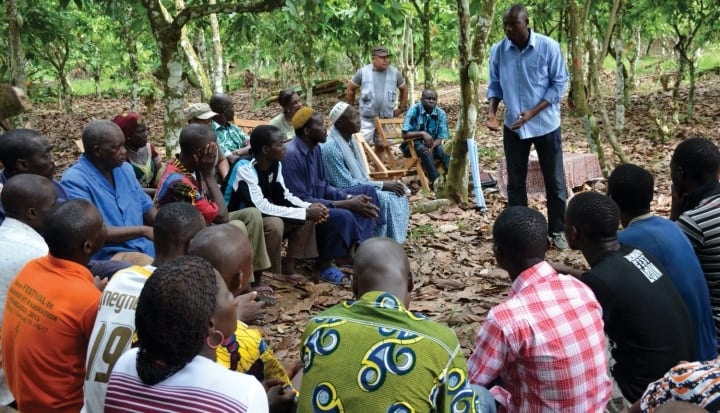
We know that farmers are earning revenues from cocoa that are far below what they need to enjoy a living income. The challenge we now face is how to change this? How can we assist farmers to grow their incomes and bridge the gap, and moreover, how might we build resilience and security into livelihood systems as we go?
icon-content-article-grey

What do we mean by "Case Studies"?

Sub-topics within this category

There are no sub-topics within this Category.