Case Studies

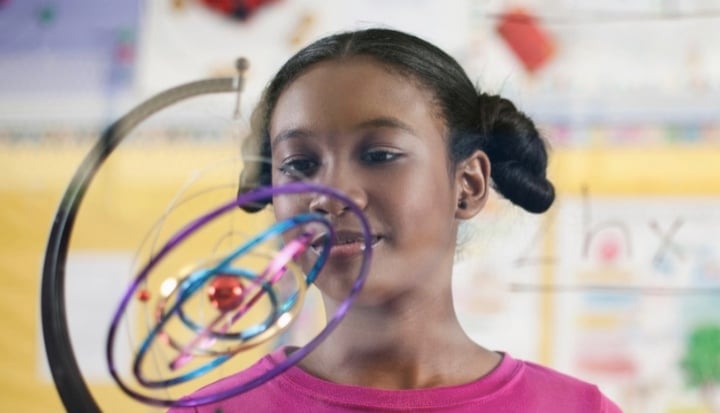
If leaders are made, and not always born, then why not begin nurturing women leaders as soon as possible? Envision Lead Grow program intercepts girls at 10 years old. Over the course of eight years, the program nurtures their entrepreneurial skills as they become “girl bosses.”
icon-content-article-grey
Violence against women, in all its forms, is about the abuse of power as an expression of entitlement that underpins patriarchy. A new book Tourism and Gender-based Violence: Challenging Inequalities draws attention to the ways in which tourism may perpetuate gender inequality in its most exaggerated form.
icon-content-article-grey
Because of pervasive inequalities, women are vulnerable to the lasting economic impacts of the COVID-19 pandemic. This article highlights some of the ways we can strengthen the resilience of women farmers and entrepreneurs during the crisis and aid their post-pandemic recovery.
icon-content-article-grey
New research from Citi GPS and Plan International argues that 100% upper secondary school completion rates for girls by 2030, could lift GDP in emerging economies by 10% on average compared to a business-as-usual scenario. Structured cross-sectoral collaboration is vital, with the role of business paramount to effectively tackle the barriers that adolescent girls face.
icon-content-article-grey
What would happen in your community if women who wanted to start their own business or pursue a professional career had the opportunity to do it? From addressing closing the pay gap, to finding new caregiving solutions, we need governments, business leaders, and investors to make gender equality happen. Find out more in this article.
icon-content-article-grey
The COVID-19 pandemic is affecting farmers, entrepreneurs, and workers across the globe, but its economic impact on women is particularly severe. How can the private sector, governments, and civil society ensure that women can continue to do business amid the pandemic?
icon-content-article-grey
As part of their series on lessons from the coronavirus pandemic, IIED look at how COVID-19 has increased gender inequality and the need to tackle multiple forms of disadvantage in the global South.
icon-content-article-grey
2020 has been an incredibly difficult and uncertain year for everyone, especially for young entrepreneurs across the world. As global and local economies have suffered as a result of COVID-19, many entrepreneurs have faced the prospect of failure. YBI’s response has been to help these entrepreneurs survive and thrive.
icon-content-article-grey
Unlocking an economic boost by investing in renewable energy can be a pillar of the COVID-19 recovery, but will require significant work to align actors across the sector. Read more in this article, the second in a series on Renewable energy investments, from the Clinton Global Initiative and Resilience Capital Ventures.
icon-content-article-grey
The coronavirus pandemic has affected food systems around the world, leading to disruptions in production and food supply. Calls to ‘build back better’ and strengthen the resilience of agricultural value chains are now mainstream. Business practices and markets that support regenerative agriculture need to be part of this.
icon-content-article-grey
Zipline helps national health systems react effectively to medical emergencies in remote communities. Here they share their past experience in combatting Ebola in West Africa, and their current role in Ghana and Rwanda’s efforts to plan and respond to COVID-19.
icon-content-article-grey
In the wake of the outbreak of the novel corona virus and realizing the need to disseminate information about the spread and prevention of COVID19 and other health-related issues, the Community Tablet initiative, with support received from the United Nations Industrial Development Organization (UNIDO) and the Global Environment Facility (GEF), is conducting digital campaigns in communities that are otherwise excluded from digital information.
icon-content-article-grey
With a global recession and increasing food insecurity, rural development needs to focus on more than just improving agricultural productivity. Innovative financing is critical to strengthening rural economies in developing countries. Impact investments are particularly suited to address rural inequities in a post-COVID world.
icon-content-article-grey
As the world continues to produce, buy, and discard newer and more advanced electronic devices and appliances, countries are also facing the growing problem of what do with the waste generated when these products are discarded. If not properly processed, this e-waste (also known as waste electrical and electronic equipment or WEEE), poses a serious threat to the environment and to public health, especially in developing countries where e-waste is often shipped.
icon-content-article-grey
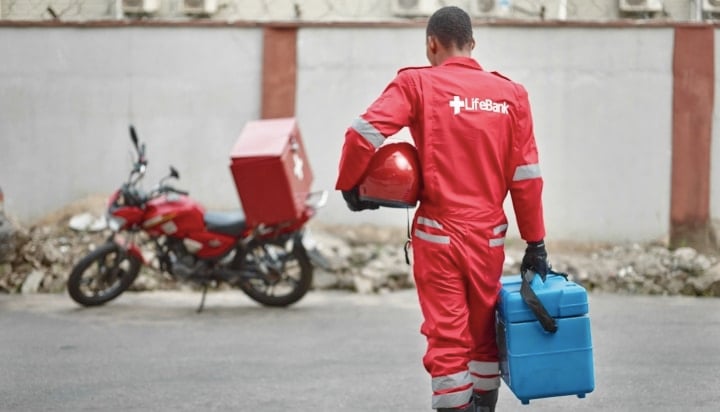
Carolina Zishiri and Andrew Kaiser-Tedesco interview Temie Giwa-Tubosun, Founder and CEO of LifeBank; Africa’s healthcare supply chain engine. Temie has years of health management experience with the Department For International Development (DFID), World Health Organization, UNDP, and the Lagos State Government. In 2014, the BBC listed her as one of the 100 women changing the world. She was also recognised as an African innovator by Quartz and the World Economic Forum.
icon-content-article-grey
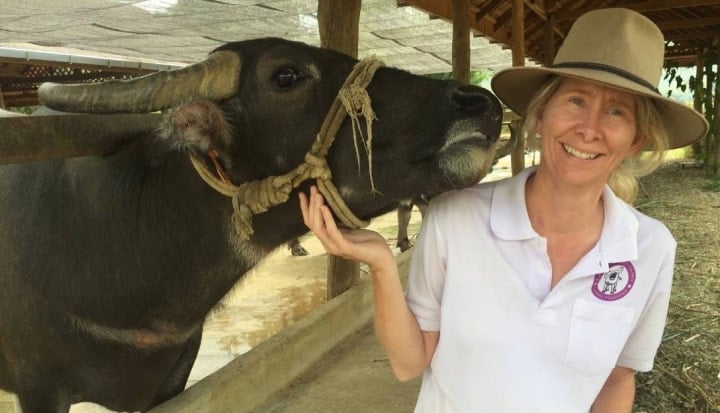
The Business Partnerships Platform creates partnerships between the Australian Government and inclusive businesses for social impact. A partnership in Laos is scaling a commercial buffalo dairy – connecting with small holder farmers and promoting the benefits of buffalo milk. Hear more on the business challenges and COVID-19 pivot from founder and entrepreneur, Susie Martin.
icon-content-article-grey
While calls to ‘build back better’ from COVID-19 are now reverberating across parliamentary halls and board rooms the world over, for many decision makers the question is: how? Involving and investing in small enterprises is part of the answer.
icon-content-article-grey
In global supply chains a rapid shift to digital payments has, in the short term, enabled critical support to reach the most vulnerable populations: low-income workers who rely on regular wages or government payments to feed and support their families. More broadly, however, the shift has highlighted the longer-term potential of digital wages to drive financial inclusion and resilience.
icon-content-article-grey
From Europe to the US and beyond, coronavirus exposed huge vulnerabilities in systems worldwide. Nowhere was the damage more keenly felt than in developing countries, where incomes disappeared, savings soon followed, and food security cratered seemingly overnight. The livelihoods that Covid-19 broke so quickly will take years to rebuild, just as they did the first time. Given how readily they crumbled, can we afford the build them back the same?
icon-content-article-grey
The WTO has recently predicted that the economic impacts of the coronavirus pandemic will be disproportionately felt by women, with a ‘pink collar recession’ threatening to roll back the gender equality gains of recent decades.  In the UK, there are indications that women are bearing the brunt of redundancies, mothers are more likely than fathers to have been furloughed, and women have done the greater share of domestic and caring work during lockdown.
icon-content-article-grey

What do we mean by "Case Studies"?

Sub-topics within this category

There are no sub-topics within this Category.