Case Studies

Vidya Rangan, impacts and evidence senior manager at ISEAL, discusses the role of sustainability systems in providing an enabling environment for the systemic change needed to holistically progress on human rights.
icon-content-article-grey
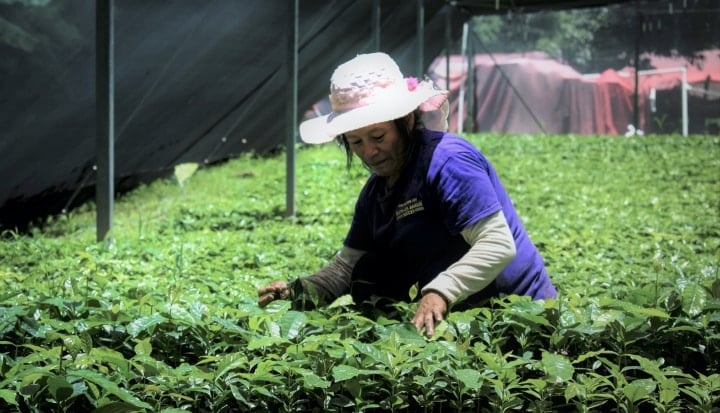
Agriculture is not working for people or the planet. The statistics are startling. 78% of the world’s poorest people remain reliant on agriculture, 33% of the world’s soils are degraded (a figure that could rise to 90% by 2050) and agriculture contributes to about a quarter of global climate emissions (stats from the World Bank, the FAO and the IPCC respectively). There is an emerging consensus that we need to move to a more regenerative food system.
icon-content-article-grey
As part of a series of interviews with participants of the Ghana Women in Energy conference, Dr. Cherub Antwi-Nsiah and Mrs. Ellen D. Eyison Dzah of Ghana’s Millennium Development Authority (MiDA) recently sat down with her to talk about her work and her experience as a woman working in a male-dominated sector.
icon-content-article-grey
In this blog, Fairtrade reflects on some of the learnings from the Cadbury Farmer Resilience Fund, a partnership between Fairtrade, Mondelēz International and the FCDO.[1]  The importance of “tri-partite” partnerships between business, NGOs and government, co-creation with producers and embedding gender inclusion and climate resilience will be critical to ensure sustainable livelihoods in global supply chains.
icon-content-article-grey
PVH Corp.’s nutrition partnership with The Power of Nutrition showcases how the ready-made garment sector in Bangladesh is uniquely placed to help lifting the country from the burden of malnutrition and drive social impact for women and communities.
icon-content-article-grey
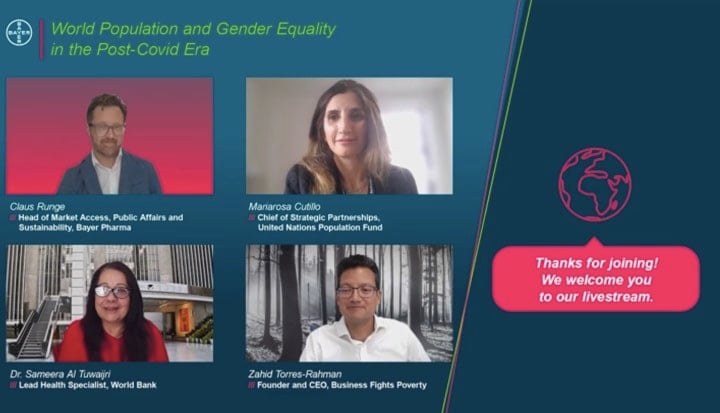
The pandemic has caused international upheaval in terms of development aid and gender equality. At a time when especially girls and women in low- and middle-income countries need more support than ever before, it has been even more challenging to get the needed funding and assistance. What does the future hold? Experts from the UNFPA, The World Bank, and Bayer Pharmaceuticals came together to discuss.
icon-content-article-grey
A year into the onset of the pandemic, years of progress in health and nutrition are being upended. A community-driven response is key to delivering undisrupted, essential healthcare services to the most vulnerable across Bangladesh.
icon-content-article-grey
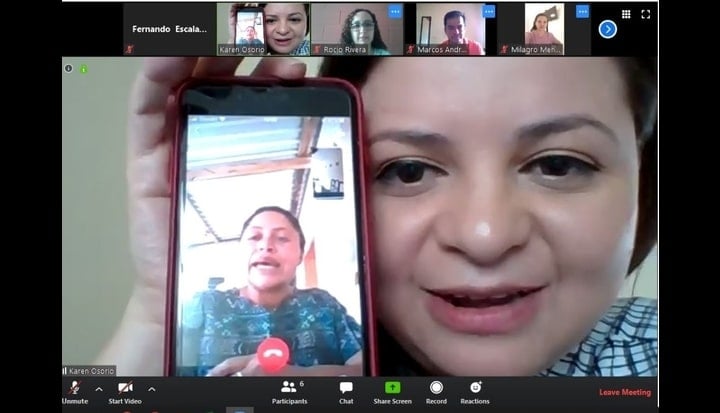
Smallholder farmers are remote, disconnected and harder to reach than ever as a result of COVID-19; how can we ensure their voices are heard?
icon-content-article-grey
What does it mean to ‘build capacity’ of healthcare workers globally? We know that clinical expertise must be matched with knowledge and appreciation of context – politics, policy, economy, culture.
icon-content-article-grey
A catalytic collaboration in Vietnam is stimulating business growth for women entrepreneurs by challenging misconceptions and improving access to finance, networks and critical support services.
icon-content-article-grey
Globally, women farmers struggle to access land, credit, and training and bear a heavy double burden of farm and household responsibilities. These gender inequalities pose a serious risk to women farmers in the face of climate change.
icon-content-article-grey
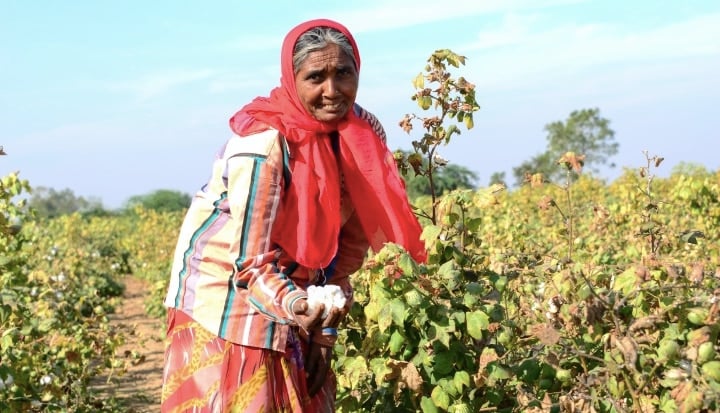
CottonConnect’s understanding of the effect of climate change on cotton farmers led to its people-centred approach as it works to create climate resilient farming communities, who can respond to the challenges to their farms and livelihoods through training, technology and adapted crop planning.
icon-content-article-grey
As the humanitarian landscape changes and COVID-19, with its associated economic turbulence accelerates need, business has a key role to play in supporting the livelihoods of refugees. The Business Refugee Action Network (BRAN) has explored the implementation of new, business-led approaches to employing refugees and reflected on the impact of COVID-19.
icon-content-article-grey
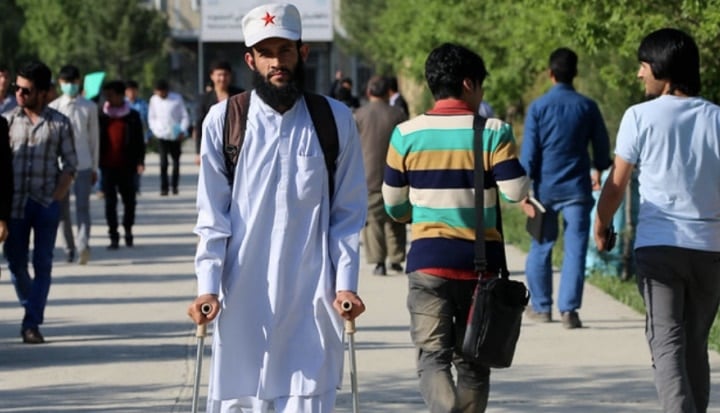
Digital jobs are opening up important new work opportunities for youth with disabilities in developing countries. The COVID‒19 pandemic has accelerated the expansion of jobs which offer flexibility, accommodations for disability and functional access for remote communities.
icon-content-article-grey
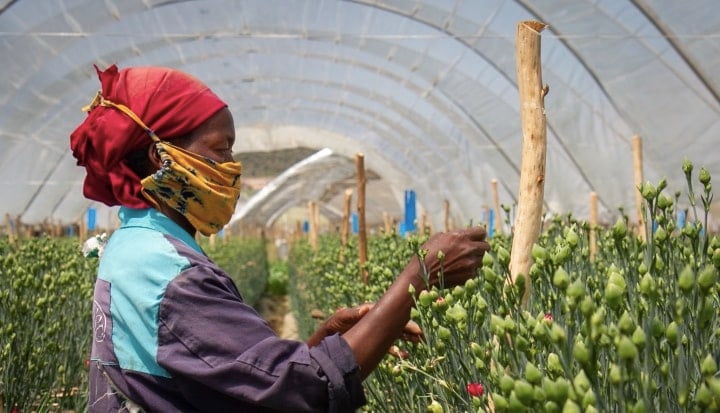
When the COVID-19 pandemic struck, global supply chains were hit hard, affecting millions of workers across the globe. In the Kenyan floriculture sector, the subsequent 25-40% air freight reduction has meant lower export rates, a supply slowdown, and loss of jobs for thousands.
icon-content-article-grey
Greater food sovereignty in Haiti would support local farmers and reduce the risk of hunger crises in the future. A growing network of organizations is pushing Haiti in that direction, allowing more Haitian farmers to support their own families while getting food to those most in need. Acceso Haiti is part of that expanding ecosystem.
icon-content-article-grey
Climate change has made farming in Nepal even more difficult, with unpredictable weather and rapidly shifting conditions resulting in failed crops and wasted labour. It doesn’t have to be this way, and big change is possible, even in the face of the challenges the shifting climate presents.
icon-content-article-grey
If we are to build a future that truly leaves no one behind, as envisioned by the Sustainable Development Goals, we need to move towards a world in which companies respect and value all people. The task ahead is complex, but social metrics such as the ones proposed in the World Benchmarking Alliance’s social transformation framework can help light the way, increase accountability, and enhance collaboration.
icon-content-article-grey
These numbers show that when entrepreneurs receive support, they can innovate, adapt, and overcome enormous obstacles. But there are millions of entrepreneurs in the world, still facing down the prospect of losing their business amid the lingering crisis. Civil society, government, and the private must work together to reach these women and men.
icon-content-article-grey
The flower and plant industry must move towards achieving living wages for underpaid horticultural workers in low-income countries and must support efforts to improve the rights of workers, so they can begin to build resilience to crises such as Covid-19, says the Fairtrade Foundation.
icon-content-article-grey

What do we mean by "Case Studies"?

Sub-topics within this category

There are no sub-topics within this Category.