Case Studies

Through TechnoServe’s BeniBiz program, young entrepreneurs like Babatundé Oguidi are getting the training and technical advice they need to run successful micro-enterprises.
icon-content-article-grey
The Guardian reported on a recent study that “Nearly half (43.1%) of 763 women interviewed in factories in three Vietnamese provinces said they had suffered at least one form of violence and/or harassment in the previous year”. The question is how buyers and suppliers address this issue?
icon-content-article-grey
Smallholders produce around 80% of the world’s coffee and brands rely on them for a steady supply. Yet, smallholder producer organisations (SPOs) have been tarnished with the image of being disorganised and slow. At Twin, we know that SPOs can thrive as international businesses that create sustainable supply chains. In our latest report, we demonstrate how.
icon-content-article-grey
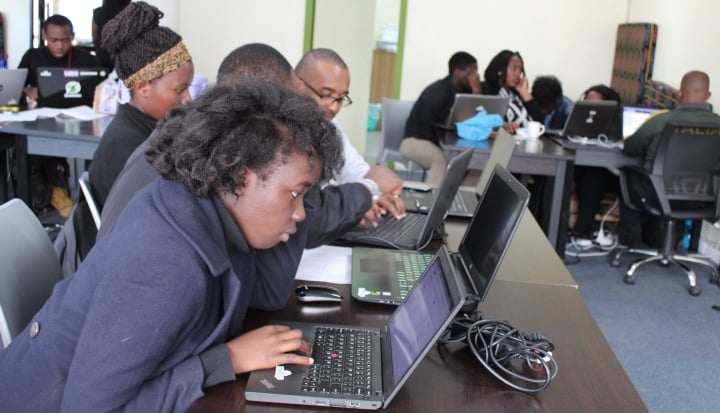
By 2022 Uganda’s ICT industry is projected to hit US$1.1Bn, and Kenya’s US$1.7Bn and will create around 40,000 new jobs. But, this is not enough to keep pace with the global expansion of the industry. While technology has the potential to tackle youth unemployment in Africa, the lack of qualified workers in Kenya and Uganda risks holding these sectors back.
icon-content-article-grey
Investing in women has several business benefits – from financial performance to innovation. And companies have made a significant progress on equality in recent years. But are we doing enough to empower women while building business value globally?
icon-content-article-grey
Katharine Teague, Head of Advocacy at AB Sugar, explains why one of the world’s leading sugar businesses has created The Innovate Irrigation Challenge  in partnership with WaterAid and the Centre for Industrial Sustainability at the University of Cambridge.
icon-content-article-grey
Giving women better access to finance could unlock $330 billion in annual global revenue. Yet 80% of women-owned businesses are not getting the credit they need.  In response, CARE International has launched a campaign calling on the financial sector to develop products and services that are specifically designed to meet the needs of marginalised women.
icon-content-article-grey
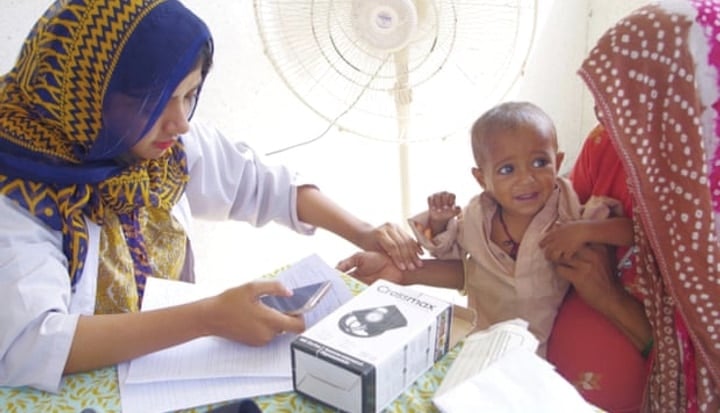
Jacob is on the front line of the fight against malaria in Tanzania. He has been leading a project, supported by Comic Relief and GSK, to train hundreds of volunteers to help equip communities with life-saving knowledge to help beat the disease. The progress they have made in just two years is incredible.
icon-content-article-grey
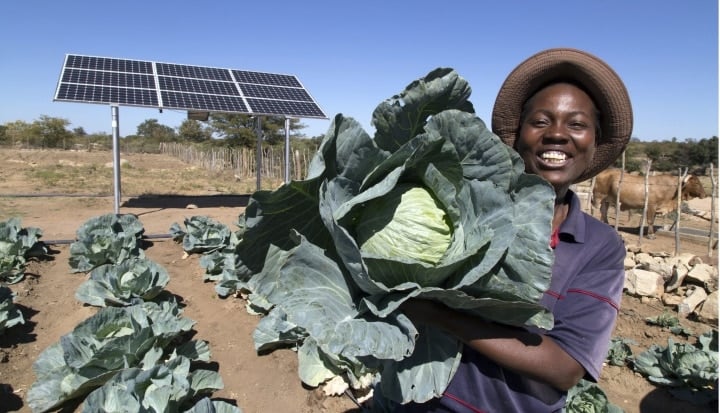
Practical Action and the IKEA Foundation have launched a new partnership worth €6.4million. The partnership will work with 6,000 young smallholder farmers in rural Kenya. Currently, half of the world’s small holder farmers go hungry. The partnership aims to develop the learning and evidence to demonstrate that sustainable farming can provide decent livelihoods whilst protecting the environment.
icon-content-article-grey
As greater traceability and ever-growing consumer interest in coffee origins increase the incentives for sustainable production, more opportunities to align profits and sustainability will emerge. If we are innovative and approach problems from a business perspective, we can help the supply chain grow even greener.​
icon-content-article-grey
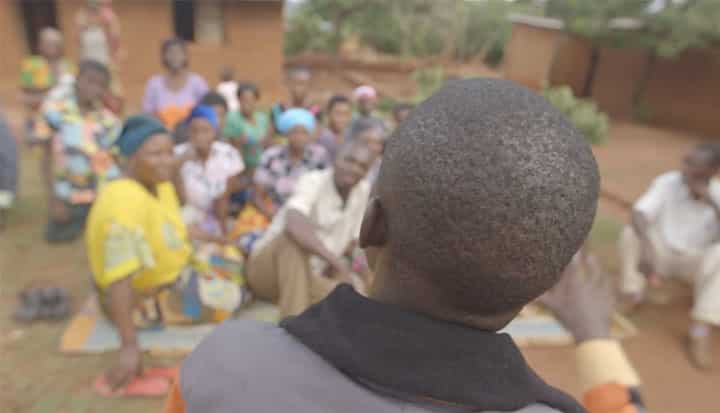
The Arusha region is home to Tanzania’s nomadic Maasai and other communities who farm and herd in the plains around Mount Meru. Communities here face life without light as soon as the sun sets, meaning that kids can’t play in the streets or study and families are often dependent on expensive and toxic fuel-powered resources to do their daily chores. It is also here that women are seeking a livelihood so they can take care of their families.
icon-content-article-grey
In the Nawa region in Côte d’Ivoire, Mondelēz International’s Cocoa Life partners with Impactum and CARE International to engage women and address climate change and deforestation through a Green Entrepreneurship pilot project. They are helping women learn the knowledge and skills needed to create a sustainable future for cocoa farming communities, and generate income for themselves and their communities. ​
icon-content-article-grey
Partnership overview: For Burberry, modern luxury means being socially and environmentally responsible. Key to this agenda is supporting diverse communities around the world that sustain the company’s supply chain, which means partnering for the long-term with NGOs like Oxfam to ensure quality livelihoods for those communities. But how does this work in practice?
icon-content-article-grey
Worldwide, women have much less economic opportunity, security, and freedom, but microloans help women obtain capital they otherwise would not have access to. This support allows women to start their own businesses, go to school and invest in the health of their communities and families, creating a ripple effect in which entire societies thrive and women are regarded as role models and leaders.​
icon-content-article-grey
As the rates of climate change, deforestation and biodiversity loss continue to increase, the urgency to address these sustainability challenges grows. In recent years, landscape and jurisdictional approaches have become an increasingly popular response to these challenges. Patrick Mallet, Innovations Director at ISEAL, and Akiva Fishman, Senior Program Officer at World Wildlife Fund, discuss what credible assurance at a landscape level looks like. ​
icon-content-article-grey
M&S has made a bold commitment to helping its supply chain convert from cash to digital wage payments, but they recognise they can’t do this alone. In this article, M&S celebrates what can be achieved through collaboration with partnerships, other businesses and NGOs.
icon-content-article-grey
Japan’s maker of water and housing products, LIXIL, has invested in a sustainable social business – SATO – to help bring affordable toilets to those that need them. In 2018, their work on SATO led them to a new partnership, “Make a Splash! Toilets for All” with UNICEF to tackle the global sanitation challenge. How did this partnership evolve and what has been learnt along the way?
icon-content-article-grey
Forests in cocoa-growing areas are essential to our chocolate. They make cocoa farms more productive through diversification and providing shade, and help absorb carbon emissions, helping create a balanced ecosystem in farming communities. Unfortunately, these forests are under threat. Deforestation is a pressing issue that the industry has a responsibility to address.​
icon-content-article-grey
Before promoting women’s empowerment abroad, NGOs should ensure that their own staff and operations reflect gender development goals through awareness training, affirmative hiring practices, and demonstrated leadership as well as implementing practical solutions in the workplace like childcare assistance, flexible schedules, and remote work options.
icon-content-article-grey
​How can technology be used to create inclusive financial infrastructure for women in remote communities? The Palladium-run SPRING Accelerator supports entrepreneurs who can bring products and services to adolescent girls. Read an interview with Accelerator participant, Amit Agrawal, CEO of Janaki Technology Pvt. Ltd., about his journey towards increasing financial inclusion for women in Nepal.
icon-content-article-grey

What do we mean by "Case Studies"?

Sub-topics within this category

There are no sub-topics within this Category.