Case Studies

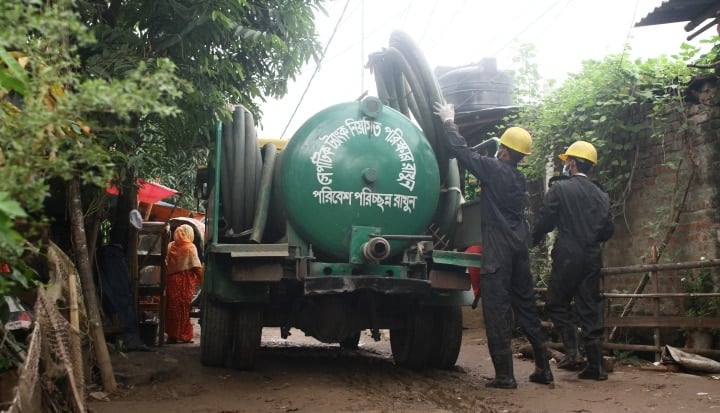
After four years of testing how entrepreneurs can deliver sanitation services to the poorest urban citizens in Bangladesh, a business model developed by Water & Sanitation for the Urban Poor is starting to create significant change. To mark World Toilet Day, we are reflecting on how this business model is achieving what very few other approaches have achieved: financially viable sanitation services which benefit low-income residents.
icon-content-article-grey
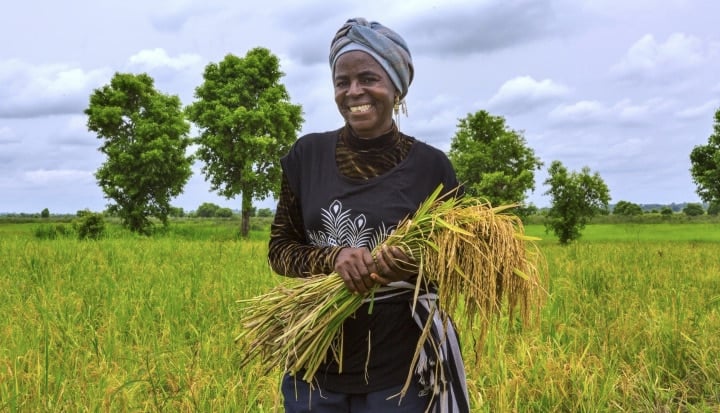
In conversation with Reji George, VP Rice Nigeria, Olam International and Dr Ben Odoemena, Country Programme Officer, UN International Fund for Agricultural Development (IFAD)  –finalists of the 2019 P3 Impact Award in recognition of one of the first public-private partnerships to have transformative impact in Nigeria’s agricultural sector. 
icon-content-article-grey
Sexual harassment and gender based discrimination have long been rife in the production of consumer goods. Barrientos’ new book, using the Kenyan flower industry as an example, highlights how campaigns can lead to positive change in business practice; subsequently benefitting both women workers and business performance.
icon-content-article-grey
When we think of social isolation it’s very easy to picture older, lonely people. But in reality, isolation affects people of all ages and backgrounds. More than one in five people in the UK feel lonely at least some of the time, making social isolation a major public health issue.
icon-content-article-grey
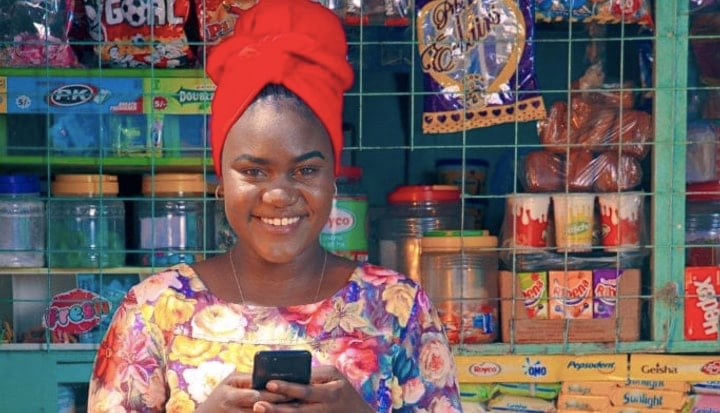
What are the pathways to prosperity in the digital age and how can we help developing countries navigate these pathways? Every1Mobile shares unique insights to help formulate a strategy that is truly inclusive and considerate of the digitally and economically disenfranchised.
icon-content-article-grey
SDG 17 calls for a revitalisation of global partnerships. In India and Nepal, a social enterprise, Pollinate Group, is working in partnership to empower women to distribute solar energy products in informal settlements. Pollinate Group is partnering with Greenlight Planet and the Australian Department of Foreign Affairs and Trade (DFAT) through the Business Partnerships Platform.
icon-content-article-grey
Inequality in income and availability of work between rural and urban areas are large contributors to a country’s overall economic inequality. In India, agriculture still employs more than half of the workforce, but wages are low and with rising education levels many young people no longer aspire to take over the family smallholder farm
icon-content-article-grey
Even in the most challenging parts of the world, every teacher can be stronger with the right support. One social enterprise is empowering thousands of teachers in Asia and Africa and seeing amazing results. Their head of learning and development shares her view on how it’s done and why it’s so vital.
icon-content-article-grey
We’ve seen for so long a familiar dialogue running through advertising where gender stereotypes are reinforced time and time again. But with the likes of Skol’s REPOSTER, Nike’s Dream Crazier and Sport England’s ThisGirlCan challenging female stereotypes, there is a clear development towards a new narrative.
icon-content-article-grey
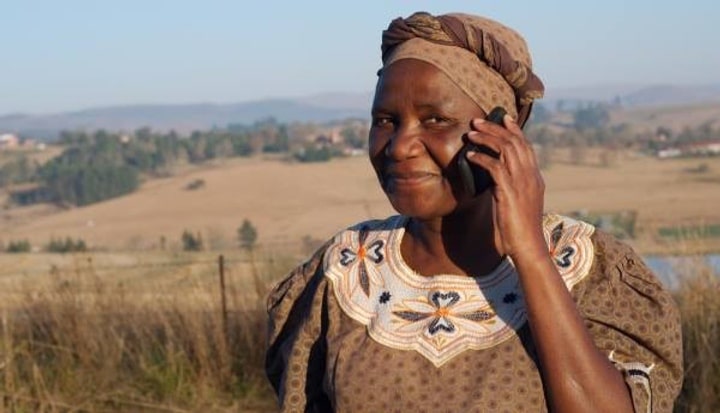
In spite of the fact that around 600 million people in Africa lack power, the mobile phone has revolutionized the continent, and the number of phones have exploded. Why did that happen, and what will be the next revolution?​
icon-content-article-grey
If you are buying a toy for your child, niece, or nephew, it was most likely made by a woman in China or India. Indeed, women make up over 60 percent of the global toy manufacturing workforce and are critical to its success. However, low-income women working at toy factories can face gender discrimination, harassment, and poor health conditions.
icon-content-article-grey
It’s time to re-evaluate how we invest. I have seen funders stringing along companies in emerging markets for years while they jump through the hoops of their longwinded selection processes. To donors and funders I say: If you want to help businesses achieve social impact, maybe it’s your funding system that needs to change. ​
icon-content-article-grey
It was during a Business in the Community event in the summer of 2006 that I first met Carol Monoyios, CARE UK’s Marketing Director, and responsible (in part, at least) for the fact that I spent the next 13 years working for CARE International.
icon-content-article-grey
“If I have seen further, it is by standing on the shoulders of giants,” said Sir Isaac Newton in 1675. Over three centuries later, his recognition that nothing great is achieved in isolation is more relevant than ever. Would Steve Jobs have been able to transform his ideas into reality without a team around him? What relevance would Google have had without those who invented the internet?​
icon-content-article-grey
Be inspired by Business Fights Poverty NYC keynote speaker, Naureen Hyat, as she tells us about Tez Financial Services, a Visa Everywhere Initiative award-winning technological innovation, which is positioned to bridge the gap towards the financial inclusion of women in Pakistan.
icon-content-article-grey
What happens when a bank makes a move towards achieving greater gender parity internally, combined with a razor sharp focus on the ambitions set out in SDG 5? Learn more in a conversation with Laura Hemrika, Global Head, Corporate Citizenship & Foundations and Patsy Doerr, Global Head of Diversity and Inclusion, Credit Suisse.
icon-content-article-grey
Engaging men as allies can be a powerful accelerator to help companies, governments and institutions achieve gender equality. Elizabeth Nyamayaro takes us behind the scenes of how UN Women built a worldwide network of men who are championing SDG 5 – the gender equality goal.​
icon-content-article-grey
On 21 June 2019, the International Labour Conference agreed with a near-unanimous vote to adopt a new ILO Convention to eliminate violence and harassment in the world of work. As the focus now shifts to ratification and implementation of this new international treaty, leading businesses are taking a hard look at their own policies and practices and assessing whether they, too, are meeting the new global benchmark for protection and prevention.
icon-content-article-grey
Impact champions such as India’s Empower Pragati are turning the impact measurement field around. Rather than defining impact based on past activities, they are using ongoing business activities to guide how they chart the course for the future​
icon-content-article-grey
Having access to clean toilets is not just a basic human right – it’s also a health necessity. But in India, nearly 50 million people[1] lack access to adequate sanitation, increasing the risk of water contamination and diseases for these individuals.​
icon-content-article-grey

What do we mean by "Case Studies"?

Sub-topics within this category

There are no sub-topics within this Category.