Micro, Small and Medium Enterprises

SMEs Against Global Poverty

While Inclusive Business literature includes many recommendations on how we can create an enabling environment for Inclusive Business, actual experience or evidence is still relatively limited. This DCED report, summarises more than 100 documents with empirical experiences and emerging evidence from different communities, to explore key lessons learnt.
icon-content-article-grey
HelloScience, a network all about encouraging bright people to connect and collaborate in solving the SDGs, invites creative ideas from start-ups and small companies to help solve global water and sanitation challenges.
icon-content-article-grey
Husnaara ran to her house smiling from ear to ear as if she could not get any happier. At that point nothing seemed impossible; she could become a doctor, an engineer or a lawyer, go to a good university.
icon-content-article-grey
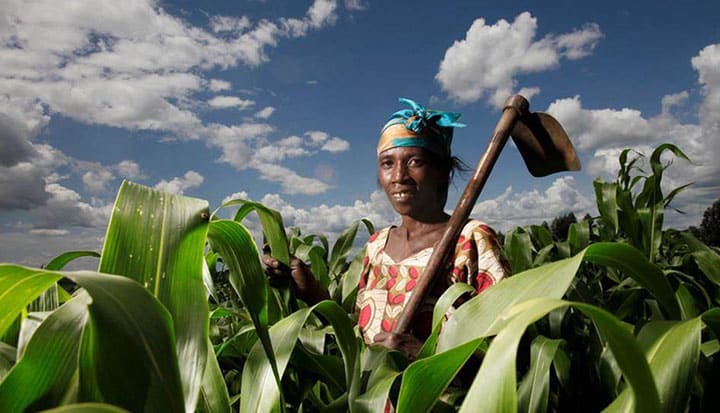
In 1998, Pauline Kamau started her maize-milling business with a few machines in her mother-in-law’s basement in Kenya. Soon, the business grew to fill a small factory. She hoped to supply her community with high-quality maize flour, which is the local staple food, but demand outstripped her production capacity.
icon-content-article-grey
For the past week, the world has watched as heads of state and global business leaders convened in New York City for the 72nd United Nations General Assembly. The agenda was far from light. Topics ranged from food security to climate change to the refugee crisis to healthcare. The task…
icon-content-article-grey
Read enough blogs, and you might think the formula for increasing smallholder farmers’ incomes is well-known: training + access to (inputs x finance x markets). Simple, right?
icon-content-article-grey
Many global companies buy significant amounts of the crops they need from smallholder farmers in Africa, Asia and Latin America. Our new report aims to clarify the roles and levers for companies and other actors, often working together, to help increase smallholder farmers’ incomes.
icon-content-article-grey
How can we collaborate to unlock investment to deliver the SDGs in challenging places? Our new report showcases and draws lessons from a selection of exciting and innovative partnerships and funding models that have led to successful investments.
icon-content-article-grey
Concordia recently participated in the Inaugural International Congress for African Agribusiness and Trade (ICAAT) at Rutgers University, an event that brought together African agricultural and political leaders with bilateral and multilateral institutions, overseas development organizations, U.S. agribusiness, agricultural investors, technical and policy experts, and African civil society representatives. The…
icon-content-article-grey
Empowering Smallholder Farmers to Improve their Incomes
icon-content-article-grey
Skills and Prosperity in the Bangladesh Garment Industry
icon-content-article-grey
Emerging Trends in Digital Delivery of Agri-finance
icon-content-article-grey
Building Efficiency for Farmers in Kenya – Replacing Cash with Digital Repayments
icon-content-article-grey
How Ethiopia’s Nascent Apparel Industry Can Build a Strong, Empowered Workforce
icon-content-article-grey
Impact investing, sitting at the intersection of capitalism and charity, has grown explosively. As the industry surges ahead, complex questions are emerging around innovative
event-grey

What do we mean by "Micro, Small and Medium Enterprises"?

Explore how empowering micro, small, and medium enterprises (SMEs) can drive economic development and reduce poverty by fostering innovation and job creation.

Sub-topics within this category

There are no sub-topics within this Category.