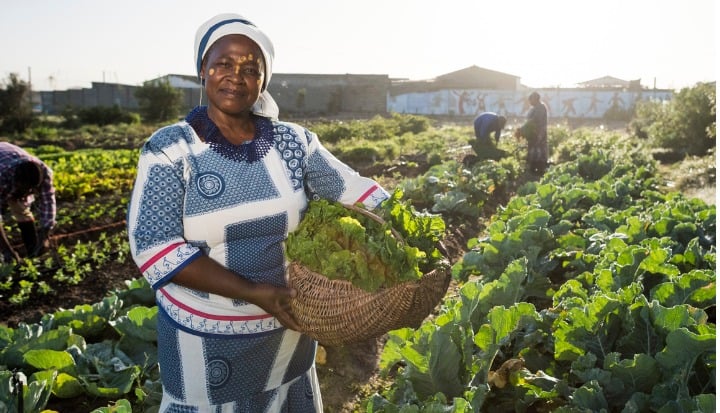
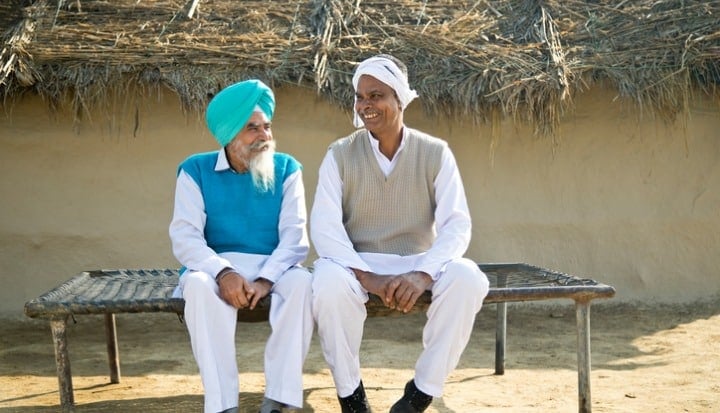
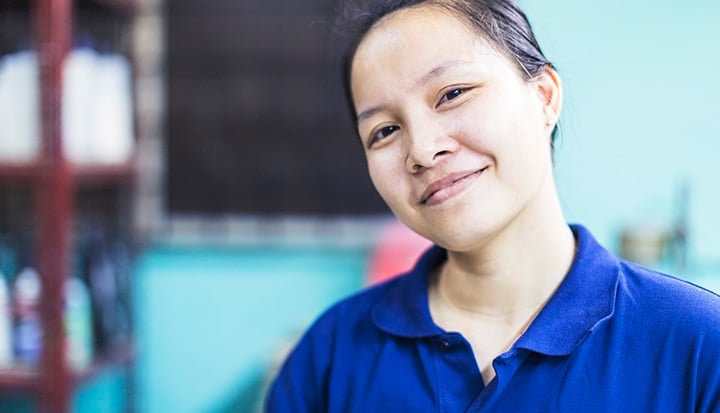
Root Capital and the IKEA Foundation are announcing a €4.8 million partnership to help 260,000 smallholder farmers in Kenya, Rwanda, and Uganda increase their income and adapt to climate change. Together with hundreds of small and growing agricultural businesses, this partnership will build the resilience of rural communities to both market and environmental shocks.
Join us for a live written discussion with a panel of experts to explore how businesses can strengthen SME ecosystems in frontier markets. This discussion will take place on Thursday 16 May 15:00 / 10:00 EST
Food systems fail hundreds of millions of underserved consumers and business entrepreneurs around the world. There is a huge opportunity before us to harness talent, innovation and technology to build inclusive food systems for the future.
We’re back at Saïd Business School on 11th July for our annual flagship event, Business Fights Poverty Oxford 2019, with the theme of embedding purpose authentically into business. Apply for a place, nominate yourself or a colleague to be one of our featured speakers, or become a Business Fights Poverty Ambassador. #BFPOXF19
With the New Year imminent, we thought we’d take a look at the most popular articles of the year. So here, based on the number of unique visits each article received and in reverse order, are the ten most popular stories published in 2018.
We invite you to share your experiences of barriers and drivers of doing business in frontier markets and to help shape how small and medium-sized enterprises are better supported by the UK Government and other organisations in doing their international business.
Maike von Heymann, Anglo American’s Socio-Economic Development and Partnership Manager, shares her insights on the progress of community engagement and the importance of partnerships – as Anglo American increasingly looks to long term economic development for the regions in which they operate.
Our new report,“Resilience through Refugee-Inclusive Business”, aims to help mobilise more business to support this commitment. This includes a taxonomy of 17 practical business models and a series of in-depth briefs on what it will take to mobilise more business and scale solutions that help refugees thrive, not just survive.
Mamadou Beye, Government and Public Affairs General Manager at Chevron discusses Chevron’s Global Memorandum of Understanding (GMoU) partnership approach in the Niger Delta, with insights on how the GMoU community impact model has empowered conflict resolution and encouraged locally-developed economic initiatives
TechnoServe share insights from their Innovation in Outcome Measurement (IOM) project— a two-year program to develop and test cheaper, better, and faster ways of collecting key agricultural data— partnered with the International Livestock Research Institute (ILRI) and the Kenya Markets Trust (KMT) to evaluate creative new ways of providing commercial agro-vet services to pastoralists.
Stanford Social Innovation Review curate eight articles from their archives- specifically for Business Fights Poverty—that offer insight into how companies can successfully orient themselves around purpose, both internally and externally, to reap its many rewards.
The link between Fair trade and climate change is complex but interconnected. By subscribing to the former, you help alleviate the effects of the latter. Pushpanath Krishnamurthy has taken 30 million steps in support of climate justice and the fairtrade movement. Read about his remarkable journey so far.
Technoserve share their case study on innovative models for creating a profitable agribusiness that builds wealth in small farming communities of East Africa. Learn more about Kenyan agribusiness Akili Group, a firm using information and communication technology to improve upon the traditional out-grower models.
This week Katie Hyson, Director of Thought Leadership at Business Fights Poverty interviews Sizakele Marutlulle, Founder and CEO of communications strategy company: Marutlulle +CO. Sizakele talks to us in anticipation of her keynote speaker role during the Business Fights Poverty flagship 2018 Oxford conference.
An Interview with Henriette Kolb, Head of the Gender Secretariat at the International Finance Corporation. Henriette takes listeners on a journey through the challenges of addressing gender inequality, before explaining why the IFC is focusing on balancing the roles of carers, creating access to finance for female entrepreneurs and understanding how women can get ahead in the sharing economy.
Business Fights Poverty’s flagship Oxford conference takes place on 18th July, with just two weeks to go we are pleased to introduce Acumen as our partners leading the Impact Investing zone.
Gender equality is high on the corporate agenda, but behind the hashtags, the empowering t-shirts and glossy photographs, are we really creating change and tackling the barriers to gender equity and inclusive business? CARE, who will host the Women’s Equity and Inclusivity Zone at Business Fights Poverty Oxford, examine the importance of gender equity in business.
Rwanda-based motorcycle taxi company SafeMotos is taking the app-based transport service idea, made famous by Uber, a step further by ensuring its product is based on the local needs of both passengers and drivers. SafeMotos joined Business Call to Action with a pledge to ensure more female drivers; to reduce road accidents and to increase incomes.
The Private Financing Advisory Network (PFAN) bridges the gap between investors and entrepreneurs. It identifies promising clean energy projects at an early stage and provides no-cost coaching and investment facilitation. When in place, these measures make it easier for investors to understand a project’s potential, increasing the odds that they will make an investment.
Biomass Supplies, a Sri Lankan subsidiary of Biomass Group – the visionary renewable energy company – is developing Sri Lanka’s abundant sustainable energy resources through innovative partnerships with the country’s smallholder farmers.
What do we mean by "Micro, Small and Medium Enterprises"?
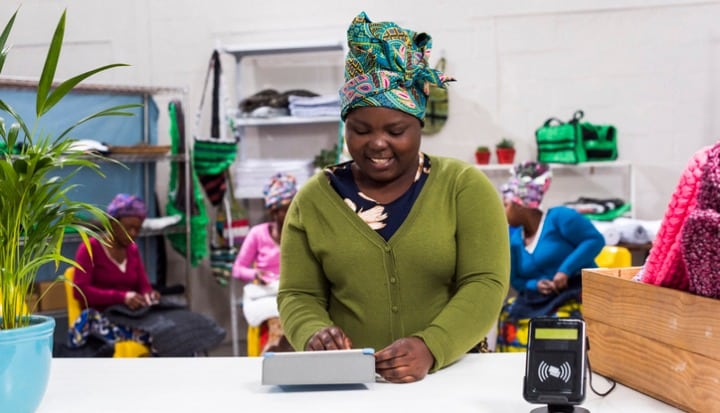
Explore how empowering micro, small, and medium enterprises (SMEs) can drive economic development and reduce poverty by fostering innovation and job creation.