Sustainable Development

Advancing the Sustainable Development Goals

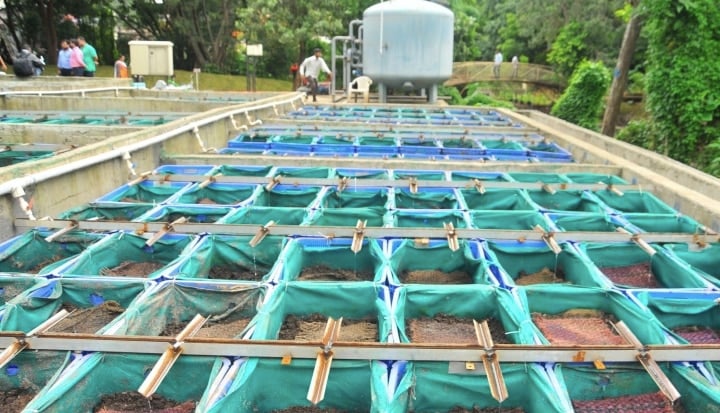
Tokyo based LIXIL, maker of pioneering water and housing products, believes that creating solutions for the 2.3 billion people that still don’t have access to basic sanitation is an opportunity to solve one of the world’s greatest social challenges, and to do so sustainably by helping to develop a future market.
icon-content-article-grey
Market-based solutions to sanitation can make a huge difference to the lives of the poorest urban citizens. Creating financially viable businesses is challenging, but the sector has taken real steps forward. This blog presents examples of how we can unlock the potential of the private sector to help drive progress.
icon-content-article-grey
Who will step up to address the very real liquidity gap that stands between poor households and their first toilet in Cambodia? iDE believes that local, friendly latrine businesses are best placed to provide non-interest bearing payment facilitation to households in their community. Read how iDE is seeking to unlock this sanitation supply-led financing at a larger scale.
icon-content-article-grey
Eleanor Radford of ISEAL, reflects on the women’s equity and inclusive business session at the recent Business Fights Poverty Oxford Conference. How do we can create change throughout the value chain? From getting a better representation of women on executive boards, to empowering women in the workplace.
icon-content-article-grey
Jon Shepard shares why he see grounds for optimism in reaching the UN Sustainable Development Goal of equitable access to safe, affordable drinking water for all by 2030. In particular the growing number of impact entrepreneurs who are innovating new models for the scalable and sustainable provision of safe water in underserved communities.
icon-content-article-grey
At the recent World Water Week 2018, the Toilet Board Coalition explored the commercial and social impact opportunities for businesses willing to engage in the sanitation crisis. What exactly is the sanitation economy? And what role can business and government play?
icon-content-article-grey
TechnoServe share insights from their Innovation in Outcome Measurement (IOM) project— a two-year program to develop and test cheaper, better, and faster ways of collecting key agricultural data— partnered with the International Livestock Research Institute (ILRI) and the Kenya Markets Trust (KMT) to evaluate creative new ways of providing commercial agro-vet services to pastoralists.
icon-content-article-grey
As one of the most cited reasons for variations in yields, soil fertility and the ability to improve and manage it is key to the success of a smallholder. Tecnhoserve share their experience of boosting Maize yields in Kenya and how soil-testing can help predict return-on-investment for African farmers
icon-content-article-grey
This year, ISEAL headed into the field to talk to certified small producers about the issues they face, their expectations of certification and their experiences with sustainability standards. In a new report, we outline the key challenges facing producers and suggest opportunities for standards to innovate to meet these needs.
icon-content-article-grey
The link between Fair trade and climate change is complex but interconnected. By subscribing to the former, you help alleviate the effects of the latter. Pushpanath Krishnamurthy has taken 30 million steps in support of climate justice and the fairtrade movement. Read about his remarkable journey so far.
icon-content-article-grey
Technoserve share their case study on innovative models for creating a profitable agribusiness that builds wealth in small farming communities of East Africa. Learn more about Kenyan agribusiness Akili Group, a firm using information and communication technology to improve upon the traditional out-grower models.
icon-content-article-grey
The tourism industry already accounts for 10.4% GDP and employs 313 million people; find out why Hilton is on a social and environmental mission to ensure its future. Katie Hyson, Director of Thought Leadership at Business Fights Poverty interviews Daniella Foster, Senior Director of Global Corporate Responsibility at Hilton Hotels and Resorts
icon-content-podcast-grey
Marking the launch of Measuring Up, the UK Stakeholders for Sustainable Development’s (UKSSD) first stock take of progress across the UK against all the 169 targets identified in the SDGs, Business Fights Poverty’s Katie Hyson caught up with Dominic White, co-founder and co-chair of UK-SSD, as well as Head of International Development Policy at WWF-UK.
icon-content-podcast-grey
A briefing paper on lessons for building effective business-NGO partnerships, based on the experience of the Cargill-CARE partnership. With Cargill and CARE USA.
icon-content-report-grey
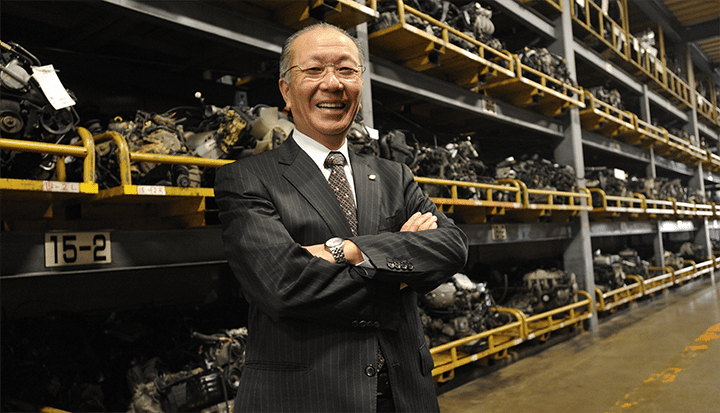
Kaiho Sangyo, a Japanese automobile recycling company, joined Business Call to Action in December 2017 with a pledge to establish an eco-friendly auto recycling value chain in Brazil. As part of this commitment, it will develop the skills of 15,000 recycling engineers and expand 20 existing recycling businesses, including local garages and repair shops.
icon-content-article-grey
What if every farmer knew exactly what each of her plants needed—the amount of water, the quantity and formula of fertilizer, the type of pesticide—at any given moment? This is the promise of precision agriculture, in which micro-level data is gathered by drones or satellites and used to enhance decision-making on the farm.
icon-content-article-grey
Today, on the UN’s World Day Against Child Labour, Olam take the opportunity to share some of the challenges faced in combating child labour in cocoa and where they, as the world’s leading exporter of cocoa from Africa, are focusing their efforts to eradicate child labour in their supply chain.
icon-content-article-grey
To be able to adequately meet the challenge of sanitation, it is critical for the design and implementation of on-site sanitation systems to understand and account for consumer preferences. Dalberg’s research within poor urban communities points to four lived realities that on-site sanitation providers need to consider before design and rolling out their products globally
icon-content-article-grey
The Private Financing Advisory Network (PFAN) bridges the gap between investors and entrepreneurs. It identifies promising clean energy projects at an early stage and provides no-cost coaching and investment facilitation. When in place, these measures make it easier for investors to understand a project’s potential, increasing the odds that they will make an investment.
icon-content-article-grey
Biomass Supplies, a Sri Lankan subsidiary of Biomass Group – the visionary renewable energy company – is developing Sri Lanka’s abundant sustainable energy resources through innovative partnerships with the country’s smallholder farmers.
icon-content-article-grey

What do we mean by "Sustainable Development"?

Join us in advancing the Sustainable Development Goals to combat poverty through innovative and scalable solutions that drive global progress.

Sub-topics within this category