Agriculture

Sustainable Agriculture to Reduce Poverty

Everyone has the right to a living income. Yet, as we move into a new decade, there are still around 500 million smallholder farming households globally, comprising a large proportion of the world’s poor living on less than $2 a day. Something needs to change. ​People have been trying to measure and tackle poverty for decades, so why reframe the issue now by measuring living income?
icon-content-article-grey
I have vivid memories, from the years I spent working on social impact in-house for big business, of scrambling for Board or Exec report around this time. ‘Please summarise the key social impact trends and the effects on business’, was the exam question. This year, I thought I would do the same for you. Feel free to borrow, comment and add your own.

icon-content-article-grey
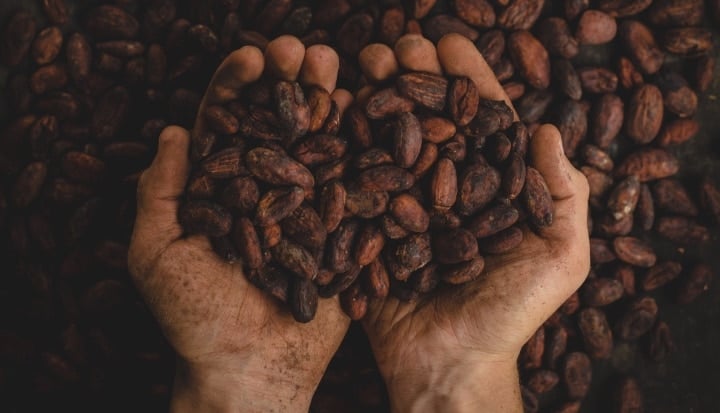
I’ve headed up the Nestlé Cocoa Plan for almost 12 years, so I’ve seen at firsthand how our Child Labor Monitoring and Remediation System, (CLMRS), works and how it has benefitted kids and families in Côte d’Ivoire and Ghana. As demonstrated in our 2019 report ‘Tackling Child Labor’, it is making a real difference to the lives of thousands of kids and families.
icon-content-article-grey
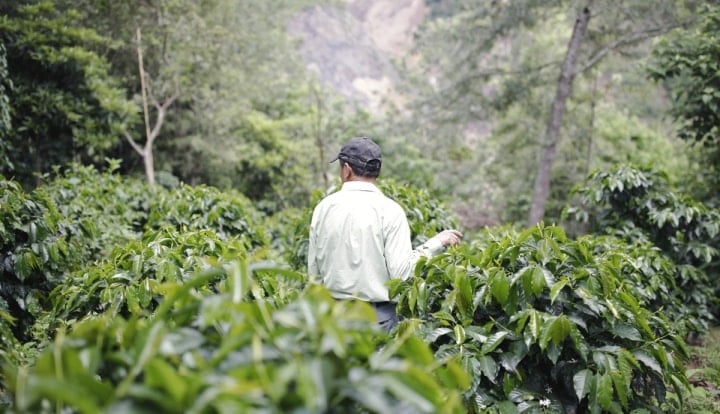
​What does the taste of your morning coffee have to do with the livelihoods of millions of farmers? In this article, TechnoServe’s Paul Stewart explains how boosting coffee quality is one of the keys to ensuring that smallholder farmers earn higher incomes and shows how this change can transform entire communities. ​
icon-content-article-grey
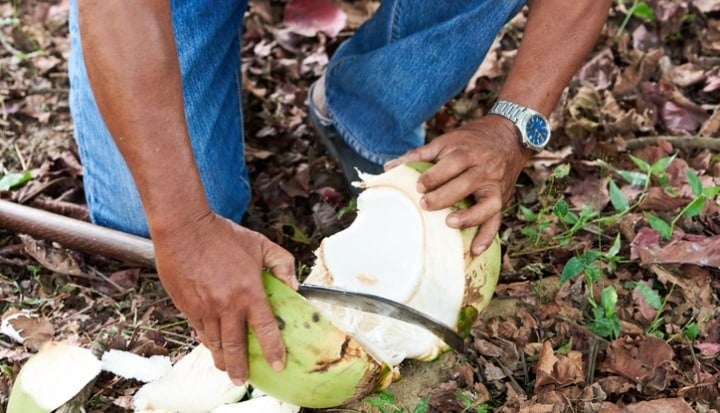
The global demand for coconut-based products is growing. Coconut oil, for instance, is used for cooking and in products like chocolate or cakes, as well as cosmetics. However, the coconut supply is not growing as fast as the demand.
icon-content-article-grey
icon-content-podcast-grey
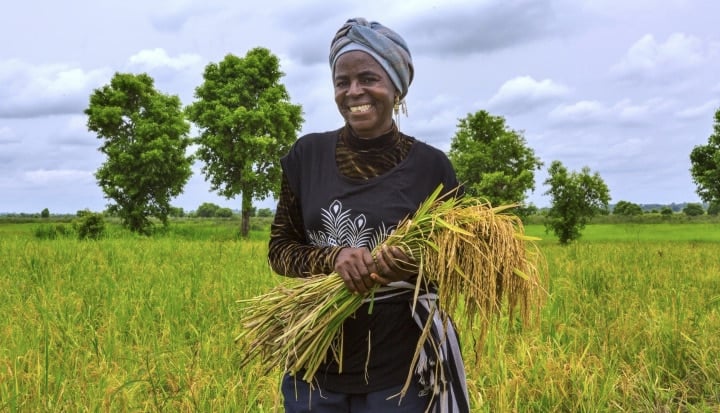
In conversation with Reji George, VP Rice Nigeria, Olam International and Dr Ben Odoemena, Country Programme Officer, UN International Fund for Agricultural Development (IFAD)  –finalists of the 2019 P3 Impact Award in recognition of one of the first public-private partnerships to have transformative impact in Nigeria’s agricultural sector. 
icon-content-article-grey
Inequality in income and availability of work between rural and urban areas are large contributors to a country’s overall economic inequality. In India, agriculture still employs more than half of the workforce, but wages are low and with rising education levels many young people no longer aspire to take over the family smallholder farm
icon-content-article-grey
Financial access and inclusion continue to be sold to farming communities in the world’s leading supply chains at the very price of poverty. How do we reduce this toxic trade-off, why is it taking so long and how does it impact the planet’s future? Tasneem Mayet, BFP Ambassador, shares insights from conversations had at #BFPOXFORD, closing with some examples of what has worked well in the industry and yet why it is not enough.​
icon-content-article-grey
The global coffee price crisis has drawn headlines around the world. But rather than view it as an isolated phenomenon, we must view at as part of a larger set of challenges affecting coffee farmers. To truly change the outlook for the world’s 12 million coffee-farming families, we must address these longstanding issues.
icon-content-article-grey
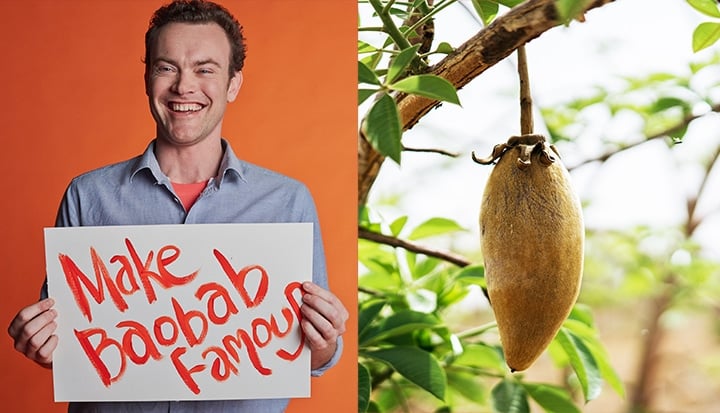
15 years ago I was working in the London advertising industry, promoting products I didn’t believe in for clients who didn’t appreciate it. I ended up asking myself ‘What am I doing with my life?’
icon-content-article-grey
Working out whether or not your sustainability program is having the impact you intend is more complex than you might think. There’s heated debate among academics and practitioners around how to do it best, much of it pointing out that designing a perfect measurement methodology in theory is a lot more straightforward than applying it in practice. That said, most can agree that it’s a necessary exercise. With this blog, we add the Cocoa Life perspective to the debate.
icon-content-article-grey
Understanding the impact of development interventions is a complex process. From picking the most suitable measurement and evaluation (M&E) methodology, to designing a suitable plan for implementing it in the field, there might appear to be endless hurdles to the uninitiated.​
icon-content-article-grey
Impact is a word we hear all the time in sustainability circles. Often when we talk about impacts, we’re talking about reducing the negative ones. Causing less damage. But that’s not nearly enough, says Arjen Boekhold of Game Changer Unltd. and known from Tony’s Chocolonely.
icon-content-article-grey
In Uganda, TechnoServe is partnering with Nile Breweries Limited and the Sustainable Food Lab to identify climate risks in sorghum and barley supply chains.
icon-content-article-grey
Stories about terrible working conditions along supply chains keep emerging. From sweat shops to modern slavery – we reply on journalists to uncover horrible truths to spark change. But social enterprise organisations with traceable supply chains eliminate ambiguity and promote social change. I want to share why I think we should all become a little more social.
icon-content-article-grey
Smallholders produce around 80% of the world’s coffee and brands rely on them for a steady supply. Yet, smallholder producer organisations (SPOs) have been tarnished with the image of being disorganised and slow. At Twin, we know that SPOs can thrive as international businesses that create sustainable supply chains. In our latest report, we demonstrate how.
icon-content-article-grey
Katharine Teague, Head of Advocacy at AB Sugar, explains why one of the world’s leading sugar businesses has created The Innovate Irrigation Challenge  in partnership with WaterAid and the Centre for Industrial Sustainability at the University of Cambridge.
icon-content-article-grey
Practical Action and the IKEA Foundation have launched a new partnership worth €6.4million. The partnership will work with 6,000 young smallholder farmers in rural Kenya. Currently, half of the world’s small holder farmers go hungry. The partnership aims to develop the learning and evidence to demonstrate that sustainable farming can provide decent livelihoods whilst protecting the environment.
icon-content-article-grey
As greater traceability and ever-growing consumer interest in coffee origins increase the incentives for sustainable production, more opportunities to align profits and sustainability will emerge. If we are innovative and approach problems from a business perspective, we can help the supply chain grow even greener.​
icon-content-article-grey

What do we mean by "Agriculture"?

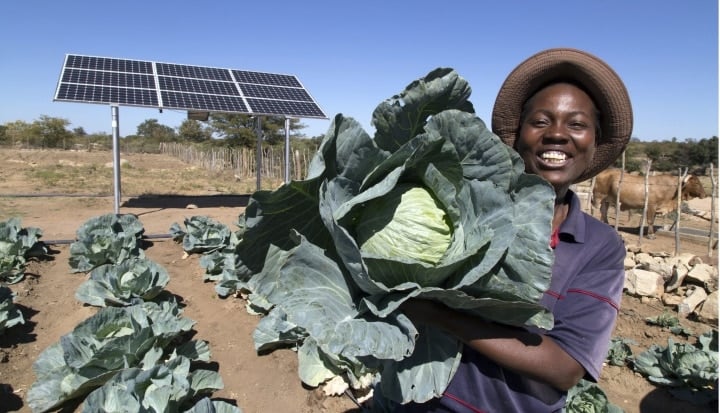
Discover how sustainable agriculture techniques can reduce poverty by promoting environmental health and increasing food security.

Sub-topics within this category

There are no sub-topics within this Category.