Insights

In my current role at FSG, I provide thought partnership to business leaders on the most effective ways to create social impact. I rely on our two decades of experience in this space as well as best practices I see in the field.
icon-content-article-grey
The impact of the COVID-19 pandemic is not gender neutral, as it affects men and women differently. Therefore, we must not be gender blind in our responses to the pandemic, or else women will carry a disproportionately higher economic cost than men. Globally, women are more vulnerable to economic shocks wrought by crises such as the coronavirus pandemic.
icon-content-article-grey
How business responds to the Corona virus crisis matters hugely. It affects what happens to millions of lives and livelihoods now. And it affects the prospect for building back better. What we do now, will shape the pathway out of this mess. In years to come, suppliers and stakeholders will remember which businesses and brands acted responsibly during the crisis, working through problems together.
icon-content-article-grey
With the pandemic potentially triggering a global economic slowdown, leaders are already looking for ways to shore up their countries’ economies. The approaches they take to stimulate economic growth will have long-lasting effects, so they need to be chosen carefully.​
icon-content-article-grey
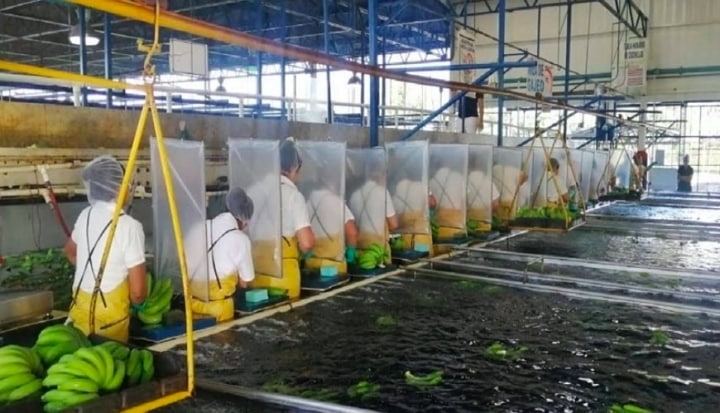
Fairtrade is gathering updates from around the world about how COVID-19 is affecting producer organizations, family farmers, and workers.​
icon-content-article-grey
Facing unprecedented times globally, this COVID-19 challenge calls for focus, creative thinking, cooperation and collaborative action. COVID-19 is impacting us all, in all walks of life, to the core and dramatically demonstrates our inter-connectivity and interdependence. It is profoundly challenging human health and the human spirit. From a business point of view, this is a defining moment for leadership and action.
icon-content-article-grey
The COVID-19 virus will soon make waves in low-income contexts in South Asia, Africa and Latin America. While these regions have a much younger population than the EU or China, both the disease itself and any measures to keep it from spreading will have a severe impact. The most vulnerable will be hit hardest.
icon-content-article-grey
The current pandemic crisis offers a chance to reimagine our approaches to managing natural resources, argues Martin Noponen of the Rainforest Alliance.
icon-content-article-grey
During a global health crisis such as the current COVID-19 pandemic the capabilities of health systems are pushed to the extreme. This pressure to respond quickly to urgent demand creates opportunities for corruption in health research, development, procurement and delivery. Transparency in research and development of COVID-19 health care technology and procurement are key to ensure public health interests are prioritised above corporate interests.
icon-content-article-grey
These are profoundly uncertain times. Covid-19 is spreading with frightening speed and all of us – governments, businesses, and individuals – are attempting to understand how best to respond.​
icon-content-article-grey
In the UK there are nearly 7 million unpaid carers supporting family members or friends with disabilities or chronic illnesses, around 1 in 10 of the population. In Australia, an estimated 2.6 million carers provide unpaid care, again around 1 in 10 of the population. In the USA, there are over 43million current carers. Similar trends in unpaid care are being observed globally and the numbers are vast – an estimated 700 million across the world.
icon-content-article-grey
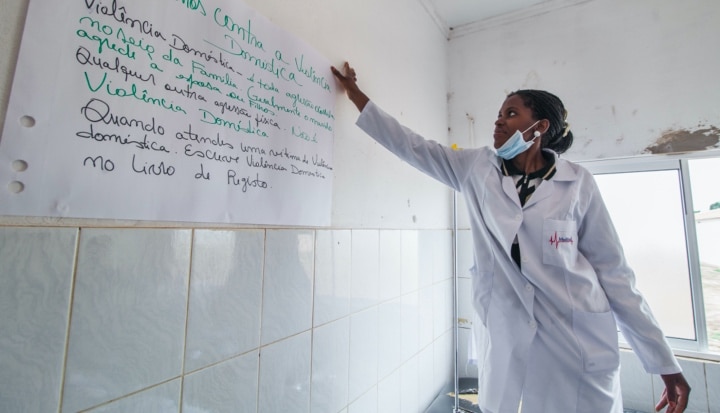
Join us for an online written discussion with a panel of experts to explore how business can respond to an increase in gender based violence during the COVID-19 outbreak. Taking place on Monday 6 April, 10am-11am EDT (3pm-4pm BST/ 5pm-6pm EAT)
forum_grey
Resilience is the key word, and it starts now – with each one of us as individuals. There was a before. We are now living the “during”, and it is likely to last. The question is: how to deal with where we are now so that we can be in the best possible place when we reach the “after”?
icon-content-article-grey
So the day of reckoning has arrived. Having staggered on zombie like since the financial crisis of 2008, adding environmental (climate, pollution and biodiversity), social (inequality) and political (Trump, BREXIT et al) crises to its charge sheet, Globalisation circa 1980-2020 has finally fallen flat on its face. It’s greatest strength (the fluid movement of capital, jobs, people and manufacturing) ultimately it’s Achilles Heel as the virus spread rapidly across a hyper-connected world.
icon-content-article-grey
Ahead of the G20 leaders summit, the world’s business and workers’ organisations have joined forces to issue an open letter calling on political leaders to commit to bold coordinated action that leaves no one behind in response to the COVID-19 pandemic. *Note I’ve adjusted to keep the piece timely
icon-content-article-grey
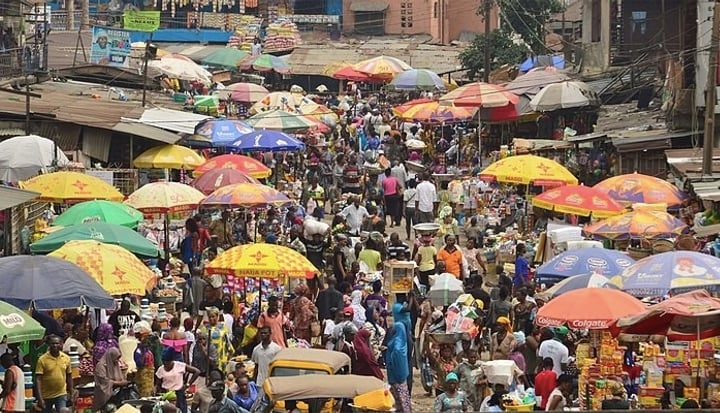
COVID-19 is having huge economic impacts, which are felt across all segments of society and all sectors of the economy in countries across the world. But hardest hit will be those working in the gig economy and informal sectors.
icon-content-article-grey
This is the “new normal:” Business should expect diseases to disrupt their operations and supply chains with regularity. It doesn’t take much to connect the dots – from SARS to MERS to Swine Flu to Ebola to Chikungunya to Zika to today’s Covid-19.  Each have disrupted business, travel, trade, and tourism.
icon-content-article-grey
The many layers to the COVID-19 crisis are unfolding in front of our eyes. Our political leaders, financial institutions and global governance structures are being severely tested. Their job is made all the harder by low levels of public trust and broken social contracts in many parts of the world. Many countries are bracing, should their health services buckle as they have in countries already badly affected. Despite the many wonderful acts of charity being witnessed in communities in lockdown, we know imminent hardship will take a toll on social cohesion.
icon-content-article-grey
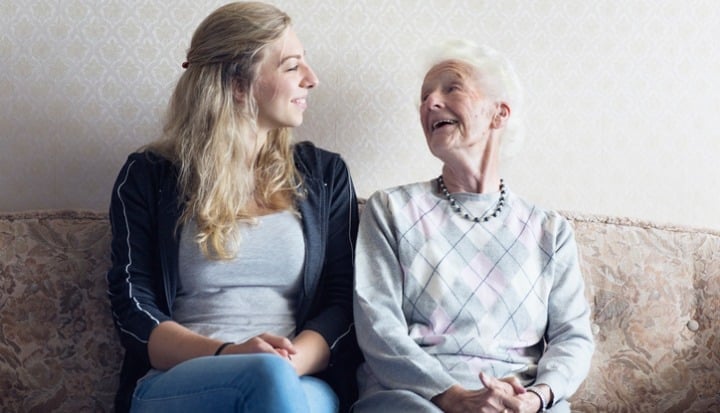
As we start a new work week, many of us are still wrapping our heads around the reality that we’ve awakened to a much different world than the one we knew just a few days ago. Many of our colleagues are working remotely while their children stay home with them as schools shutter worldwide. All of us are concerned about our older family and friends, to whom COVID-19 poses the greatest risk.
icon-content-article-grey

What do we mean by "Insights"?

Sub-topics within this category

There are no sub-topics within this Category.