Sustainable Development

Advancing the Sustainable Development Goals

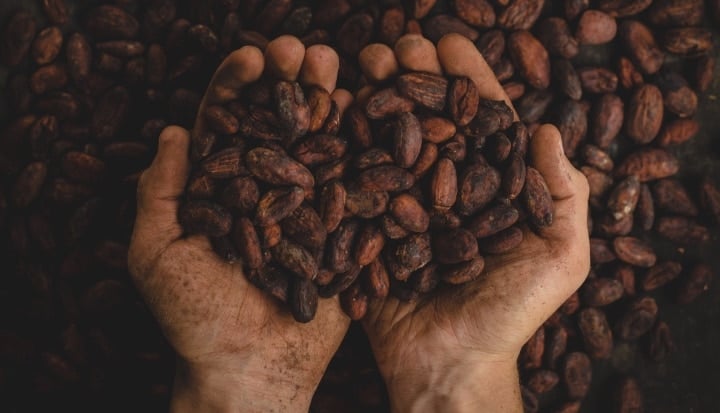
Working out whether or not your sustainability program is having the impact you intend is more complex than you might think. There’s heated debate among academics and practitioners around how to do it best, much of it pointing out that designing a perfect measurement methodology in theory is a lot more straightforward than applying it in practice. That said, most can agree that it’s a necessary exercise. With this blog, we add the Cocoa Life perspective to the debate.
icon-content-article-grey
The health sector is on the frontline when it comes to dealing with the ever-increasing effects of climate change; and yet the sector with a unique healing mission is also contributing to the problem through greenhouse gas (GHG) emissions from its activities, undermining the health of the very populations it seeks to heal.
icon-content-article-grey
Understanding the impact of development interventions is a complex process. From picking the most suitable measurement and evaluation (M&E) methodology, to designing a suitable plan for implementing it in the field, there might appear to be endless hurdles to the uninitiated.​
icon-content-article-grey
From climate change to climate crisis and now a climate emergency, the growing debate around the language used for some of our biggest global challenges is missing the most important word for addressing them: resilience.​
icon-content-article-grey
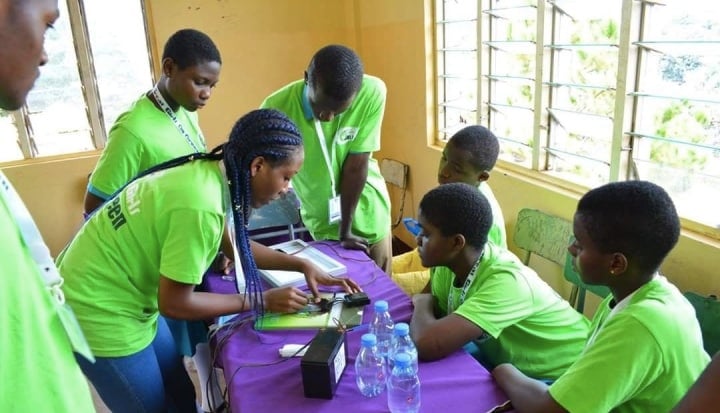
Be inspired by #BFPOxford Keynote speaker Monique Ntumngia, as she tells us more about the Green Girls Organisation, an award-winning clean energy technological innovation, which is creating a route towards economic independence for women and girls in Africa.
icon-content-article-grey
Over the last decade, many multinational corporations (MNCs) have attempted to set up inclusive businesses of one kind or another, with varying success. Despite good intentions and the investment of significant resources, few of these pilots have been successful and an even smaller proportion has reached significant scale.​
icon-content-article-grey
Impact is a word we hear all the time in sustainability circles. Often when we talk about impacts, we’re talking about reducing the negative ones. Causing less damage. But that’s not nearly enough, says Arjen Boekhold of Game Changer Unltd. and known from Tony’s Chocolonely.
icon-content-article-grey
In Uganda, TechnoServe is partnering with Nile Breweries Limited and the Sustainable Food Lab to identify climate risks in sorghum and barley supply chains.
icon-content-article-grey
IDS Research Fellow Patrick Schröder explores how a moving from a ‘throwaway economy’ to a ‘circular economy’ could help tackle the environmental issues that are riding high on current media and political debates
icon-content-article-grey
Stories about terrible working conditions along supply chains keep emerging. From sweat shops to modern slavery – we reply on journalists to uncover horrible truths to spark change. But social enterprise organisations with traceable supply chains eliminate ambiguity and promote social change. I want to share why I think we should all become a little more social.
icon-content-article-grey
Through TechnoServe’s BeniBiz program, young entrepreneurs like Babatundé Oguidi are getting the training and technical advice they need to run successful micro-enterprises.
icon-content-article-grey
Smallholders produce around 80% of the world’s coffee and brands rely on them for a steady supply. Yet, smallholder producer organisations (SPOs) have been tarnished with the image of being disorganised and slow. At Twin, we know that SPOs can thrive as international businesses that create sustainable supply chains. In our latest report, we demonstrate how.
icon-content-article-grey
Star Trek’s Chief of Logic (COL), Spock nailed it when he said that “The needs of the many outweigh the needs of the few.” If we are bold and if we act now to change our organisations and our systems we will help ensure that future generations do that other thing the pointy-eared one said and “Live long and prosper.” ​
icon-content-article-grey
As we launch our new strategy, Laura Kelly, Director of IIED’s Shaping Sustainable Markets research group, considers how the private sector can respond to development and environmental challenges – and how IIED can support business to deliver positive change.
icon-content-article-grey
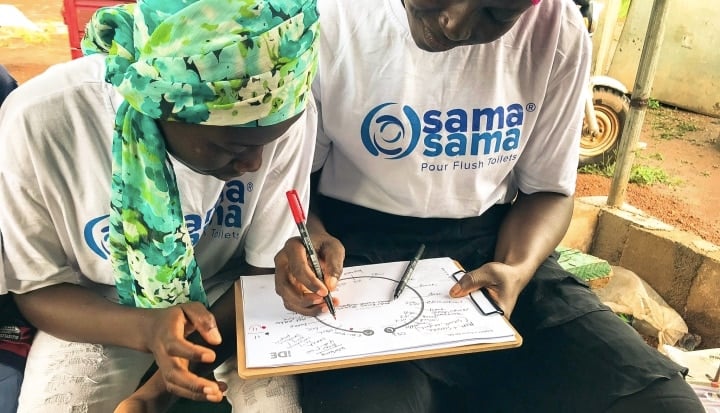
By May 2018, we knew something was missing in the business model for Sama Sama, a toilet business iDE had started in rural Ghana in 2016.1 After two years of knocking on doors, sales were lower than expected or desired. This is a sure sign that another round of design is needed.
icon-content-article-grey
Katharine Teague, Head of Advocacy at AB Sugar, explains why one of the world’s leading sugar businesses has created The Innovate Irrigation Challenge  in partnership with WaterAid and the Centre for Industrial Sustainability at the University of Cambridge.
icon-content-article-grey
Practical Action and the IKEA Foundation have launched a new partnership worth €6.4million. The partnership will work with 6,000 young smallholder farmers in rural Kenya. Currently, half of the world’s small holder farmers go hungry. The partnership aims to develop the learning and evidence to demonstrate that sustainable farming can provide decent livelihoods whilst protecting the environment.
icon-content-article-grey
As greater traceability and ever-growing consumer interest in coffee origins increase the incentives for sustainable production, more opportunities to align profits and sustainability will emerge. If we are innovative and approach problems from a business perspective, we can help the supply chain grow even greener.​
icon-content-article-grey
The biggest trends in fashion today are ones no one wants to be seen in. They include vastly increased clothing production and declining use, massive levels of waste and more greenhouse gas emissions than international shipping and flights combined.​
icon-content-article-grey
The Arusha region is home to Tanzania’s nomadic Maasai and other communities who farm and herd in the plains around Mount Meru. Communities here face life without light as soon as the sun sets, meaning that kids can’t play in the streets or study and families are often dependent on expensive and toxic fuel-powered resources to do their daily chores. It is also here that women are seeking a livelihood so they can take care of their families.
icon-content-article-grey

What do we mean by "Sustainable Development"?

Join us in advancing the Sustainable Development Goals to combat poverty through innovative and scalable solutions that drive global progress.

Sub-topics within this category