Sustainable Development

Advancing the Sustainable Development Goals

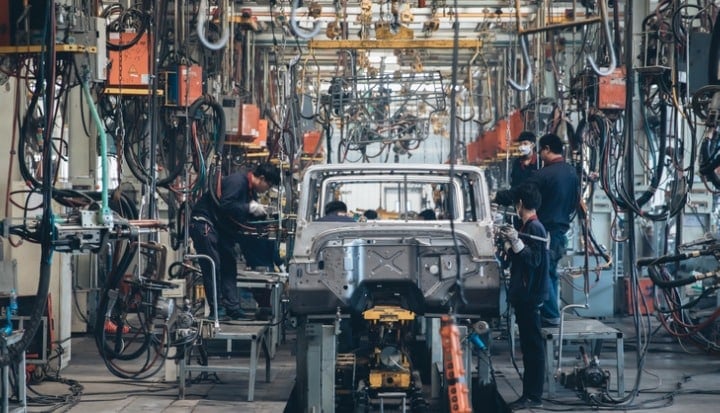
In this crossover between WBA’s Corporate Human Rights Benchmark (CHRB) and the Automotive Benchmark’s Performance Update for 2020, the research raised a startling outcome: almost no correlation could be found between a company’s relative performance on either benchmark, suggesting an alarming disconnect between actions on climate and human rights issues.
icon-content-article-grey
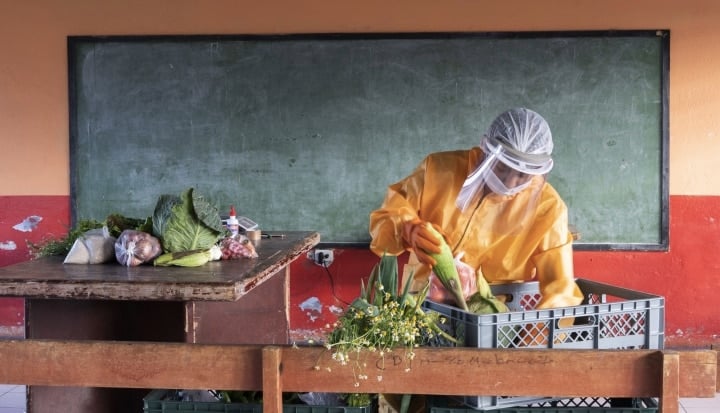
There was no way for small-scale farmers in Ecuador to anticipate the COVID-19 pandemic more than a year ago when they started diversifying the products they grew and mapping efficient paths to get them to hungry urban markets. But when the coronavirus hit the South American nation hard, these farmers found themselves well-prepared to keep homebound customers fed.
icon-content-article-grey
How to develop a social impact strategy for business? Lisa Manley, Global Vice President of Sustainability from Mars shares all.
icon-content-podcast-grey
Simply put, green skills are the knowledge, abilities, values and attitudes needed to live in, develop and support a sustainable and resource-efficient society.
icon-content-article-grey
With data being described as ‘the currency of the future’, it’s vital that sustainability systems make the most of their data assets to support the environmental and social transformations our world needs. Read more on unlocking the power of data for sustainability systems from ISEAL’s Robert Lefebure.
icon-content-article-grey
Does the disruption created by Covid-19 create opportunities to reset capitalism in the long term, or will inertia prevail? That is the key New Year question as we look beyond the Covid crisis to possible future pathways. Sally Uren and Caroline Ashley of Forum for the Future, argue that what happens next in capitalism could be down to hearts and minds, not the market
icon-content-article-grey
Inspiring inclusive businesses have invested in their relationships with stakeholders, shared experiences and strengthened public-private partnerships to stay resilient during the Covid-19 pandemic and tackle the needs of low-income communities around the globe in times of crisis.
icon-content-article-grey
Small-scale enterprises are key in helping Maasai communities rise out of poverty. One example of these is beekeeping which brings not only financial benefits but also greater independence and influence for women in a traditionally patriarchal society. With Covid-19 having decimated tourism incomes in southern Kenya and northern Tanzania, diversified livelihoods have never been more important.
icon-content-article-grey
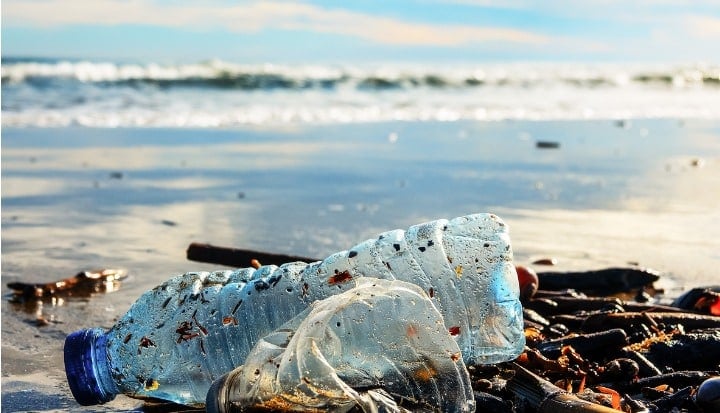
The pandemic has seen plastic waste skyrocket, while corporates continue to pump out single-use plastic packaging that’s found dumped all around the world. But a new inter-disciplinary research network at the University of Birmingham is looking to tackle the problem with infinitely recyclable polymers and collaborative projects with business.
icon-content-article-grey
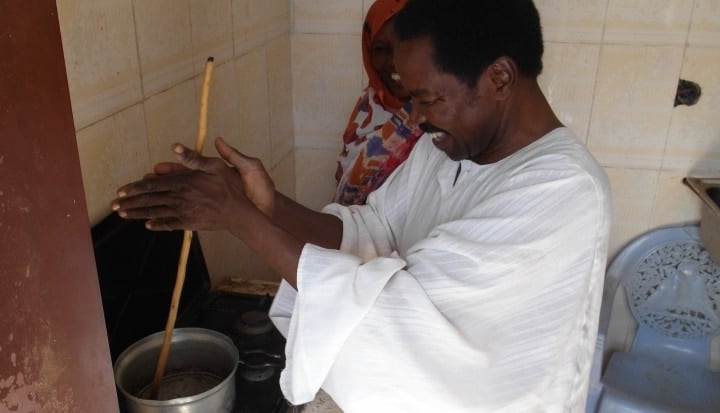
In Darfur, shared knowledge and improved technology is making cooking at home safer and cheaper. Practical Action teamed up with the Women’s Development Association to educate communities and introduce new Liquid Petroleum Gas (LPG) stoves in El Fasher. Reducing carbon emissions and giving thousands of families clean homes, clean lungs and more money to spend on essentials.
icon-content-article-grey
Solutions to the global sanitation crisis can be generated by a multilateral approach, blending the expertise, research and support of the private sector with the focus and structure of the public sector to enable innovative local enterprises to deliver long-term, desirable solutions. This approach is increasingly being implemented, with a number of examples of businesses, enterprises and public sector stakeholders working together to deliver lasting responses to the sanitation crisis.
icon-content-article-grey
Our webinar explored “Understanding the critical role of mindsets in driving a just and regenerative future” and examined how mindsets shape changes and support
insights-icon
Meet Hanneke Faber. In this interview, Hanneke, who is the President of Foods & Refreshment at Unilever, reveals how they stay global sustainability leaders and why food is broken.
icon-content-podcast-grey
Meet Rudrani Oza. She is senior manager of farm innovations for CottonConnect. Based in India, Rudrani is a gender expert, with over 16 years of experience in the areas of gender, HIV/AIDS, reproductive health, water & sanitation, and children’s rights.
icon-content-podcast-grey
COVID-19 has exposed many of the vulnerabilities in our food system, one of which is just how reliant global supply chains are on people’s well-being at every step of the journey. The small-scale farmers in emerging markets who produce much of the world’s food ingredients, live in countries that face high rates of malnutrition, with many farming households unable to eat healthily themselves.
icon-content-article-grey
Because of pervasive inequalities, women are vulnerable to the lasting economic impacts of the COVID-19 pandemic. This article highlights some of the ways we can strengthen the resilience of women farmers and entrepreneurs during the crisis and aid their post-pandemic recovery.
icon-content-article-grey
The effects of climate change are seriously impacting the lives of cotton farmers, especially women. CottonConnect’s discussions with women cotton farmers in India and Pakistan identified how climate change affects all areas of women’s lives – on the farm, caring for livestock, and in the home – and results in reduced income, time and health.
icon-content-article-grey
As we mark this year’s 16 Days of Activism Against Gender-Based Violence, measures to tackle COVID-19 continue to exacerbate gender inequality worldwide. If we truly want to build back fairer, then businesses, civil society and governments must put women’s rights squarely at the centre of post-pandemic recovery plans, says the Fairtrade Foundation’s Alice Lucas.
icon-content-article-grey
The COVID-19 pandemic is affecting farmers, entrepreneurs, and workers across the globe, but its economic impact on women is particularly severe. How can the private sector, governments, and civil society ensure that women can continue to do business amid the pandemic?
icon-content-article-grey
In October, THIRST organised a discussion to learn from Oxfam’s Juliet Suliwa and COLSIBA’s Adela Torres and Iris Munguia how unions in the Latin American banana sector have been successfully opened up to women, and how Malawian tea unions are starting to do the same. Read more in this article from Sabita Banerji CEO of The International Roundtable for Sustainable Tea
icon-content-article-grey

What do we mean by "Sustainable Development"?

Join us in advancing the Sustainable Development Goals to combat poverty through innovative and scalable solutions that drive global progress.

Sub-topics within this category