Agriculture

Sustainable Agriculture to Reduce Poverty

The work of a female farmer begins well before dawn, and continues well after dusk, and yet in terms of empowerment, agency, and ownership, many women farmers are still in the dark. Harmanpreet Singh, Lead – Smallholder Farming for India, Bangladesh & Sri Lanka talks about the evolution of Better Life Farming in India and its positive impact for women smallholder farmers and women agri-entrepreneurs.

icon-content-article-grey
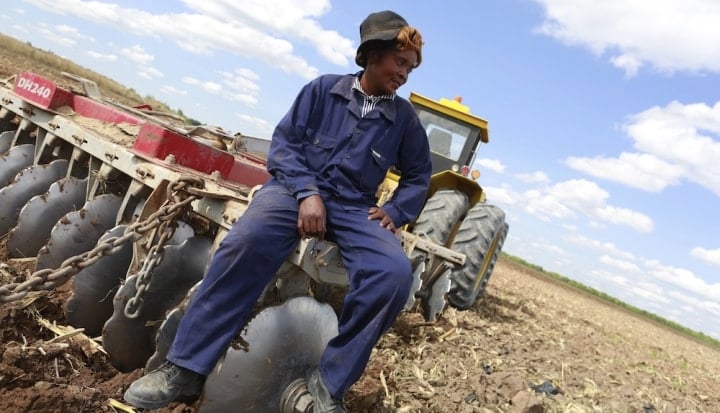
Longstanding traditions and practices relating to gender stereotypes and cultural acquiescence have a particular impact on the livelihoods and career opportunities for women in the communities where farming is often the biggest employer. What’s clear from this Olam survey is that women driving tractors can be meaningful agents for change.
icon-content-article-grey
Cargill and CARE understand the complexity of the interrelated challenges of community development, nutrition, improved livelihoods and women’s empowerment. Here they share the central lesson that they have both absorbed during their decade-long partnership to provide greater opportunity and improve the wellbeing of people in cocoa-growing communities.
icon-content-article-grey
Heifer International and Cargill have partnered to improve nutrition and livelihoods for 100 million people worldwide by 2030 through Hatching Hope, a program supporting sustainable smallholder poultry farming that is currently operating in India, Mexico, Kenya, Colombia and Cambodia.
icon-content-article-grey
A love story turned passion project, this is an article about relationships. We see how a young couple have strived to build an ethical business founded on love. Chocolate and Love is a growing family business that supports equitable trade relationships for the purpose of driving social change from crop to consumer in the world of chocolate.
icon-content-article-grey
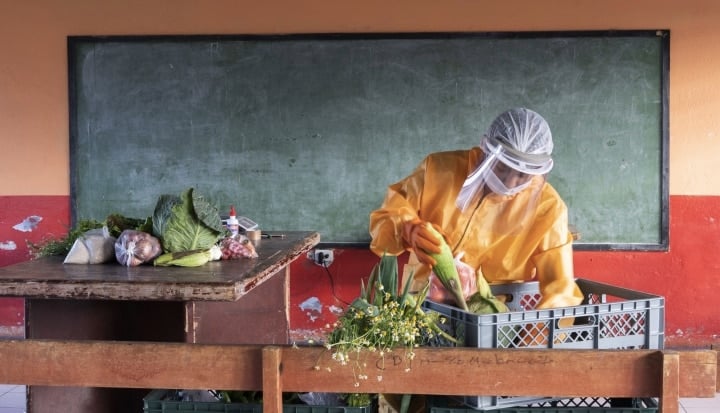
There was no way for small-scale farmers in Ecuador to anticipate the COVID-19 pandemic more than a year ago when they started diversifying the products they grew and mapping efficient paths to get them to hungry urban markets. But when the coronavirus hit the South American nation hard, these farmers found themselves well-prepared to keep homebound customers fed.
icon-content-article-grey
How to develop a social impact strategy for business? Lisa Manley, Global Vice President of Sustainability from Mars shares all.
icon-content-podcast-grey
Inspiring inclusive businesses have invested in their relationships with stakeholders, shared experiences and strengthened public-private partnerships to stay resilient during the Covid-19 pandemic and tackle the needs of low-income communities around the globe in times of crisis.
icon-content-article-grey
Small-scale enterprises are key in helping Maasai communities rise out of poverty. One example of these is beekeeping which brings not only financial benefits but also greater independence and influence for women in a traditionally patriarchal society. With Covid-19 having decimated tourism incomes in southern Kenya and northern Tanzania, diversified livelihoods have never been more important.
icon-content-article-grey
Meet Hanneke Faber. In this interview, Hanneke, who is the President of Foods & Refreshment at Unilever, reveals how they stay global sustainability leaders and why food is broken.
icon-content-podcast-grey
Meet Rudrani Oza. She is senior manager of farm innovations for CottonConnect. Based in India, Rudrani is a gender expert, with over 16 years of experience in the areas of gender, HIV/AIDS, reproductive health, water & sanitation, and children’s rights.
icon-content-podcast-grey
COVID-19 has exposed many of the vulnerabilities in our food system, one of which is just how reliant global supply chains are on people’s well-being at every step of the journey. The small-scale farmers in emerging markets who produce much of the world’s food ingredients, live in countries that face high rates of malnutrition, with many farming households unable to eat healthily themselves.
icon-content-article-grey
Because of pervasive inequalities, women are vulnerable to the lasting economic impacts of the COVID-19 pandemic. This article highlights some of the ways we can strengthen the resilience of women farmers and entrepreneurs during the crisis and aid their post-pandemic recovery.
icon-content-article-grey
The effects of climate change are seriously impacting the lives of cotton farmers, especially women. CottonConnect’s discussions with women cotton farmers in India and Pakistan identified how climate change affects all areas of women’s lives – on the farm, caring for livestock, and in the home – and results in reduced income, time and health.
icon-content-article-grey
As we mark this year’s 16 Days of Activism Against Gender-Based Violence, measures to tackle COVID-19 continue to exacerbate gender inequality worldwide. If we truly want to build back fairer, then businesses, civil society and governments must put women’s rights squarely at the centre of post-pandemic recovery plans, says the Fairtrade Foundation’s Alice Lucas.
icon-content-article-grey
The COVID-19 pandemic is affecting farmers, entrepreneurs, and workers across the globe, but its economic impact on women is particularly severe. How can the private sector, governments, and civil society ensure that women can continue to do business amid the pandemic?
icon-content-article-grey
In October, THIRST organised a discussion to learn from Oxfam’s Juliet Suliwa and COLSIBA’s Adela Torres and Iris Munguia how unions in the Latin American banana sector have been successfully opened up to women, and how Malawian tea unions are starting to do the same. Read more in this article from Sabita Banerji CEO of The International Roundtable for Sustainable Tea
icon-content-article-grey
The coronavirus pandemic has affected food systems around the world, leading to disruptions in production and food supply. Calls to ‘build back better’ and strengthen the resilience of agricultural value chains are now mainstream. Business practices and markets that support regenerative agriculture need to be part of this.
icon-content-article-grey
With a global recession and increasing food insecurity, rural development needs to focus on more than just improving agricultural productivity. Innovative financing is critical to strengthening rural economies in developing countries. Impact investments are particularly suited to address rural inequities in a post-COVID world.
icon-content-article-grey
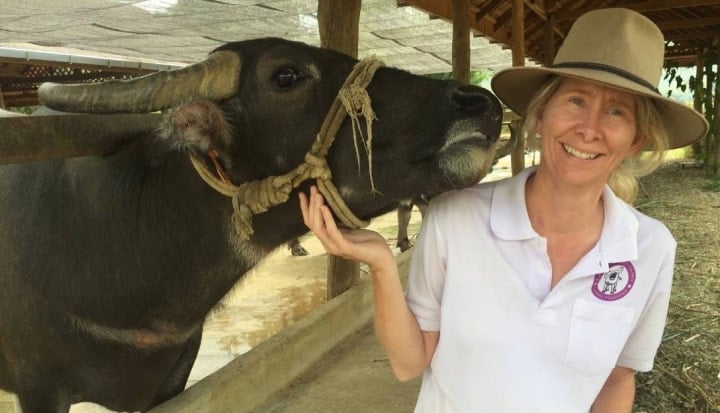
The Business Partnerships Platform creates partnerships between the Australian Government and inclusive businesses for social impact. A partnership in Laos is scaling a commercial buffalo dairy – connecting with small holder farmers and promoting the benefits of buffalo milk. Hear more on the business challenges and COVID-19 pivot from founder and entrepreneur, Susie Martin.
icon-content-article-grey

What do we mean by "Agriculture"?

Discover how sustainable agriculture techniques can reduce poverty by promoting environmental health and increasing food security.

Sub-topics within this category

There are no sub-topics within this Category.