Micro, Small and Medium Enterprises

SMEs Against Global Poverty

This podcast interview hears from Vic Van Vuuren, the Director, of the Enterprises Department at the International Labour Organization (ILO) in Geneva.
icon-content-podcast-grey
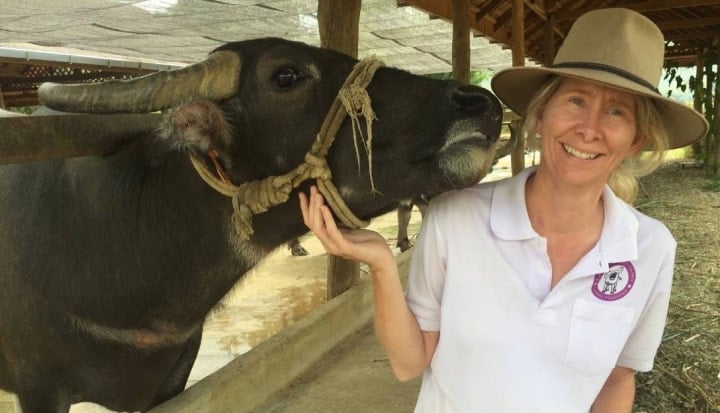
The Business Partnerships Platform creates partnerships between the Australian Government and inclusive businesses for social impact. A partnership in Laos is scaling a commercial buffalo dairy – connecting with small holder farmers and promoting the benefits of buffalo milk. Hear more on the business challenges and COVID-19 pivot from founder and entrepreneur, Susie Martin.
icon-content-article-grey
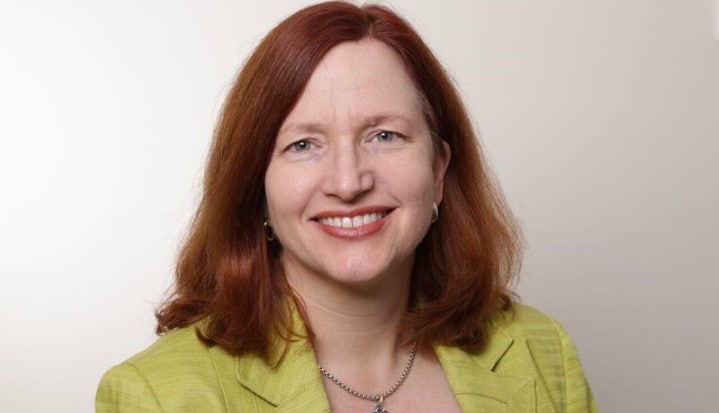
Peg Willingham is the Executive Director of Fairtrade America. Fairtrade’s mission to work with businesses, farmers and workers certifying products as ethically and sustainably sourced is more important than ever. Listen to this podcast to hear Peg share her insights of the compounded effects of COVID-19 on many of the world’s poorest farmers;
icon-content-podcast-grey
As part of Business Fights Poverty NYC Online 2020, Business Fights Poverty and Visa are convening a webinar and online peer discussion to explore how multilateral partnerships can drive digital equity for the most vulnerable.  This article gives a brief insight into the importance of digital equity, and explains how a wide range of organisations can play a part in driving change at a systemic level. 
icon-content-article-grey
As part of Business Fights Poverty NYC Online 2020, Business Fights Poverty and Standard Chartered are convening a webinar and online peer discussion to explore how we can account for, invest in and enhance the value of nature present in supply chains. This article delves into nature’s benefits to international supply chains, and examines one initiative that is seeking to align commercial and environmental imperatives: the ‘Soft Commodities Compact’. 
icon-content-article-grey
The WTO has recently predicted that the economic impacts of the coronavirus pandemic will be disproportionately felt by women, with a ‘pink collar recession’ threatening to roll back the gender equality gains of recent decades.  In the UK, there are indications that women are bearing the brunt of redundancies, mothers are more likely than fathers to have been furloughed, and women have done the greater share of domestic and caring work during lockdown.
icon-content-article-grey
As has been observed in the Business Fights Poverty community, the coronavirus pandemic poses a specific set of threats to women. Whether in the UK or Uganda, there’s growing evidence that the pressures of lockdown and the associated economic downturn will lead to a regression in women’s rights and gender equality.
icon-content-article-grey
Evidence on voluntary sustainability standards effectiveness and impact is strengthening, but little evidence exists on the efficacy of growing numbers of Responsible Business Initiatives (RBIs) which focus on entire corporate sustainability. Some are mature (e.g. corporate codes), others are more recent (e.g. sectoral multi-stakeholder initiatives, supplier capacity strengthening approaches, benchmarking initiatives, mobilizing investors). But quality evidence and rigorous synthesis is generally very thin across the board.
icon-content-article-grey
Among its many impacts, the COVID-19 pandemic has the potential to reverse recent gains to women’s economic empowerment. This article by TechnoServe Gender Director Cristina Manfre presents a strategy to ensure that the global community’s response to the pandemic safeguards against the risks to women’s livelihoods and enables them to help lead the economic recovery.
icon-content-article-grey
The time for treating coronavirus as only or even principally a health crisis is over, says Hand in Hand International CEO Dorothea Arndt. NGOs are urgently refocusing on livelihoods – and they need the business community’s help
icon-content-article-grey
Crowd funding has been a sea change for start-ups, but more work needs to be done to make it accessible to developing world entrepreneurs. In addition, large companies and development charities could do much more to use a small part of their procurement budget to support start-up ecosystems.
icon-content-article-grey
COVID-19 may significantly hinder economic and social development across Africa. If the continent is to recover, then micro-entrepreneurs and SMEs will be the engine of growth. Local businesses will provide livelihoods for millions of people and goods and services to a growing consumer base. At the heart of this business-led recovery will be digital technology; a catalyst for inclusive growth.
icon-content-article-grey
This is the second in a three part series, published in the lead up to Standard Chartered’s Futuremakers Forum online events 2020.  Join the conversation exploring innovative ideas and tangible solutions for financing young entrepreneurs.
icon-content-article-grey
A guide to how business can help micro-, small- and medium sized enterprises to thrive and build high performing value chains in developing markets, through a system-level approach. Co-authored with Endeva. With AB Sugar, Bayer, Small Foundation, Visa Inc and Vitol Foundation.
icon-content-report-grey
A toolkit on how business can help MSMEs respond, recover and rebuild better from the pandemic. With AB InBev, CEMEX, the Corporate Responsibility Initiative, Harvard Kennedy School and UK Aid.
icon-content-report-grey
It is essential that young people are given the opportunity to succeed in any entrepreneurial ventures they undertake. Join the conversation to explore innovative ideas and tangible solutions for financing young entrepreneurs live on 30 July 2020.
icon-content-article-grey
New guide provides insights on how sectors can work together to remove the systemic barriers that stand in the way of MSMEs re-building from the crisis
icon-content-article-grey
In emerging markets, the COVID-19 crisis presents an even greater economic challenge than in the United States. The American economy was the strongest in the world before the crisis. Even now, under widespread stay-at-home orders, US unemployment has risen to only 20%, whereas most emerging market countries started the year with formal unemployment rates well above 20%.
icon-content-article-grey
Join us for an online written discussion with a panel of experts to explore how we can ensure MSMEs thrive post COVID-19. The live
event-grey

What do we mean by "Micro, Small and Medium Enterprises"?

Explore how empowering micro, small, and medium enterprises (SMEs) can drive economic development and reduce poverty by fostering innovation and job creation.

Sub-topics within this category

There are no sub-topics within this Category.