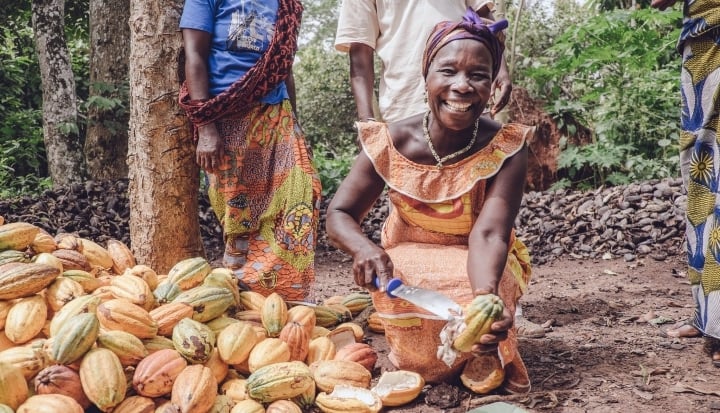
How can we find the right balance between protecting the forests, growing cocoa sustainably and helping the farmers? Darrell High talks about the action plan laid out by Nestle to help end deforestation and restore forests in the cocoa supply chain.
Why is addressing gender-based violence (GBV) a key issue, which should be on the business agenda? Business Fights Poverty’s Challenge Author, Chiara Condi, talks about why eliminating GBV is essential to reaching all other UN Sustainable Development Goals.
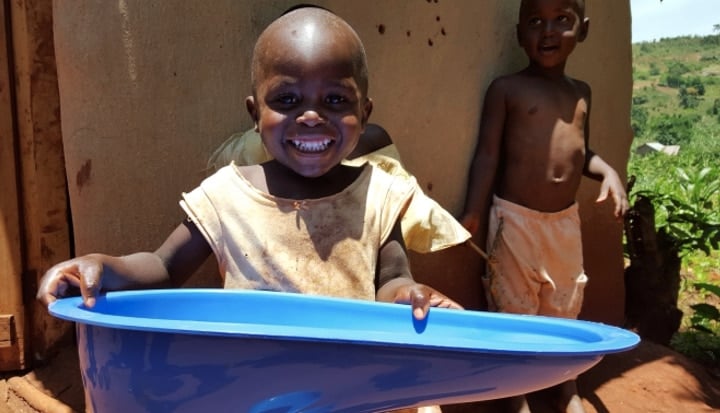
Japan’s maker of water and housing products, LIXIL, has invested in a sustainable social business – SATO – to help bring affordable toilets to those that need them. In 2018, their work on SATO led them to a new partnership, “Make a Splash! Toilets for All” with UNICEF to tackle the global sanitation challenge. How did this partnership evolve and what has been learnt along the way?
The ways in which business can and should be addressing social issues are many and complex. This magazine helps you to navigate the challenges and find out about some of the leading edge thinking and topics across the space.
BRAC microfinance is working with ShopUp – one of Bangladesh’s biggest e-commerce platforms – to deliver innovative financial services. This partnership is piloting a loan product, which utilises an AI credit rating system, for small-scale Facebook-based entrepreneurs in Bangladesh. It is BRAC’s first ever product for the e-commerce sector, and the first of its kind in the microfinance sector in Bangladesh
This year, I’ve been proud to participate as an adviser in a project commissioned by the U.K. Government’s Business Integrity Hub, which has been established to provide practical support for companies to help prevent bribery and corruption when doing business overseas.
“Aid organisations are improving lives with fourth industrial revolution technologies and the indispensable partnership of the corporate world. These efforts are good PR but they are also good business. Even more importantly, they help build a better, more cooperative world” – says Neal Keny-Guyer, CEO of Mercy Corps
Larry Fink’s annual open letter to corporate CEOs is fast-becoming a fixture at the start of the year. Fink’s views matter. They carry weight. He is, after all, the co-founder and now Chairman and CEO of BlackRock – the biggest money-management firm in the world with more than $6 trillion in assets under management
On the milestone of its 10th anniversary, Business Call to Action reflects on how the inclusive business landscape has changed over the past decade, and looks forward to what lies ahead
Business and societal failures have arisen from flawed economic and financial theories, and a skewed, systemic, perspective of purpose and value. A new book argues that we can create a socio-economic system in which all organisations are encouraged and incentivised to generate lasting value for all human stakeholders
BSR has launched a new video that sets out why and how companies should work to drive gender equality in global supply chains, with a focus on how companies can act, enable and influence change.
A new report finds that technology is delivering considerable benefits to the financial inclusion market – but is also creating new risks. Are fintech and financial inclusion perfect partners? Will this marriage last?
Our new report,“Resilience through Refugee-Inclusive Business”, aims to help mobilise more business to support this commitment. This includes a taxonomy of 17 practical business models and a series of in-depth briefs on what it will take to mobilise more business and scale solutions that help refugees thrive, not just survive.
In our latest leader spotlight interview we hear first hand from the inside of the UK’s Department for International Development (DFID). Katie Hyson, Business Fights Poverty’s Director of Thought Leadership, catches up with Laura Kelly, former Team Leader for DFID’s Business Engagement Hub.
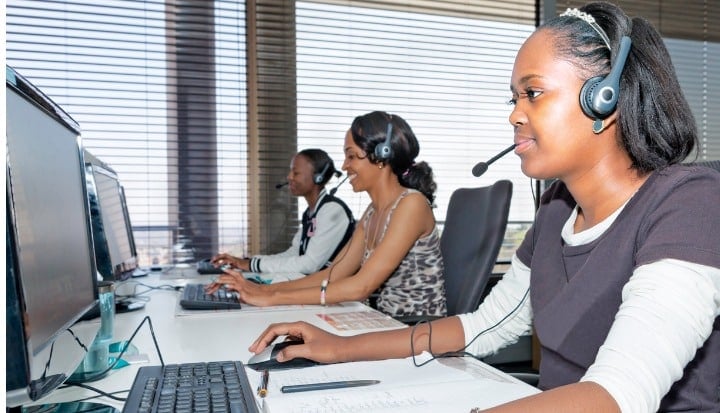
The Impact Sourcing Challenge is the first of its kind to specifically focus on escalating impact sourcing as a way to increase employment and career development opportunities for disadvantaged workers.
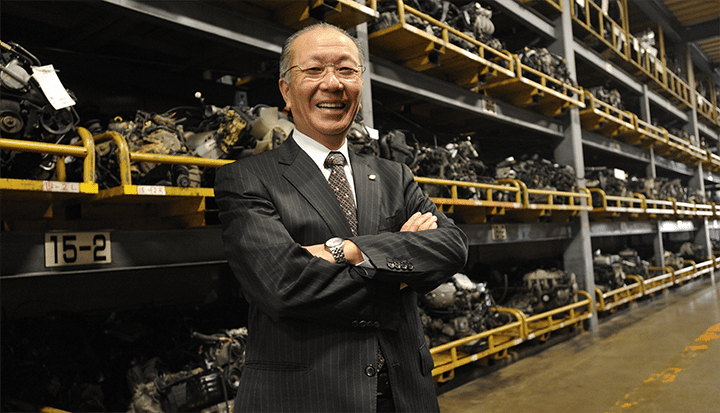
Kaiho Sangyo, a Japanese automobile recycling company, joined Business Call to Action in December 2017 with a pledge to establish an eco-friendly auto recycling value chain in Brazil. As part of this commitment, it will develop the skills of 15,000 recycling engineers and expand 20 existing recycling businesses, including local garages and repair shops.
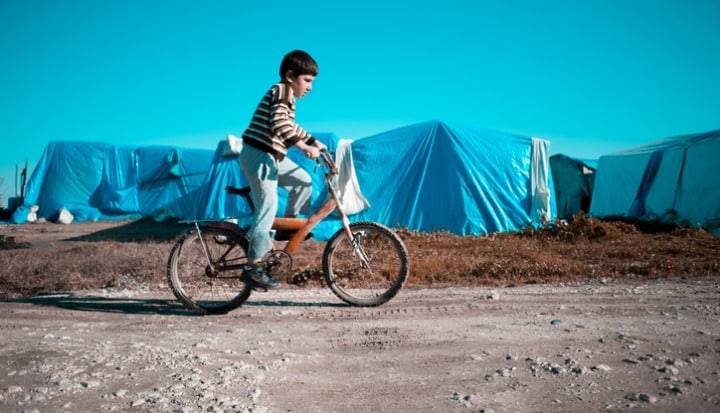
As part of the Business and Refugees Challenge, we have been exploring some of the barriers to mobilizing more business action to support refugees’ resilience in low to middle income countries. In the process, we have uncovered numerous examples of innovative business ideas, ambitious commitments, and genuine efforts to support the needs of refugees.
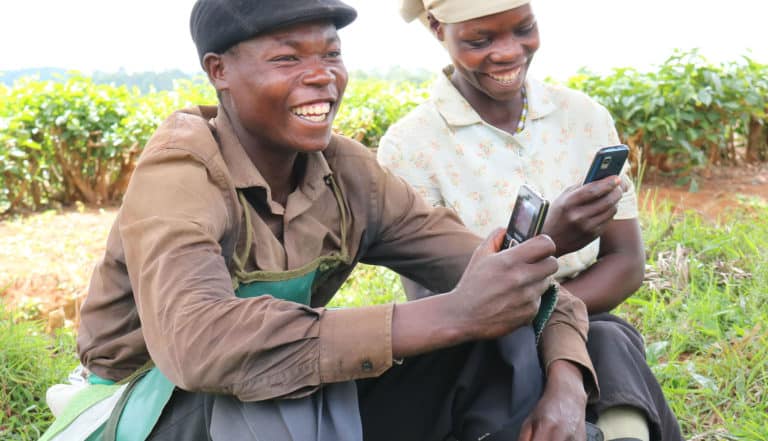
In the second article, introducing you to the experts and topics we’ll be exploring during our Business Fights Poverty, flagship conference in Oxford on 18th July, we introduce you to inclusive distribution, brought to you by BoPInc (& Every1Mobile), Hystra, and Practical Action.
The Better Than Cash Alliance share their new report “The Future of Supply Chains: Why Companies are Digitizing Payments”. Drawing on data and interviews with around 40 companies and organizations, the report shows how digitizing supply chain payments is having a profound impact on global businesses, economies and individuals.