Case Studies

There are limited materials and resources designed specifically for individual entrepreneurs and micro, small and medium enterprises (MSMEs), especially in emerging markets, which address the barriers faced in implementing decent work principles into their businesses. YBI’s new brief shares learning and sets out their recommendations to help young entrepreneurs embed decent work principles into their businesses .
icon-content-article-grey
Before COVID-19, over 700 million people worldwide were living in extreme poverty. The pandemic could push an additional 150 million people into extreme poverty by the end of 2021. People experiencing extreme poverty already have limited access to health care, food, clean water, and public services. They face obstacles in accessing markets, employment opportunities, and financial services, and this inequality has only increased due to pandemic lockdowns.
icon-content-article-grey
Female social entrepreneurs are more likely to change social and cultural norms through their work than their male counterparts, according to Ashoka’s 2018 Global Impact Study. Yet the mainstream idea of what makes a social initiative “successful” excludes the model used by many female entrepreneurs.
icon-content-article-grey
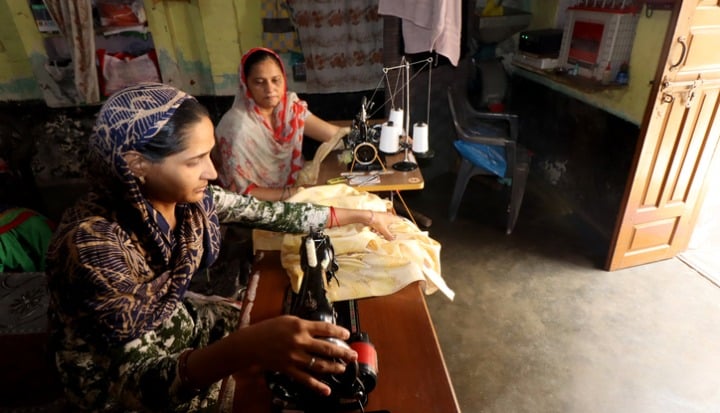
This International Women’s Day, CottonConnect give an insight into a day in their Women in Cotton programme, and the tangible changes that can occur when businesses intentionally choose to put women at the centre of their Rebuild Better strategies.
icon-content-article-grey
The 22 February marked the start of Fairtrade Fortnight, the annual celebration of all things Fairtrade. It’s a time when individuals, companies and groups across the UK come together to share the stories of the people behind our food and products, and explore how trade justice can be part of the solution to the many challenges they face.
icon-content-article-grey
The work of a female farmer begins well before dawn, and continues well after dusk, and yet in terms of empowerment, agency, and ownership, many women farmers are still in the dark. Harmanpreet Singh, Lead – Smallholder Farming for India, Bangladesh & Sri Lanka talks about the evolution of Better Life Farming in India and its positive impact for women smallholder farmers and women agri-entrepreneurs.
icon-content-article-grey
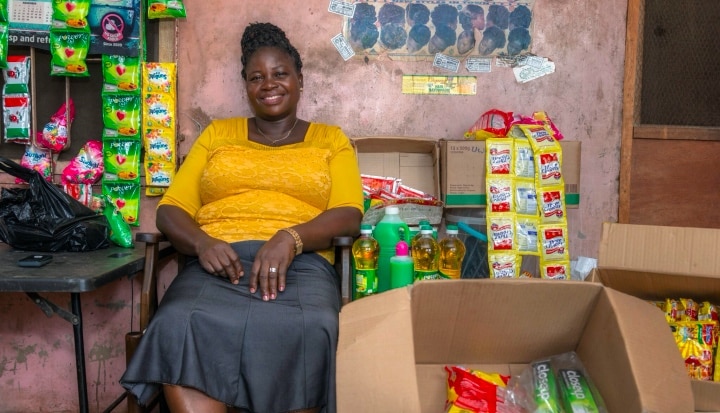
Women business owners have an insatiable desire to succeed, and there is a growing body of research that actually shows that women are better entrepreneurs then men. Whatever the reason, the result is that these women are lifting themselves and their families up out of poverty, and by doing so, providing employment and economic opportunity to others.
icon-content-article-grey
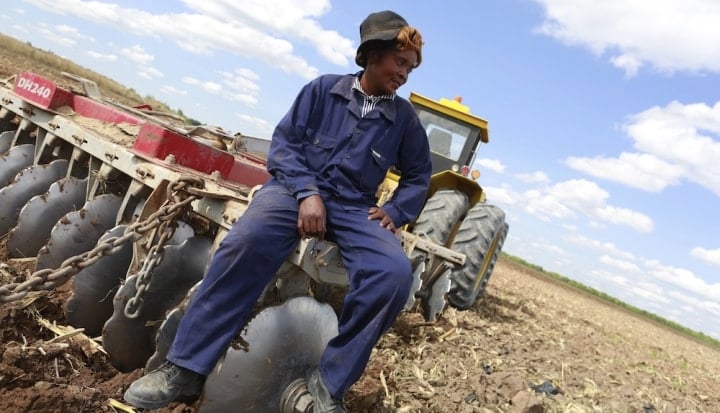
Longstanding traditions and practices relating to gender stereotypes and cultural acquiescence have a particular impact on the livelihoods and career opportunities for women in the communities where farming is often the biggest employer. What’s clear from this Olam survey is that women driving tractors can be meaningful agents for change.
icon-content-article-grey
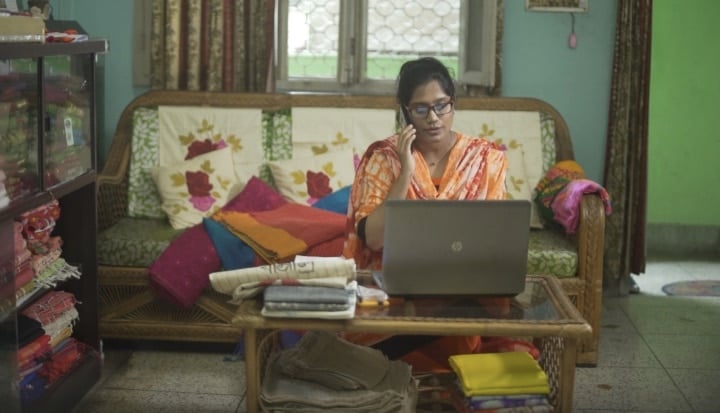
Launching a social enterprise operating between the UK and Bangladesh during a global pandemic is a challenging endeavour. Read about the experience of Laura Rana, Founder of Khushi Kantha (‘Happy Blanket), it shows the power of taking action, as well as some of the challenges that Laura has encountered along the way.
icon-content-article-grey
While the COVID-19 pandemic has brought an unparalleled threat to the survival of small and start-up businesses, it has also brought opportunities for growth and scale. The Transform Survive & Thrive initiative is helping businesses build resilience and self-reliance. They are looking for partners – does your organisation have skills that could help?
icon-content-article-grey
Cargill and CARE understand the complexity of the interrelated challenges of community development, nutrition, improved livelihoods and women’s empowerment. Here they share the central lesson that they have both absorbed during their decade-long partnership to provide greater opportunity and improve the wellbeing of people in cocoa-growing communities.
icon-content-article-grey
COVID-19 has accelerated the pace at which factories across the world are digitizing. Whilst this can sometimes bring benefits for workers, for example in introducing digital wages, digitization poses a risk to the human rights of vulnerable workers who may lack information, power and skills they need at a time of disruption.
icon-content-article-grey
Heifer International and Cargill have partnered to improve nutrition and livelihoods for 100 million people worldwide by 2030 through Hatching Hope, a program supporting sustainable smallholder poultry farming that is currently operating in India, Mexico, Kenya, Colombia and Cambodia.
icon-content-article-grey
A love story turned passion project, this is an article about relationships. We see how a young couple have strived to build an ethical business founded on love. Chocolate and Love is a growing family business that supports equitable trade relationships for the purpose of driving social change from crop to consumer in the world of chocolate.
icon-content-article-grey
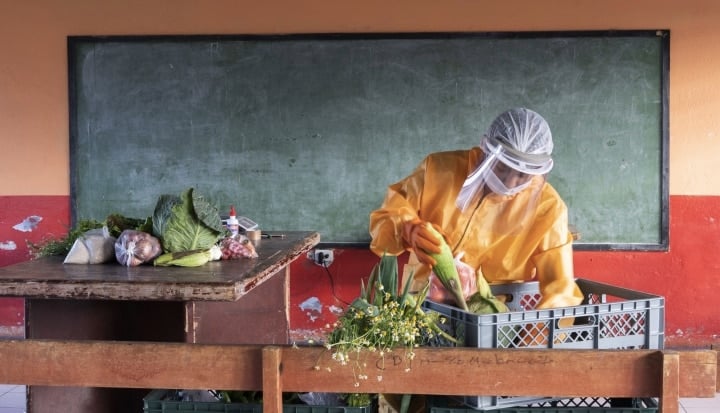
There was no way for small-scale farmers in Ecuador to anticipate the COVID-19 pandemic more than a year ago when they started diversifying the products they grew and mapping efficient paths to get them to hungry urban markets. But when the coronavirus hit the South American nation hard, these farmers found themselves well-prepared to keep homebound customers fed.
icon-content-article-grey
COVID-19 has forced us all to shift our ways of working, to rapidly innovate and adjust; and we have seen the extent to which this applies to primary healthcare workers. Not only the way in which they deliver care but also how these frontline workers are themselves supported and able to learn.
icon-content-article-grey
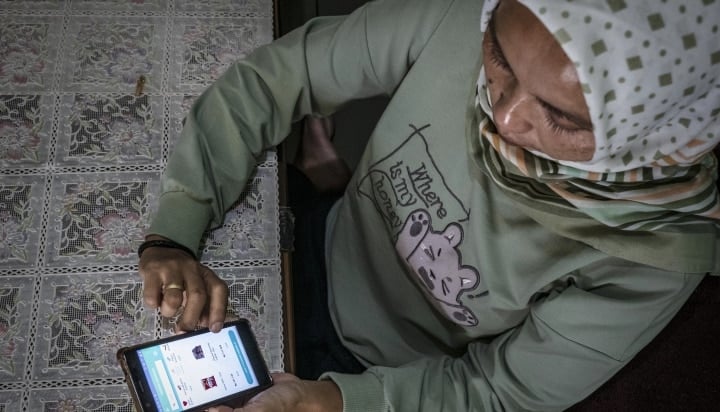
In 2020, the modern economy became synonymous with the digital economy, and the Mastercard Center for Inclusive Growth re-doubled efforts to help MSMEs survive and thrive. Here they share four guiding principles that they will be incorporating into their work in 2021 to help bring about an inclusive and sustainable digital economy that works for everyone, everywhere.
icon-content-article-grey
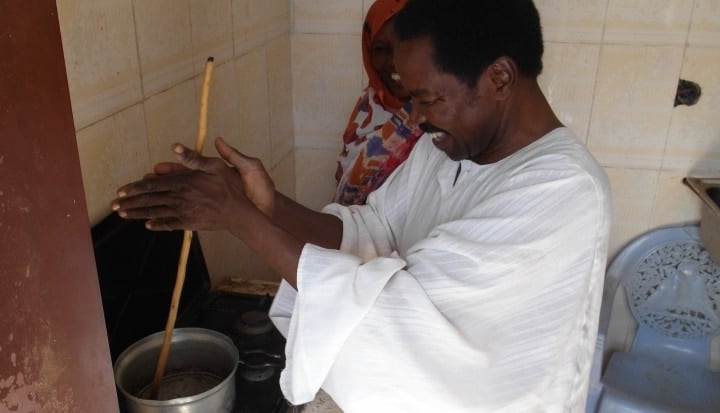
In Darfur, shared knowledge and improved technology is making cooking at home safer and cheaper. Practical Action teamed up with the Women’s Development Association to educate communities and introduce new Liquid Petroleum Gas (LPG) stoves in El Fasher. Reducing carbon emissions and giving thousands of families clean homes, clean lungs and more money to spend on essentials.
icon-content-article-grey
Solutions to the global sanitation crisis can be generated by a multilateral approach, blending the expertise, research and support of the private sector with the focus and structure of the public sector to enable innovative local enterprises to deliver long-term, desirable solutions. This approach is increasingly being implemented, with a number of examples of businesses, enterprises and public sector stakeholders working together to deliver lasting responses to the sanitation crisis.
icon-content-article-grey
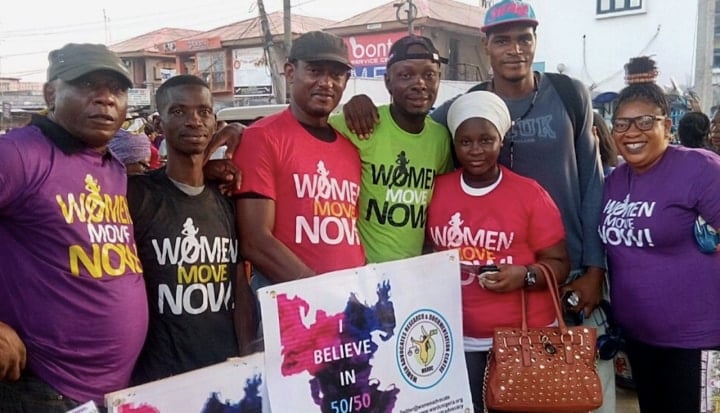
Every1Mobile shares lessons from ‘I Am Purple’, a youth focused Gender empowerment programme using digital platforms to change harmful social norms around gender equality among young men and women in Nigeria.
icon-content-article-grey

What do we mean by "Case Studies"?

Sub-topics within this category

There are no sub-topics within this Category.