As the climate COP29 in Baku concludes without much fanfare, understanding what was really going on is more important than ever. Business Fights Poverty Youth Ambassador, Malkia Johns sits down within the COP and speaks with two women’s health activists, Niona Nakuya and Terry Owino.
In this special episode, we bring you exclusive insights straight from COP29 in Baku, Azerbaijan, with long-time Business Fights Poverty community members, Justin Perrettson and Katarina Kahlmann. As global leaders and changemakers convene to tackle the pressing challenges of climate change, Justin and Katarina share their experiences, expertise, and perspectives from inside the conference.
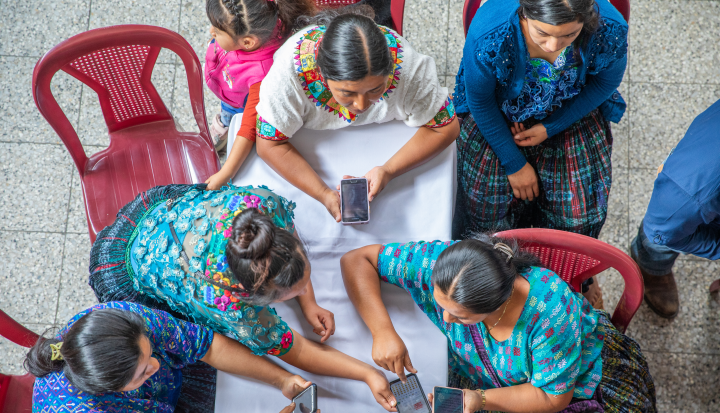
Anticipatory action prepares communities for climate disasters before they strike, saving lives, economic impacts and cutting costs. Learn from Mercy Corps’ pilot projects – leveraging blockchain, remittances, and cash assistance ahead of drought, hurricanes, and floods. With COP29 underway, business leaders have a crucial role in investing in anticipatory action for enhanced climate justice.
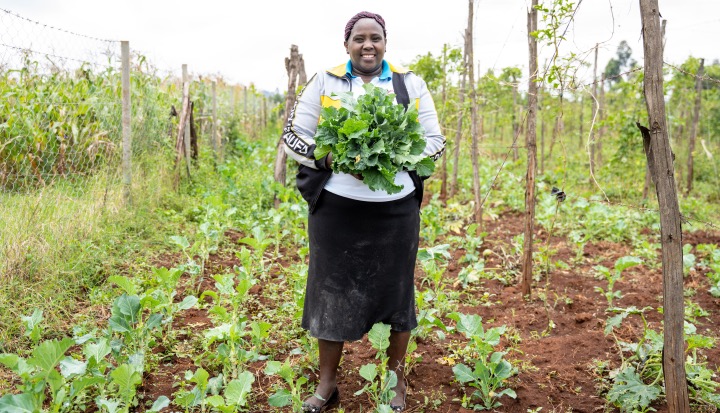
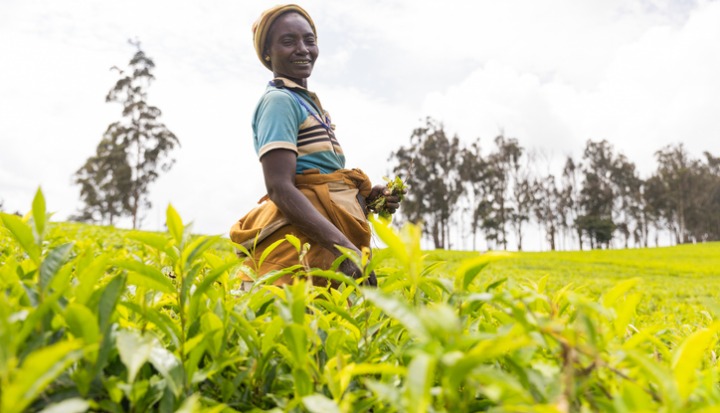
Learn how regenerative agriculture is empowering smallholder farmers to overcome soil degradation and climate challenges. Supported by the IKEA Foundation, this initiative has increased Kenyan farmers’ incomes by 155%, showcasing sustainable farming as a profitable and viable solution. Three experts share insights on expanding this success globally.
A recent study by the Fairtrade Foundation looking into carbon footprints and mitigation opportunities in Fairtrade supply chains has identified five key takeaways for businesses looking to reduce their scope 3 emissions while prioritising producer livelihoods.
Whilst climate negotiators meet in COP29 in Baku, businesses must take action to prevent and mitigate climate impacts on the human rights of workers in their supply chains. As the planet continues to warm, periods of extreme heat are growing in frequency and severity. Effective action depends on collaboration with workers and their representatives.
Climate change disproportionately impacts women, who face increased burdens in food security, resource management, and household resilience. Inclusive leadership is essential for effective climate solutions, with women leading preparedness efforts in disaster-prone regions. Community-driven adaptation plans can yield high returns, empowering women to drive sustainable solutions against climate challenges worldwide.
Global estimates measure a $3-4 trillion investment gap for adequate housing. By shifting resources directly to those in need for housing improvements, the private sector can play a major role in reducing the safety and health risks traditionally associated with informality in order to protect lives, assets, and wellbeing.
The Business Fights Poverty Climate Justice Series will run alongside COP29 in November 2024, featuring this forum on 21 November 2024, as well as articles and podcasts to mark the occasion. This forum provides an opportunity to connect with peers and global advocates to explore how we can prioritize people in climate change strategies and actions. It combines an online written discussion with a parallel community networking event on Zoom
Integrating gender equity into the Voluntary Carbon Market (VCM) is crucial for ensuring both environmental and social sustainability. Carbon credit projects that empower women, particularly in developing regions, achieve better and more lasting climate outcomes with the potential to meet multiple Sustainable Development Goals (SDGs). By prioritising gender, businesses can strengthen project integrity and contribute to lasting community resilience.
Youth Business International (YBI) introduces its Youth Entrepreneurship Framework, developed with the Global Entrepreneurship Network. This comprehensive guide offers actionable strategies to support young entrepreneurs, focusing on green and social ventures. It provides 50 recommendations to help overcome common entrepreneurial challenges and promote sustainable, impactful businesses among the youth.
Ahead of International Women’s Day, the Global Equity Summit—our flagship gathering of leaders from business, civil society, and government took place on 5th and
As business and government leaders gathered in Davos, we brought together our global community to discuss the most pressing challenges and exciting opportunities as
The Business Fights Poverty Climate Justice Series ran alongside COP29 featuring a Community Forum discussion, as well as articles and podcasts to mark the occasion.
As the world accelerates towards a low-carbon future, the mining sector is crucial in providing the metals and minerals essential for green technologies. However,
Engaging young people, women and diverse stakeholders in climate action is crucial for achieving sustainable and equitable solutions to global challenges. During a Fireside
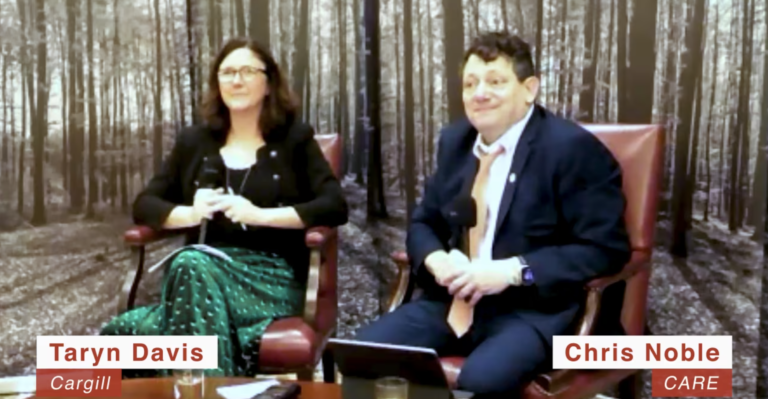
Watch this fireside chat with Cargill and CARE on how to help farmers and communities adapt to and mitigate climate change shocks and other impacts. Together
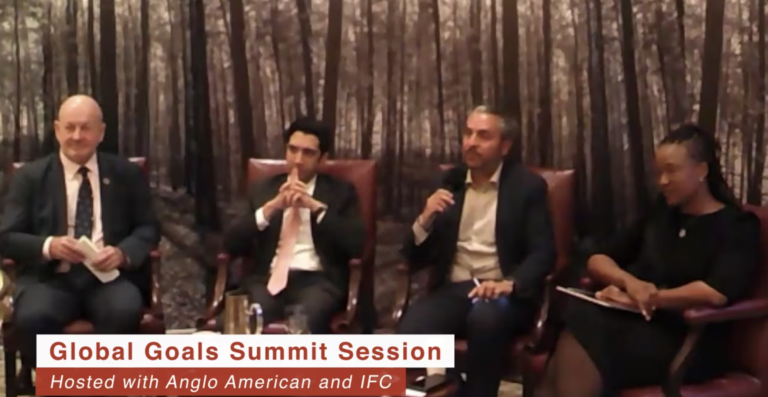
Watch this Hybrid Workshop with Anglo American and IFC (a member of the World Bank Group) on behalf of the WBG Climate Smart Mining initiative, to explore