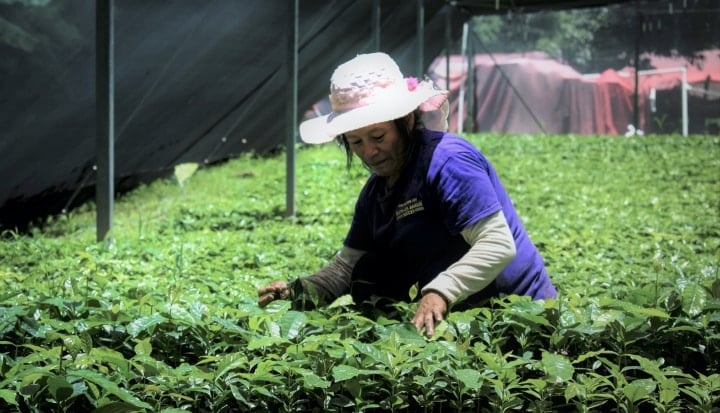
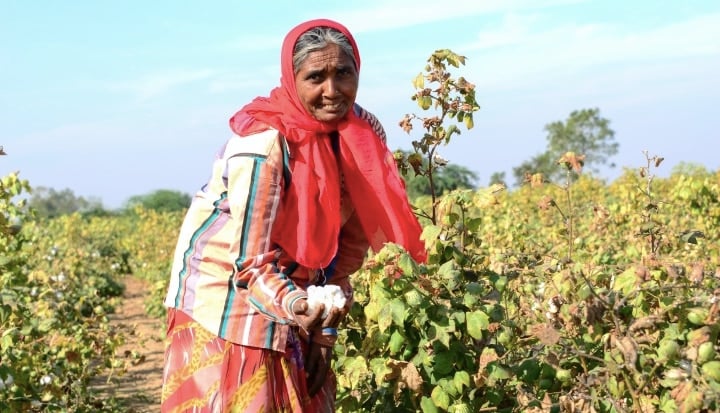
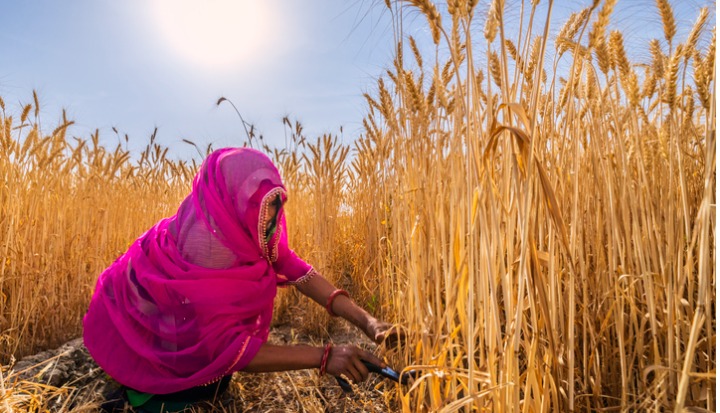
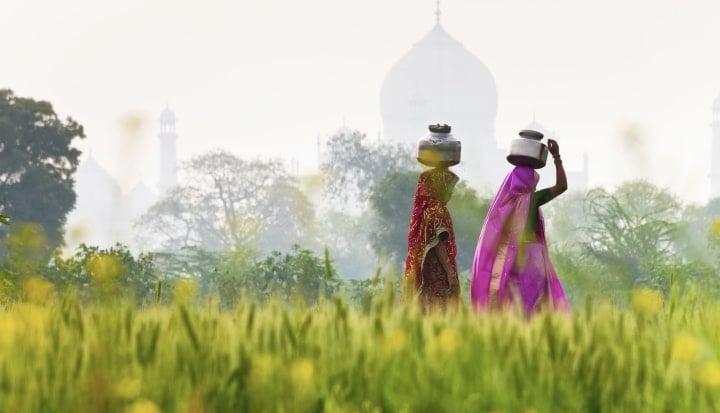
A summary of an online discussion about how business and their partners can recognise, value, and enhance the contributions of the “hidden women” in global smallholder value chains, on whom our global food supply systems depend. With Unilever and Oxfam GB.
Globally, women farmers struggle to access land, credit, and training and bear a heavy double burden of farm and household responsibilities. These gender inequalities pose a serious risk to women farmers in the face of climate change.
CottonConnect’s understanding of the effect of climate change on cotton farmers led to its people-centred approach as it works to create climate resilient farming communities, who can respond to the challenges to their farms and livelihoods through training, technology and adapted crop planning.
Sheila Senathirajah, innovations senior manager at ISEAL, discusses the concept of a living income, the role of measurement, and the importance of inclusive approaches in addressing the root causes of poverty.
If you are interested in understanding more on women’s empowerment; sustainable coffee or what it takes to lead impact in business this podcast is for you.
Join us for this live written panel discussion on Enhancing the Livelihoods of ‘Hidden Women’ in Global Smallholder Value Chains. This event is part of the Business Fights Poverty Global Summit. Taking place on Wednesday 23 June 2021, 9.30-10.30AM EDT / 2.30-3.30PM BST
At a time of global economic downturn, when record numbers of women have lost their jobs and with more women than ever having to juggle paid work and unpaid care responsibilities, taking action to support these women and recognise their work has never been more urgent.
The COVID-19 pandemic has created enormous economic challenges across Latin America, Africa, and South Asia. TechnoServe’s new report tracks the changes to the livelihoods of farmers and entrepreneurs over the past year and highlights the private sector’s role in helping them navigate the crisis.
When the COVID-19 pandemic struck, global supply chains were hit hard, affecting millions of workers across the globe. In the Kenyan floriculture sector, the subsequent 25-40% air freight reduction has meant lower export rates, a supply slowdown, and loss of jobs for thousands.
Greater food sovereignty in Haiti would support local farmers and reduce the risk of hunger crises in the future. A growing network of organizations is pushing Haiti in that direction, allowing more Haitian farmers to support their own families while getting food to those most in need. Acceso Haiti is part of that expanding ecosystem.
Climate change has made farming in Nepal even more difficult, with unpredictable weather and rapidly shifting conditions resulting in failed crops and wasted labour. It doesn’t have to be this way, and big change is possible, even in the face of the challenges the shifting climate presents.
As the world marked the anniversary of the COVID-19 pandemic, Business Fights Poverty launched its new programme on Climate Justice. As well as becoming environmentally sustainable, climate justice demands that equity and inclusion are front-and-centre in efforts to tackle the climate emergency. The content shared by our community this fortnight provides insights into work already underway.
These numbers show that when entrepreneurs receive support, they can innovate, adapt, and overcome enormous obstacles. But there are millions of entrepreneurs in the world, still facing down the prospect of losing their business amid the lingering crisis. Civil society, government, and the private must work together to reach these women and men.
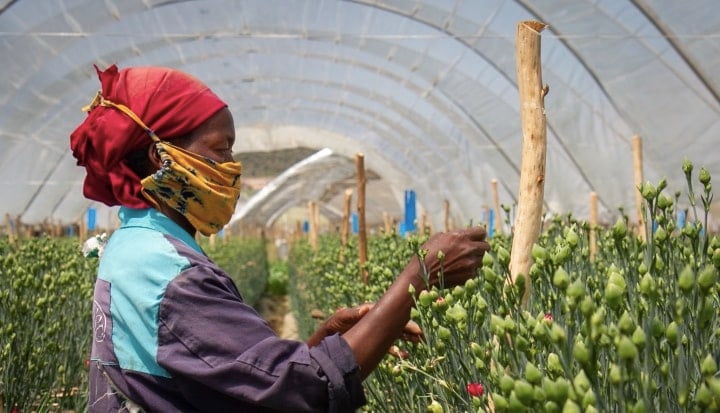
The flower and plant industry must move towards achieving living wages for underpaid horticultural workers in low-income countries and must support efforts to improve the rights of workers, so they can begin to build resilience to crises such as Covid-19, says the Fairtrade Foundation.
Join this live written discussion in our private LinkedIn Group, as part of our Rebuild Better Gender Summit. This discussion will take place on 11 March 3.30 – 4.30 PM GMT / 10.30 – 11.30 AM EST
Regenerative agriculture is an opportunity to create positive environmental outcomes through agriculture while supporting farmers’ livelihoods and achieving truly sustainable financial returns. A shift to regenerative agriculture is the way forward, and it requires a fundamental transformation of our agriculture system, from one focused exclusively on maximizing yield and efficiency to one that pursues economic, environmental and social outcomes.
Business Partnerships for Global Goals (BP4GG) is a UK Foreign, Commonwealth and Development Office programme which invests in partnerships with businesses to test and scale shared value initiatives that support achieving the SDGs.
This International Women’s Day, CottonConnect give an insight into a day in their Women in Cotton programme, and the tangible changes that can occur when businesses intentionally choose to put women at the centre of their Rebuild Better strategies.
The 22 February marked the start of Fairtrade Fortnight, the annual celebration of all things Fairtrade. It’s a time when individuals, companies and groups across the UK come together to share the stories of the people behind our food and products, and explore how trade justice can be part of the solution to the many challenges they face.
In this seminar video Esther Ngumbi, Assistant Professor of Entomology and African American Studies at the University of Illinois, discusses the critical challenges that women smallholder farmers face to establish and develop their business