Young green and social entrepreneurs are vital to achieving the Sustainable Development Goals, but face barriers like funding gaps, market challenges, and regulatory hurdles. Youth Business International (YBI) and Development Solutions urge governments, financial institutions, and stakeholders to prioritize investment, legal support, and training to empower these innovators.

As a contentious COP29 wraps up in Azerbaijan, the eyes of the climate community turn to Brazil and COP30. In this article, TechnoServe’s Tony Siantonas and Katarina Kahlmann lay out five priorities to ensure that next year’s climate conference delivers the breakthrough that smallholder farmers need.
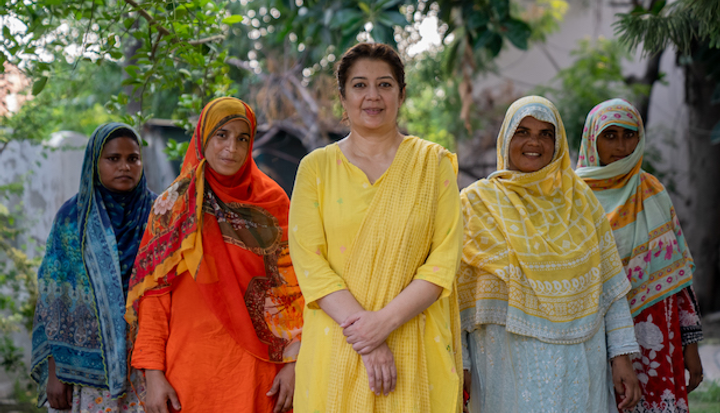
Who comes to mind when you imagine a confident entrepreneur? A Silicon Valley tech bro or navy-suited executive in a Western business hub, most likely. But zoom out to the Global Majority and you’ll see something incredibly powerful and systemically ignored: women entrepreneurs leading sustainable businesses with exceeding vision and drive.
A recent study by the Fairtrade Foundation looking into carbon footprints and mitigation opportunities in Fairtrade supply chains has identified five key takeaways for businesses looking to reduce their scope 3 emissions while prioritising producer livelihoods.
A new white paper from Heifer International and Fairfood International outlines a strategy to help suppliers and companies ensure farmers in commodity supply chains receive sustainable, living incomes. The paper details two open-source methodologies for determining actual production costs and efficiency for more transparent pricing and sustainability.
In an era where small and medium enterprises (SMEs) are the backbone of global economies, empowering them within supply chains is crucial for sustainable
Watch the Hybrid Workshop with Walmart to deep dive into strengthening the ecosystem to unlock the potential of small and medium businesses in the supply
It is well established that women and girls experience poverty in greater numbers than men and boys. This “feminization” of poverty presents itself in many forms, with women worse off when it comes to access to credit, land ownership and the impacts of climate change. But rather than seeing women as victims, a growing movement within the international development sector recognises them as the key to change.
Global supply chains have historically sidelined Mexican Smallholder farmers but they are now at the forefront of an agricultural transformation. Discover how a unique partnership between multinational buyers and local farmers is steering the adoption of regenerative practices that enhance food security and promote environmentally positive practices.
Gender equality is financially and morally good for big business. But what about SMEs, which are the engines of economic growth in countries of the global majority? To address this, USAID’s Feed the Future Market Systems and Partnerships (MSP) Activity tested the Women-Inclusive Return on Investment (WI-ROI) framework, generating valuable ROI insights.
Youth entrepreneurship in sub-Saharan Africa is a powerful driver of economic growth and societal change. Yet, financial barriers hinder young entrepreneurs, especially women, from expanding their businesses. Innovative financing solutions are urgently needed to support this vibrant informal sector. Discover how targeted initiatives can empower the next generation of African entrepreneurs.
Celebrate the Fairtrade Foundation’s 30th Anniversary and explore its impact on global trade. Fairtrade supports over 2 million farmers and workers, addresses climate change challenges, and promotes fair wages. Discover consumer power in transforming trade systems and ensuring sustainable futures for beloved products like coffee.
To commemorate this MSME Day, Sarah Hewitt of Strive Women, delves into how small businesses, particularly those led by women, drive community growth, innovation, and economic resilience, despite facing significant barriers. Discover inspiring stories and strategies to support women-led enterprises and promote inclusive growth.
Exploring the practical challenges of utilising business strategies to fight poverty in developing countries, this article delves into investor interests, innovation trends, donor support, and the impact investment landscape. Join the discussion on aligning goals with ground realities to maximise social impact.
It’s been 20 years since C.K. Prahalad popularized the Base of the Pyramid concept, targeting the 3 billion people living on less than $2.5 a day. Despite numerous ventures and educational focus, comprehensive long-term outcomes remain unclear. This series of articles examines BoP successes, challenges, and the need for strategic resource allocation in impact investing.
What do we mean by "Micro, Small and Medium Enterprises"?
Explore how empowering micro, small, and medium enterprises (SMEs) can drive economic development and reduce poverty by fostering innovation and job creation.