Sustainable Development

Advancing the Sustainable Development Goals

Circularity has become a trending topic in the business world in recent years. Earlier this year, 50 CEOS signed a letter to the Financial Times where they committed to accelerating their company’s transition to a more circular one, however companies still have a long way to go when it comes tracking progress in circularity.
icon-content-article-grey
Unlocking an economic boost by investing in renewable energy can be a pillar of the COVID-19 recovery, but will require significant work to align actors across the sector. Read more in this article, the second in a series on Renewable energy investments, from the Clinton Global Initiative and Resilience Capital Ventures.
icon-content-article-grey
The coronavirus pandemic has affected food systems around the world, leading to disruptions in production and food supply. Calls to ‘build back better’ and strengthen the resilience of agricultural value chains are now mainstream. Business practices and markets that support regenerative agriculture need to be part of this.
icon-content-article-grey
The growing renewable energy sector offers a significant opportunity for advancing green recovery and economic diversification in the Caribbean. The disruption occasioned by the pandemic could be a kickstart to speed up these shifts. Read more in this article, the first in a series on Renewable energy investments, from the Clinton Global Initiative and Resilience Capital Ventures.
icon-content-article-grey
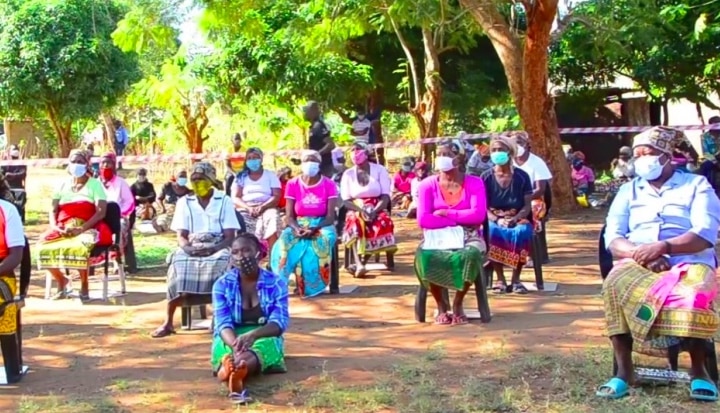
In the wake of the outbreak of the novel corona virus and realizing the need to disseminate information about the spread and prevention of COVID19 and other health-related issues, the Community Tablet initiative, with support received from the United Nations Industrial Development Organization (UNIDO) and the Global Environment Facility (GEF), is conducting digital campaigns in communities that are otherwise excluded from digital information.
icon-content-article-grey
With a global recession and increasing food insecurity, rural development needs to focus on more than just improving agricultural productivity. Innovative financing is critical to strengthening rural economies in developing countries. Impact investments are particularly suited to address rural inequities in a post-COVID world.
icon-content-article-grey
As the world continues to produce, buy, and discard newer and more advanced electronic devices and appliances, countries are also facing the growing problem of what do with the waste generated when these products are discarded. If not properly processed, this e-waste (also known as waste electrical and electronic equipment or WEEE), poses a serious threat to the environment and to public health, especially in developing countries where e-waste is often shipped.
icon-content-article-grey
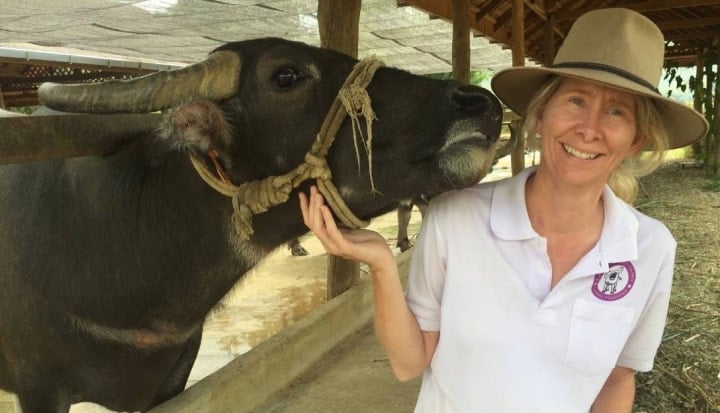
The Business Partnerships Platform creates partnerships between the Australian Government and inclusive businesses for social impact. A partnership in Laos is scaling a commercial buffalo dairy – connecting with small holder farmers and promoting the benefits of buffalo milk. Hear more on the business challenges and COVID-19 pivot from founder and entrepreneur, Susie Martin.
icon-content-article-grey
While calls to ‘build back better’ from COVID-19 are now reverberating across parliamentary halls and board rooms the world over, for many decision makers the question is: how? Involving and investing in small enterprises is part of the answer.
icon-content-article-grey
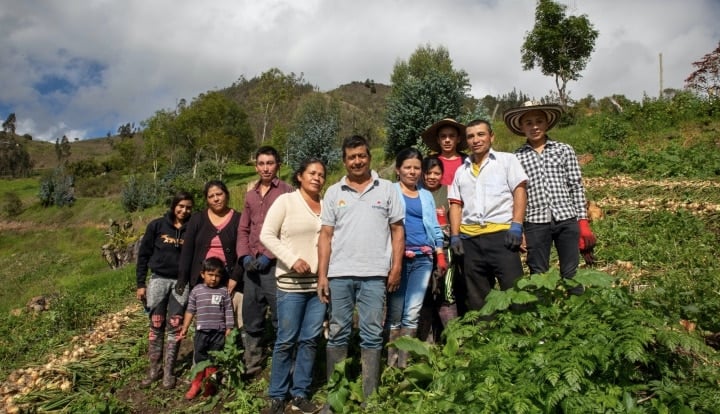
We have seen during Covid-19 the importance of strengthening value chains so they can withstand external shocks and market volatility in the long term. James Jenkins share recommendations for businesses embarking on sustainable sourcing projects in developing countries so they can truly achieve impact for farming communities, in addition to commercial and sustainability goals.
icon-content-article-grey
Members of the Business Fights Poverty network share their insights through a series of “how-to” videos on the themes of Business Fights Poverty NYC Online 2020. In this video Cristianne Close, Global Practice Leader, Markets, at WWF looks at how companies can ensure they have a positive relationship with nature and at the same time help to address other problems like poverty
icon-content-article-grey
Peg Willingham is the Executive Director of Fairtrade America. Fairtrade’s mission to work with businesses, farmers and workers certifying products as ethically and sustainably sourced is more important than ever. Listen to this podcast to hear Peg share her insights of the compounded effects of COVID-19 on many of the world’s poorest farmers;
icon-content-podcast-grey
From Europe to the US and beyond, coronavirus exposed huge vulnerabilities in systems worldwide. Nowhere was the damage more keenly felt than in developing countries, where incomes disappeared, savings soon followed, and food security cratered seemingly overnight. The livelihoods that Covid-19 broke so quickly will take years to rebuild, just as they did the first time. Given how readily they crumbled, can we afford the build them back the same?
icon-content-article-grey
As part of Business Fights Poverty NYC Online 2020, Mars, AB InBev, Oxfam and UNDP will share insights from their establishment of The Farmer Income Lab, a collaborative “think-do-tank”, that aims to ask the right questions, create solutions and inspire action to build global supply chains that work for farmers and for business. This article provides an introduction to the founding and initial insights of the Farmer Income Lab, which will be further explored in the online session.
icon-content-article-grey
As part of Business Fights Poverty NYC Online 2020, Business Fights Poverty and Standard Chartered are convening a webinar and online peer discussion to explore how we can account for, invest in and enhance the value of nature present in supply chains. This article delves into nature’s benefits to international supply chains, and examines one initiative that is seeking to align commercial and environmental imperatives: the ‘Soft Commodities Compact’. 
icon-content-article-grey
Not only has the Covid-19 pandemic affected our health and personal lives, it has also and continues to, fundamentally challenge our political, social, and economic norms. Most notably it has impacted how many of us think about tackling the big issues like climate change. In this article we will talk about the similarities and differences in tackling this big issue. We will also discuss how, as we continue to emerge out of lockdown, we need to start to re-tool in order to build back better, rather than simply restarting the engines again.
icon-content-article-grey
Today, 91% of the world’s population inhabits places where air quality fails to meet World Health Organisation (WHO) guidelines. The COVID-19 pandemic has heightened awareness surrounding the costs of air pollution, while global lockdowns have improved air quality temporarily. With WHO air quality guidelines set to be updated this year, a new report by Barclays Research analysts explores the actions required to effect long-term change in the air we breathe and the associated investment opportunities.
icon-content-article-grey
Following the panel discussion on Cross-Sector Collaboration at Business Fights Poverty Online 2020, the Global Agribusiness Alliance at WBCSD and the International Council on Mining and Metals share some reflections.
icon-content-article-grey
Evidence on voluntary sustainability standards effectiveness and impact is strengthening, but little evidence exists on the efficacy of growing numbers of Responsible Business Initiatives (RBIs) which focus on entire corporate sustainability. Some are mature (e.g. corporate codes), others are more recent (e.g. sectoral multi-stakeholder initiatives, supplier capacity strengthening approaches, benchmarking initiatives, mobilizing investors). But quality evidence and rigorous synthesis is generally very thin across the board.
icon-content-article-grey
Mobile payment systems, artificial intelligence, blockchain—such digital innovations have exploded in the last few years, and with good reason. Their capacity to harness vast amounts of data means they can improve transparency and decision-making for all kinds of industries—not least of all, for food production.
icon-content-article-grey

What do we mean by "Sustainable Development"?

Join us in advancing the Sustainable Development Goals to combat poverty through innovative and scalable solutions that drive global progress.

Sub-topics within this category